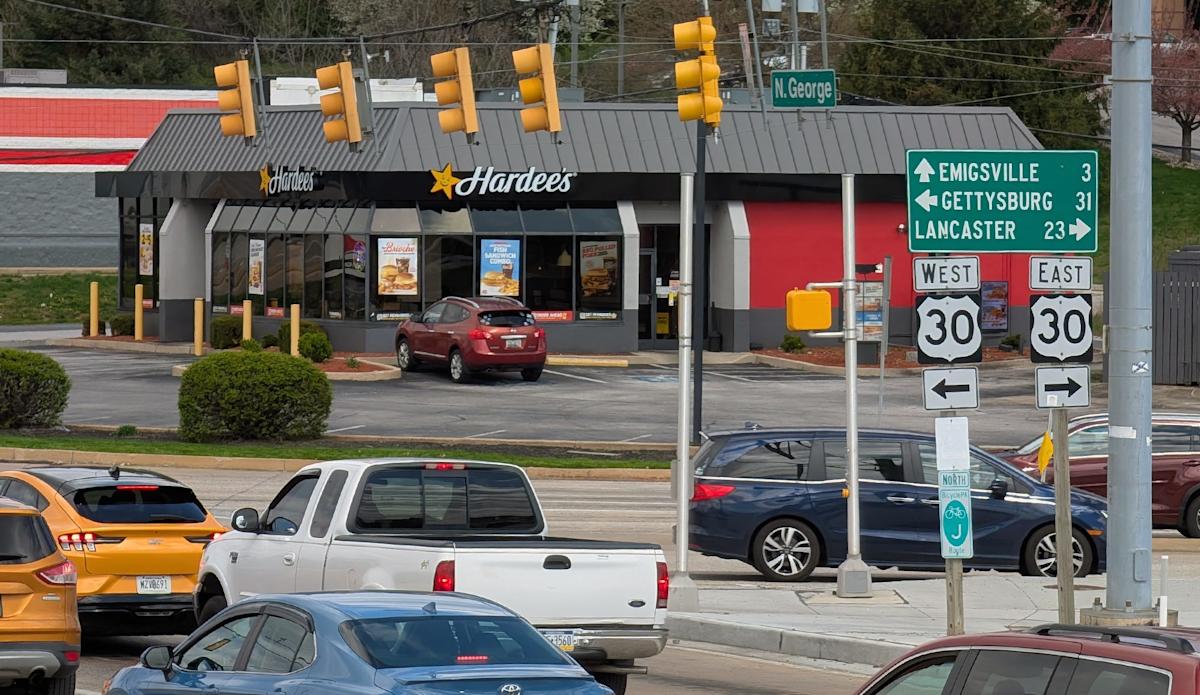
Hardee’s Reverses Planned York County Closure Amidst Evolving Franchise Strategy
A Hardee’s restaurant in Manchester Township, York County, initially slated for closure by the end of April, will now extend its operations into the summer. This strategic reversal impacts local employment and consumer access, indicating a potential re-evaluation of site-specific viability or localized market engagement.
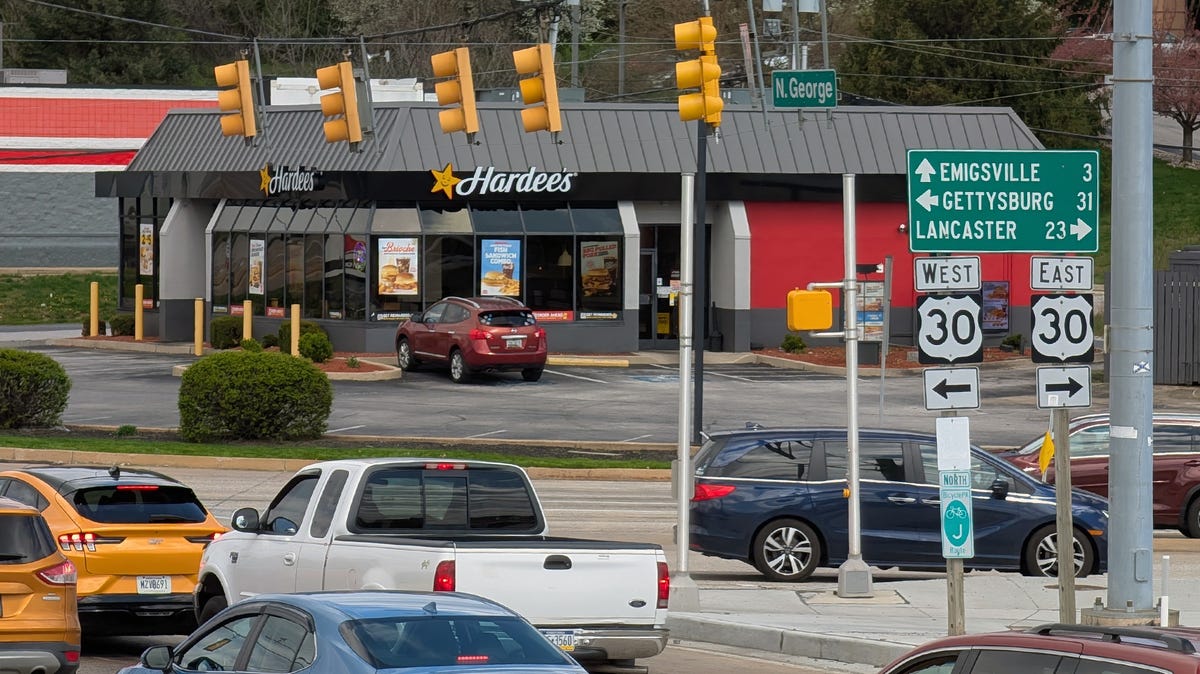
A company spokeswoman confirmed the extended operational timeline for the Route 30 and North George Street location. This decision follows the permanent closure of another local Hardee’s outlet in the Dallastown area, which ceased operations on April 9. The contrasting outcomes for these two locations suggest a site-by-site assessment rather than a uniform regional strategy, driven by a complex interplay of corporate directives, franchisee performance, lease agreements, and localized market demand.
The company acknowledged the inconvenience and misunderstanding caused by the shifting closure timelines, offering apologies to guests, the local franchisee, and team members. This statement underscores the direct stakeholder impact of such operational decisions and the necessity of clear communication in managing brand perception. While the Dallastown location’s permanent shuttering signifies a definitive market exit, potentially due to factors like declining foot traffic or underperformance, the Manchester Township reversal points to a dynamic operational environment.
The initial announcement of the Manchester Township location’s impending closure gained significant traction on social media, amplifying community sentiment and highlighting the brand’s local embeddedness. The reversal suggests that external pressures, possibly including community feedback, or an internal reassessment of financial metrics influenced the decision. This scenario points to the company’s flexibility in adapting initial strategic plans based on real-time market feedback.
The extended operational window for the Manchester Township Hardee’s could serve multiple purposes: a strategic maneuver to capitalize on seasonal demand, an opportunity for a more orderly wind-down if a future closure is still contemplated, or a genuine effort to stabilize operations and explore renewed profitability. The decision may also be influenced by the performance of specific offerings, such as breakfast, which can sometimes be a catalyst for customer interest and impact location viability.
These localized adjustments are critical components of Hardee’s broader strategy to optimize its national presence and ensure brand resilience amidst the competitive pressures of the fast-food sector. The evolving consumer preferences, economic conditions, and the operational realities of a geographically dispersed franchise network necessitate continuous adaptation. The ability to pivot on closure decisions demonstrates a degree of flexibility in strategic resource deployment, reflecting the ongoing recalibration of brick-and-mortar retail footprints in the face of changing market dynamics.
The permanent closure of the Dallastown restaurant represents a tangible loss of a local employer and a consumer touchpoint, potentially altering the local competitive landscape. Conversely, the continued operation of the Manchester Township location maintains a degree of economic stability for those directly and indirectly associated with the establishment, impacting local supply chains and the broader consumer landscape.
The role of local media, such as the York Daily Record, in disseminating information and facilitating public discourse is also evident. Their reporting likely contributed to widespread awareness of the closure and subsequent public reaction, influencing the company’s communication and decision-making process. Ultimately, the situation reflects the intricate balance fast-food brands must strike between corporate objectives, franchisee success, and sustained community engagement.