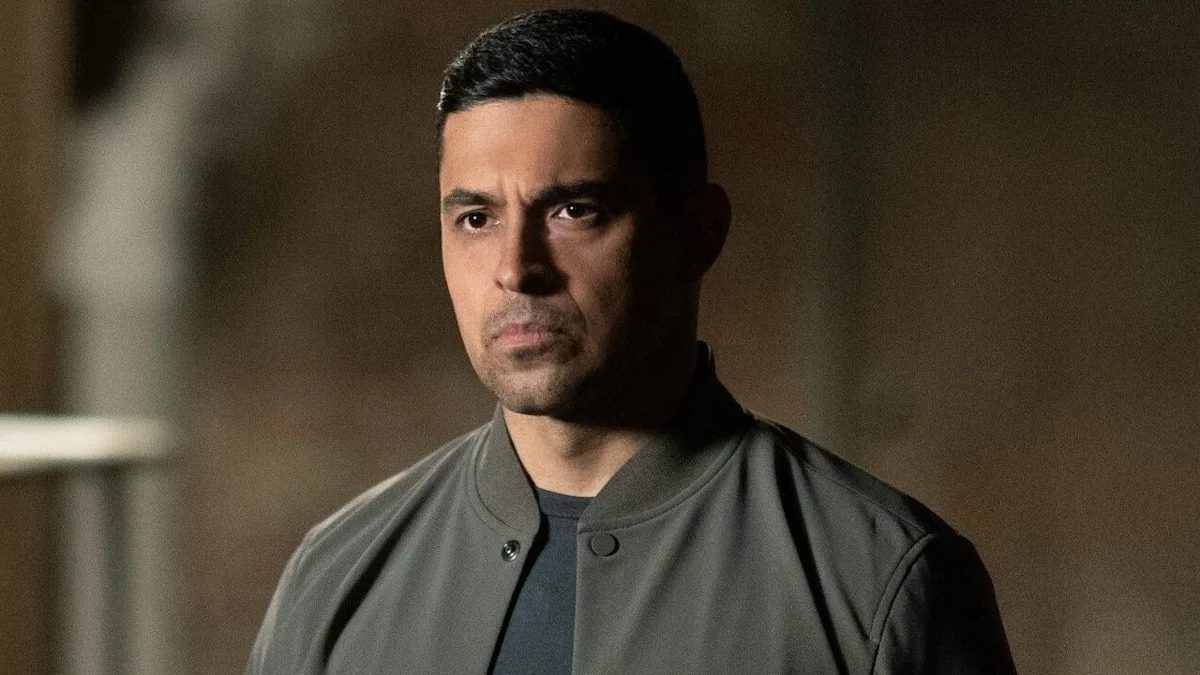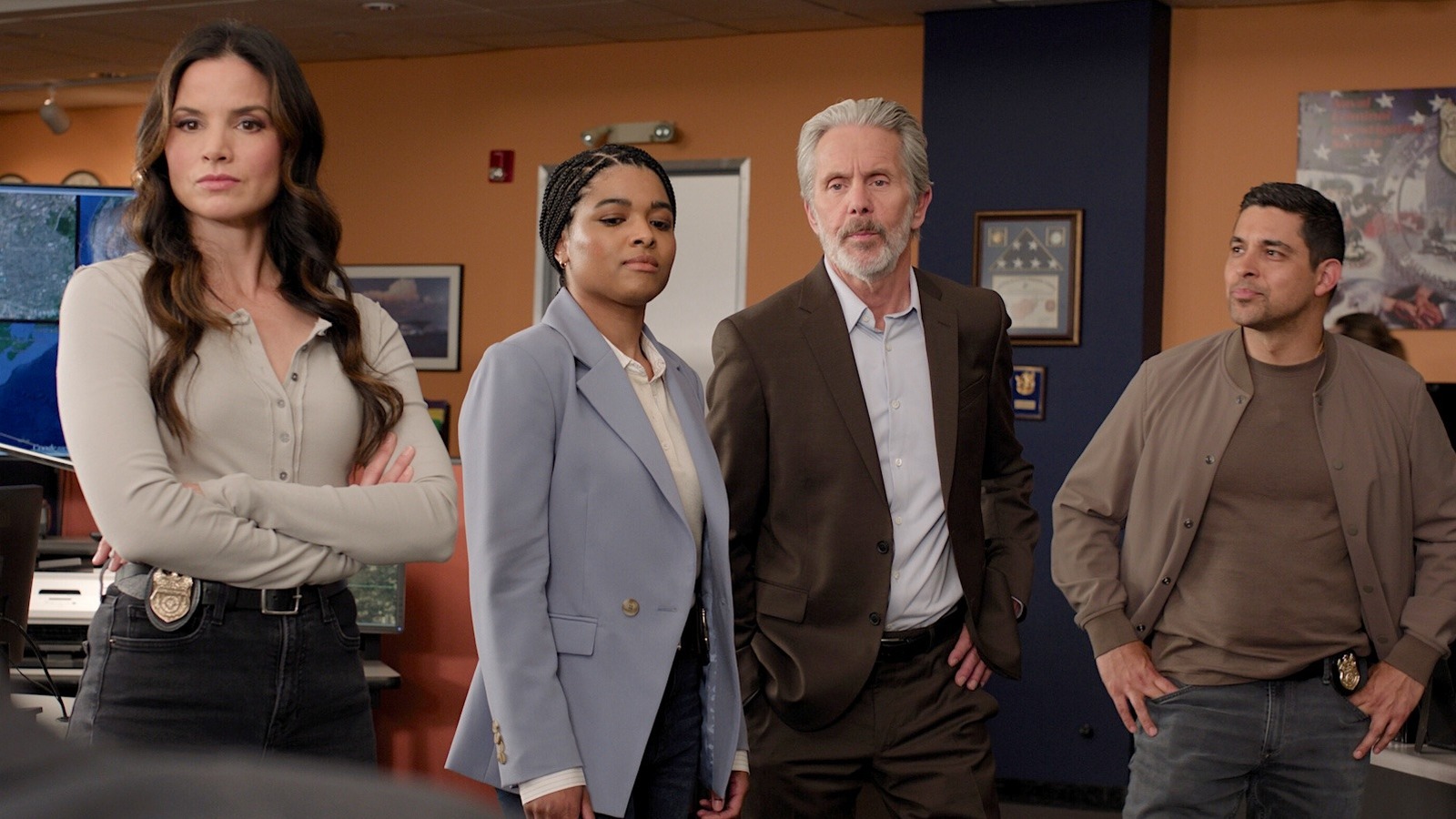
The NCIS Season 23 finale, ‘Sons and Daughters,’ represents a paradigm shift in the franchise’s narrative architecture, transitioning from episodic criminal investigations to a sophisticated examination of institutional risk and legacy preservation. By pivoting on a violent confrontation between Special Agent Nick Torres and Mateo McGee—the teenage son of Timothy McGee—the series explores the erosion of the agency’s internal security perimeters and the fragility of its generational succession.
Systemic Failure and the Breakdown of Internal Protocols
The alleyway standoff serves as a critical case study in operational lapse. Mateo McGee’s presence in a high-risk scenario, coupled with his possession of a firearm, suggests a catastrophic breach of NCIS security protocols. His warning to Torres regarding active surveillance implies that the agency’s headquarters—traditionally a sanctioned sanctuary—has been compromised by undetected external actors. This development forces a reassessment of the agency’s ability to protect its primary assets: the families of its leadership.
The Strategic Preservation of Character Equity
Showrunner Steven D. Binder’s confirmation of a non-lethal outcome indicates a tactical shift in emotional management. Following the death of Director Leon Vance, the production has opted to prioritize ‘character equity’—the long-term value of established personas—over the shock value of permanent exits. By substituting fatality with psychological trauma and administrative inquiry, the writers have created a sustainable narrative engine for Season 24, focusing on the erosion of trust and the legal fallout of intra-agency violence.
Succession Dynamics in a Power Vacuum
The structural integration of Director Vance via flashbacks serves as more than a nostalgic tribute; it provides the forensic context necessary to resolve the current bombing investigation. These sequences juxtapose Vance’s stabilized leadership with the current administrative volatility embodied by Deputy Director LaRoche. LaRoche’s ascent signals a potential shift from a mission-oriented agency to a politically driven bureaucracy, creating an internal front that the team must navigate while concurrently managing the Torres-Mateo investigative aftermath.
Legacy and the Professionalization of the Next Generation
The involvement of Kayla Vance and Mateo McGee underscores a recurring theme of professional inheritance. Kayla’s independent investigative initiatives represent a move toward decentralized, private-sector intelligence, challenging the traditional boundaries of federal authority. The finale suggests that the future of NCIS is no longer confined to official channels but is being reshaped by the autonomous actions of those raised within its shadow, setting the stage for a more complex, multi-layered operational environment.