
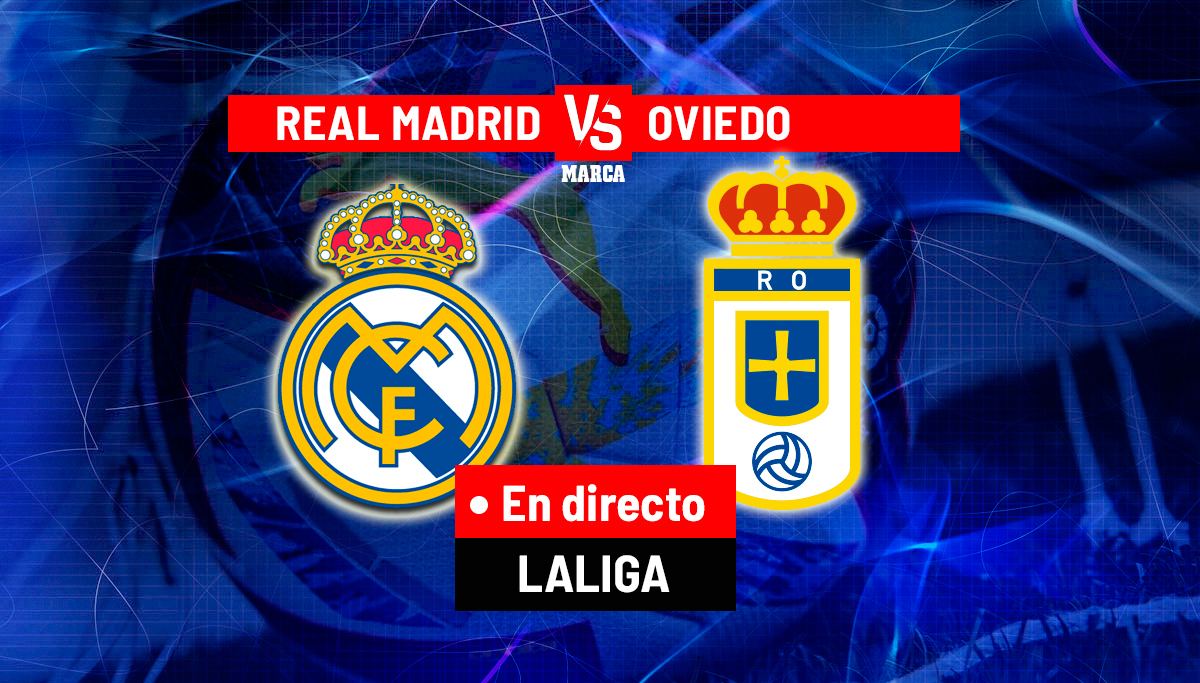
The Matchday 36 fixture between Real Madrid and Real Oviedo serves as a sterile backdrop to a profound institutional crisis. While the sporting stakes have evaporated—Madrid being mathematically excluded from silverware and Oviedo facing relegation—the match provides a critical diagnostic of the systemic failures currently plaguing the Merengue organization. The intersection of locker room volatility, managerial illegitimacy, and a medical crisis has created a vacuum of authority that threatens the club’s commercial and competitive standing.
1. Governance Failure and Human Capital Volatility
The reported physical altercation between Aurélien Tchouaméni and Federico Valverde represents more than a disciplinary breach; it is a failure of internal governance. Valverde’s hospitalization for cranial trauma signals a breakdown in the professional environment that traditionally sustains high-performance squads. From an asset management perspective, the loss of a primary midfield engine through internal friction is a catastrophic operational risk. The decision to persist with Tchouaméni’s selection suggests a compromise in institutional values, where immediate squad depth is prioritized over the restoration of professional standards.
2. The Arbeloa Tenure: Technical and Psychological Stagnation
Álvaro Arbeloa’s managerial tenure has reached an inflection point where tactical deficiencies are compounded by a loss of locker room control. In the Real Madrid ecosystem, a coach’s authority is derived from both competitive results and the management of elite egos; Arbeloa appears to have defaulted on both. The hostile reception at the Bernabéu reflects a rupture in the ‘social contract’ between the club and its socios. Furthermore, the persistent injury crisis—sidelining nearly an entire starting eleven, including Kylian Mbappé—points toward a structural failure in the medical and physical preparation departments rather than mere misfortune.
3. Asset Depreciation and International Implications
The exclusion of Eduardo Camavinga from the national squad serves as a tangible metric of the club’s current decline. For a high-valuation asset, international omission triggers a decline in market prestige and professional morale. This ‘World Cup snub’ highlights the club’s inability to maintain a developmental environment that sustains elite international standards. Concurrently, the defensive transition involving David Alaba’s anticipated departure marks a necessary, albeit late, attempt to rationalize the wage bill and modernize the defensive line amidst a period of stagnant performance.
4. The Economic Reality of the Real Oviedo Relegation
For Real Oviedo, this match represents the financial sunset of their top-flight status. Relegation forces a radical reassessment of their operational budget, particularly regarding television rights and player amortizations. While the match is a formality, the disparity between Madrid’s governance crisis and Oviedo’s existential survival highlights the volatile nature of the La Liga hierarchy. For Oviedo, the Bernabéu is a final showcase for individual assets looking to secure transfers before the club’s budgetary contraction begins.
Strategic Conclusion
Real Madrid enters the off-season facing a multi-dimensional reconstruction. The immediate priority is the restoration of internal discipline and a comprehensive audit of the medical staff’s protocols. Without a decisive intervention in the leadership structure, the club risks a period of prolonged institutional drift. The match against Oviedo is not a sporting event, but a public demonstration of a project in need of a fundamental strategic reset.
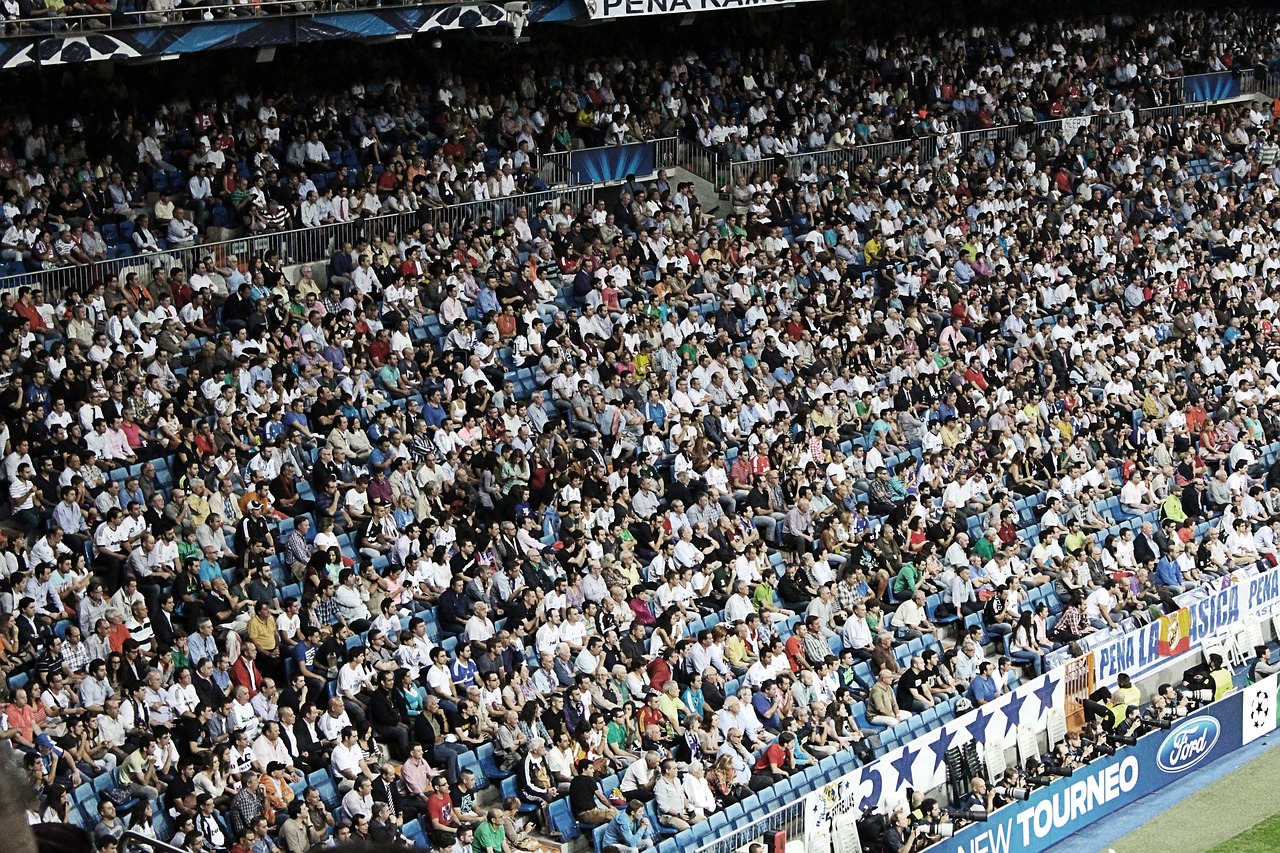
Photo by rubns28 on Pixabay.