Atmospheric Instability and Infrastructure Vulnerability
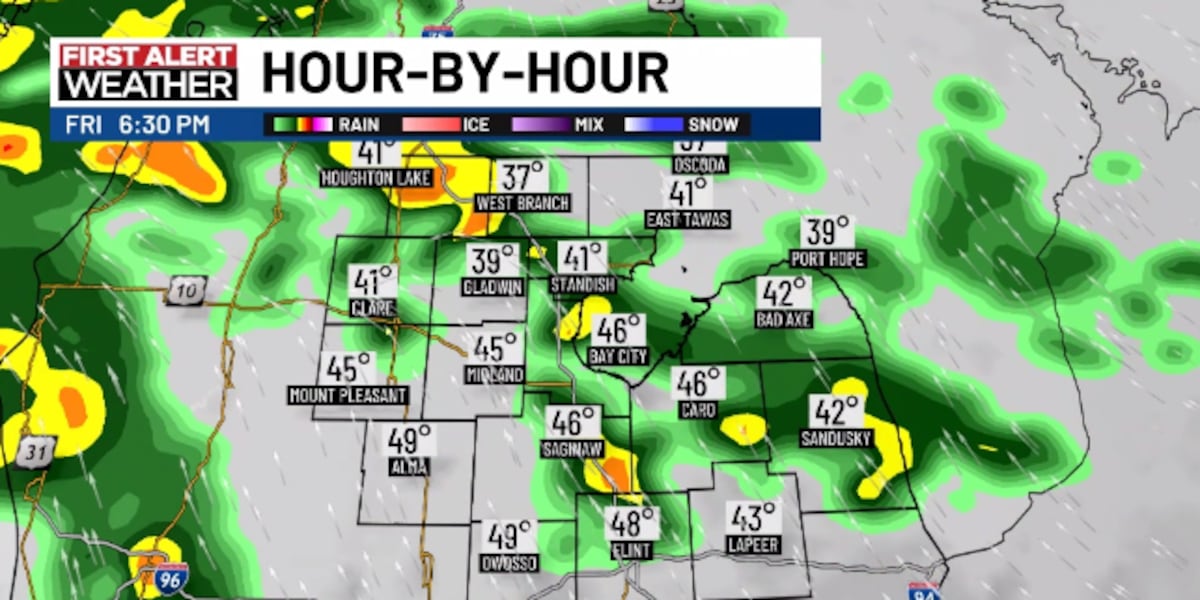
The convergence of dense advection fog and a rapid thermal surge in Southeast Michigan presents a multi-faceted challenge to regional infrastructure. As warm air masses penetrate the Great Lakes basin, temperature gradients—scaling from the mid-40s in northern sectors to nearly 60 degrees in western corridors—generate localized barometric flux. This volatility complicates municipal contingency planning and demand-side energy forecasting, requiring proactive recalibration of emergency response protocols.
Marginal Risk and Strategic Resource Allocation
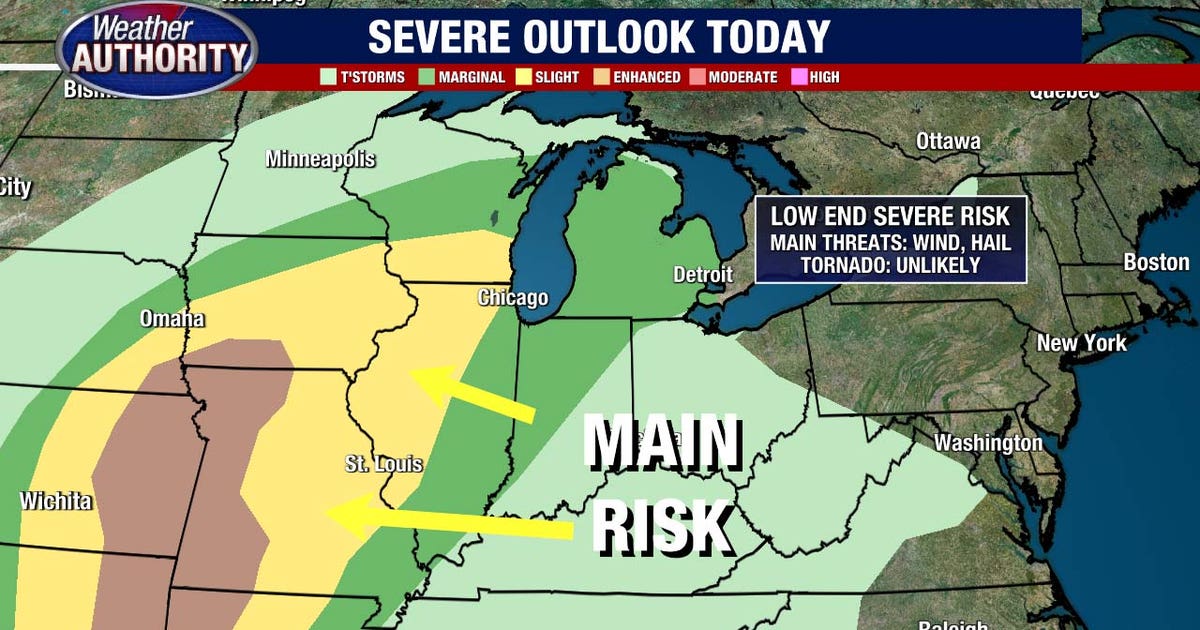
The Storm Prediction Center’s designation of a ‘marginal risk’ for Metro Detroit and Mid-Michigan introduces a specific institutional dilemma: balancing the cost of mobilization against the probability of localized damage. While the likelihood of catastrophic convective activity remains low, the presence of hail, high-velocity gusts, and ponding necessitates a high state of readiness. For the insurance and disaster recovery sectors, this represents a period of heightened exposure, particularly in urban areas where drainage systems may be compromised by residual winter debris.
Logistical Friction and Supply Chain Synchronization
Persistence of dense fog across the Saginaw Valley and Southeast Michigan creates immediate bottlenecks for the automotive supply chain. Reduced visibility on critical arteries, specifically US-10 and the I-75 corridor, necessitates reduced transit velocities. These delays disrupt just-in-time delivery schedules and increase the risk of high-impact multi-vehicle incidents, forcing a reallocation of law enforcement and municipal traffic management resources to high-risk hubs.
Thermal Dynamics and Energy Grid Resilience
The projected temperature surge toward the 60-degree threshold by Saturday marks a significant shift in regional load profiles. This rapid warming abruptly lowers natural gas demand for space heating while simultaneously introducing moisture-driven stresses on electrical infrastructure. Utility providers must mitigate risks associated with thermal expansion and moisture infiltration, which can trigger equipment malfunctions in aging components during the season’s first convective outlooks.
The Convergence of Temporal Shifts and Public Safety
The alignment of severe weather potential with the transition to Daylight Saving Time introduces a critical human-centric risk factor. The resulting sleep deficit can impair cognitive function and reaction times across the general public during a period of environmental stress. From a public safety standpoint, this requires aggressive communication strategies to ensure weather alerts penetrate a fatigued population, particularly as storm timing coincides with late-night shifts in emergency personnel deployment.
Institutional Readiness and Economic Trajectories
This transition from winter-focused operations to convective weather protocols serves as an essential stress test for Michigan’s emergency management frameworks. The subsequent cooldown toward the 50s following the weekend front establishes a cyclical economic rhythm, influencing labor productivity and consumer behavior in retail and home improvement sectors. The ability of regional stakeholders to absorb these atmospheric shocks—from fog-induced logistics delays to hydrological stress—remains a primary indicator of Michigan’s overall structural resilience.