The Convergence of Scripted Satire and Political Hyper-Reality
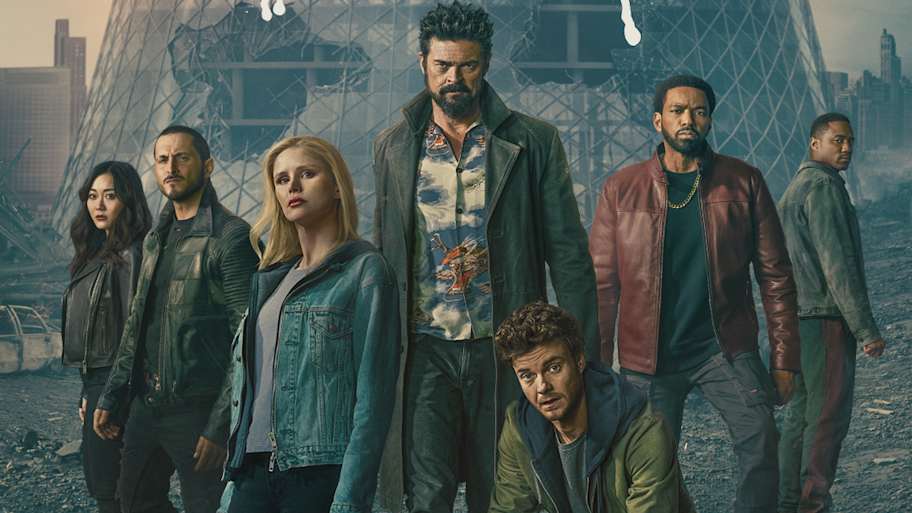
The production of the fifth and final season of The Boys represents a unique intersection where scripted satire and contemporary geopolitical shifts achieve an uncanny synchronization. Showrunner Eric Kripke confirmed that the narrative framework was finalized prior to the 2024 U.S. election cycle, yet the scripts mirror real-world developments that the creative team initially categorized as hyperbolic. This accidental relevance underscores the volatility of satire in an era where reality frequently outpaces the production timelines of high-budget streaming media.
Strategic Obsolescence and the Satirical Risk
Kripke’s admission that the series ‘hit the bullet’ they intended to warn against highlights an operational tension within politically charged intellectual property (IP). When speculative narrative choices manifest as historical fact before broadcast, a series faces ‘satirical obsolescence’—a state where the intended parody is subsumed by the zeitgeist. Consequently, the series must pivot from a speculative warning to a visceral, reflective critique. For Amazon Prime Video, this transition reinforces the show’s brand equity as a premier vehicle for social commentary, elevating its status from mere entertainment to a significant cultural artifact.
The Homelander Archetype: A Structural Model of Power
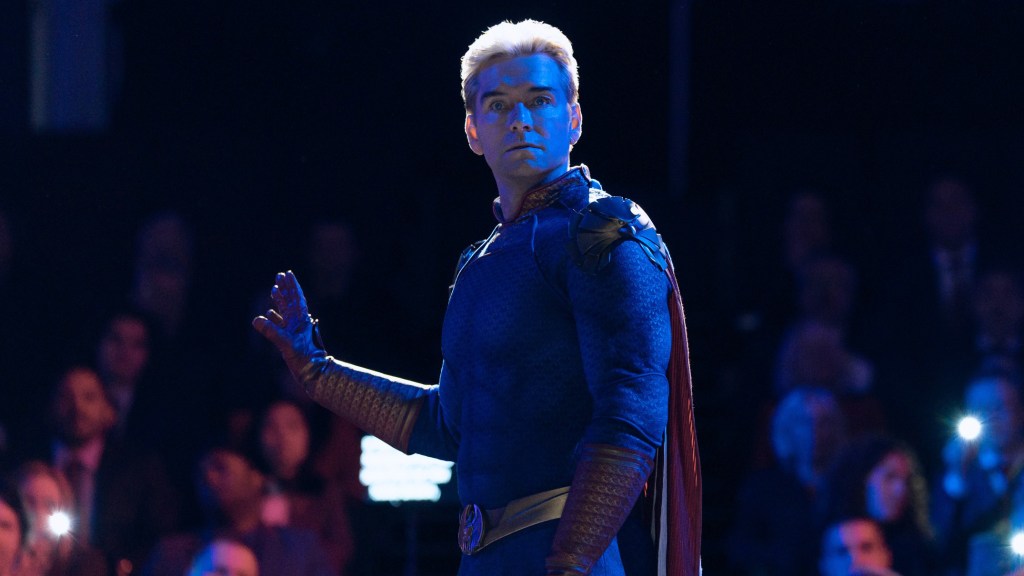
The explicit alignment of Homelander with modern authoritarian tropes serves as a strategic interpretive framework. This is not merely a character choice but an exploration of the mechanics of institutional decay. By grounding Homelander’s descent into extremism within a 1984-inspired architecture, Kripke examines the erosion of democratic checks and the normalization of unchecked authority. The character functions as a psychological study of power uncoupled from legal or ethical accountability, reflecting the fragility of institutional safeguards.
Operational Trajectories and Franchise Continuity
The final season’s move toward a ‘gruesome’ resolution, as described by Jack Quaid, aligns with the franchise’s established brand of visceral impact. Structurally, the flagship series acts as a catalyst for a broader ecosystem of spinoffs. This multi-platform strategy allows Amazon to maintain market dominance in the superhero subversion genre while concluding the primary character arcs. The transition from a single narrative to a shared universe ensures that the intellectual property remains commercially viable long after the central conflict reaches its definitive, bloody conclusion.
The Deep: A Case Study in Banal Complicity
The character of The Deep provides a critical analysis of the ‘collaborator’ archetype within authoritarian structures. His trajectory—defined by a failed redemption and subsequent submission to Homelander—illustrates the preservation of personal status through ethical compromise. This characterization offers a structural look at how power is consolidated not just through the will of a leader, but through the compliance of the inner circle. The Deep serves as a metaphor for the institutional enablers who prioritize proximity to power over systemic integrity.
Conclusion: The Legacy of Subversive Media
As The Boys approaches its finale, its legacy will be defined by its ability to navigate the boundary between fiction and social observation. The strategic decision to conclude the series amidst a landscape of shifting political norms ensures its relevance. By challenging the tropes of the superhero genre, the series provides a definitive commentary on the durability of archetypes in the face of institutional collapse, securing its position as a cornerstone of modern television analysis.