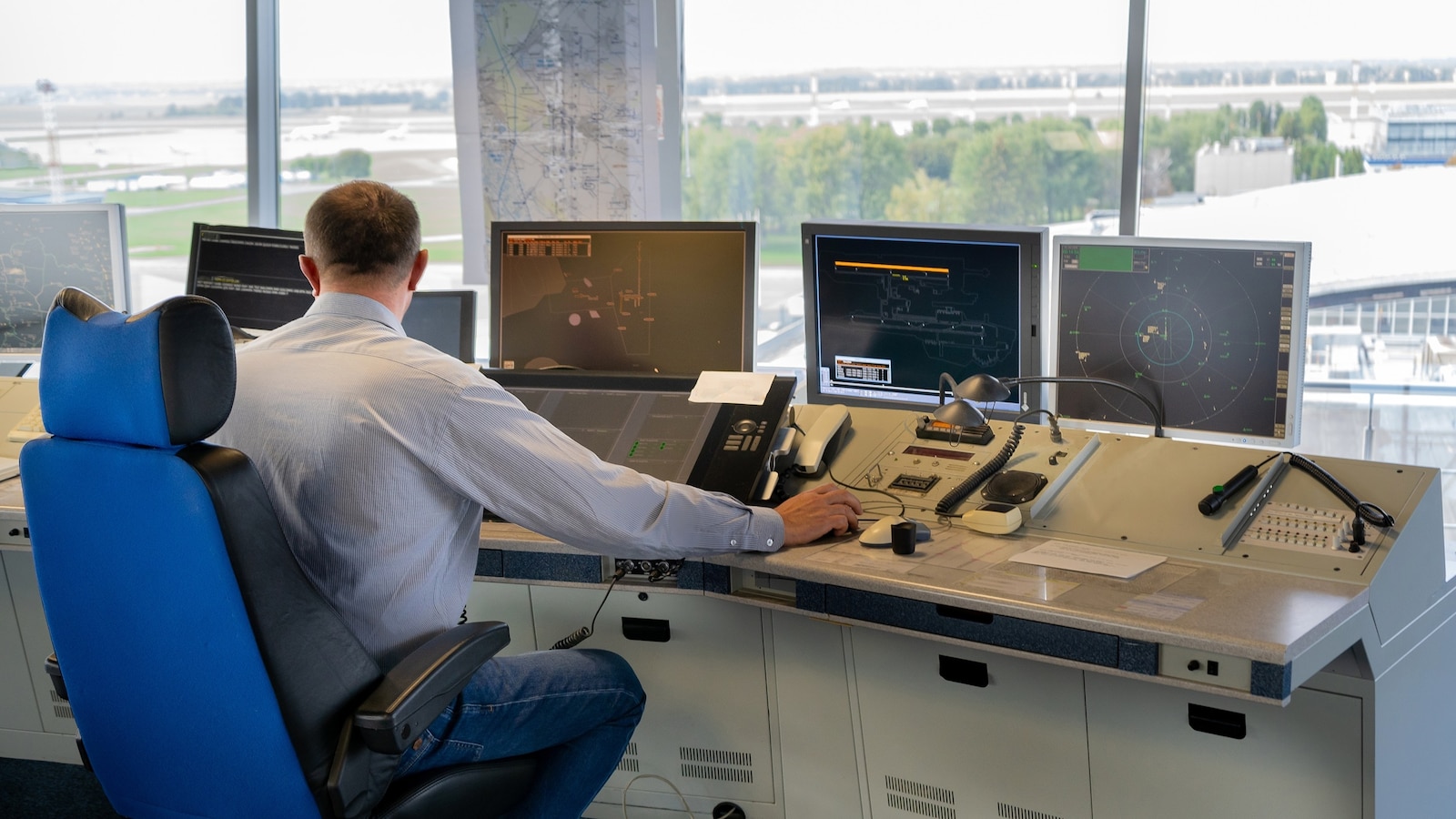
A technical malfunction at a regional Federal Aviation Administration air traffic control facility in Minnesota triggered sweeping ground stops and routing diversions across ten Midwest states. The incident disrupted critical radar systems and air traffic management protocols, forcing flights scheduled for departure or inbound transit to be held on the ground or redirected.
Although federal authorities restored core radar systems, cascading disruptions persisted across regional aviation hubs. The failure originated at an overarching regional center governing airspace across 330,000 square miles, creating logistical friction that rippled through airline networks well beyond the epicenter.
Operational Impact Across Regional Hubs
Regional airfields absorbed immediate setbacks as ground stops disrupted interconnected flight schedules. Nebraska facilities, including Eppley Airfield in Omaha and Lincoln Airport, advised travelers of growing delays and isolated cancellations while awaiting real-time updates to recalibrate departure windows.
Minneapolis-Saint Paul International Airport recorded average delays of ninety minutes during the evening peak as controllers cleared backlogs. Facilities across Michigan, Kansas, Missouri, North Dakota, South Dakota, and Wisconsin absorbed schedule irregularities, displacing aircraft and crews from scheduled rotations.
Institutional Response and Investigation
The FAA initiated a formal review to isolate the technical root cause within the Minnesota facility, examining hardware reliability, software performance, and network redundancy protocols. Regulatory bodies routinely scrutinize such incidents to evaluate systemic vulnerabilities in national airspace infrastructure.
The disruption highlights the operational fragility of high-density airspace reliant on centralized technological nodes. Industry stakeholders await technical findings to inform upcoming infrastructure hardening initiatives.