Strategic Roster Construction Amid Regulatory Flux
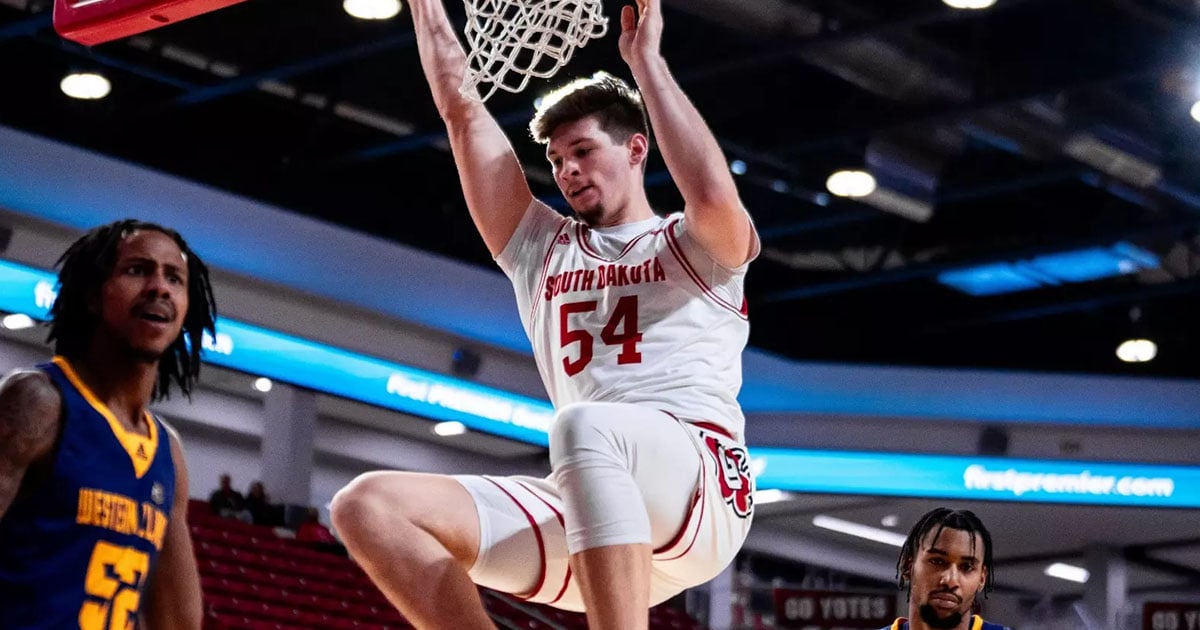
The commitment of 7-foot center Cameron Fens to the North Carolina Tar Heels signifies more than a tactical frontcourt acquisition; it represents a pivotal intersection of high-level recruitment and the accelerating judicial challenge to NCAA authority. Fens, a First Team All-Summit League selection from South Dakota, provides UNC with a statistically dense profile: 14.4 points, 8.7 rebounds, and 1.5 blocks per game. This acquisition, brokered by Ecos Group representative Craig Owens, exemplifies the professionalization of transfer negotiations where elite physical size is leveraged against the immediate vacancy in blue-blood interior rotations.
The Davidson County Injunction: A Catalyst for Policy Erosion
Fens’ eligibility for a fifth year was secured via a temporary injunction in Davidson County, Tennessee, exposing a critical structural flaw in the NCAA’s transition to an age-based eligibility model. The current framework—which triggers a five-year clock at age 19—failed to incorporate grandfathering provisions for athletes concluding their fourth season by Spring 2026. This administrative oversight created a regulatory vacuum, transforming the courtroom into a primary venue for eligibility determination and inviting systemic litigation that erodes the NCAA’s unilateral governance.
Market Dynamics and the ‘Fifth-Year’ Premium
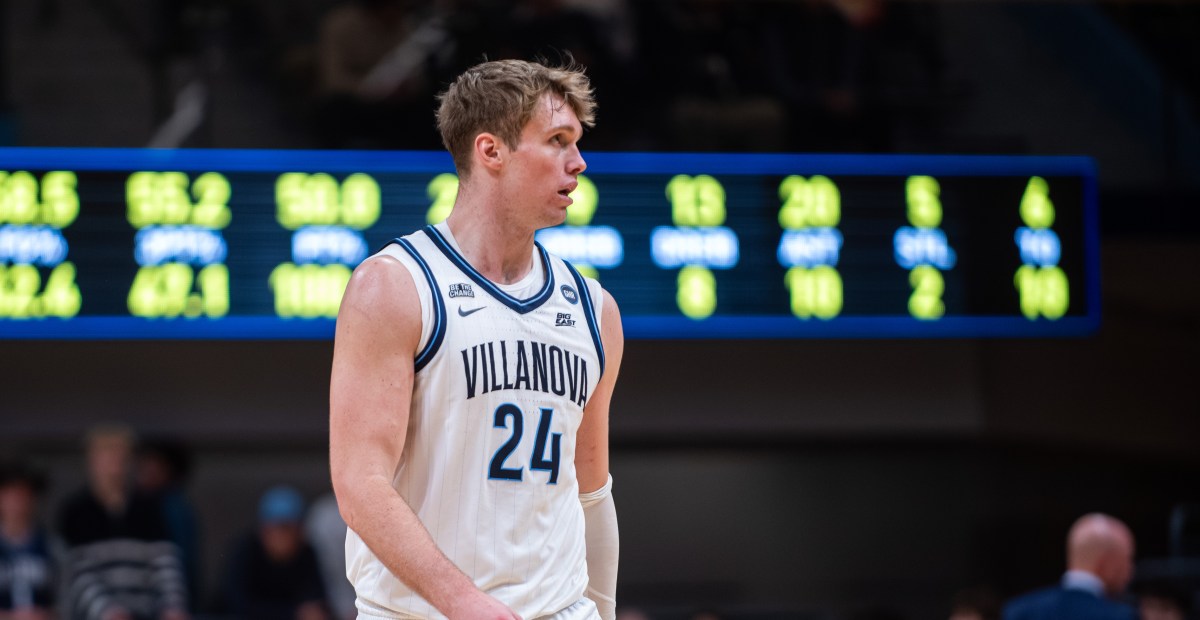
The transfer portal economy is increasingly dictated by the availability of physically mature veterans, a trend highlighted by the parallel pursuit of Villanova transfer Duke Brennan. Brennan’s high-efficiency metrics (65.8% FG) and rebounding volume (14 double-doubles) have made him a high-value asset for programs like UNC, UConn, and Oregon. His market entry, managed by agent Earl Flaggs, illustrates the ‘displacement effect’: Villanova’s frontcourt overhaul under Kevin Willard, including the additions of Kwame Evans Jr. and Luigi Suigo, forced a proven starter into the portal to maximize competitive and financial leverage.
Institutional Risk and the Fall 2027 Horizon
The NCAA’s rigid implementation timeline for Fall 2027 has inadvertently generated a period of administrative instability. By treating the 19th-birthday trigger as an absolute limit, the NCAA faces increasing judicial pushback for what courts interpret as arbitrary restrictions on an athlete’s developmental potential. For programs like North Carolina, this shift from administrative to judicial governance necessitates a data-driven recruitment strategy that hedges against mid-cycle eligibility changes. The Fens precedent suggests that until a formal policy consensus is reached, roster continuity will remain secondary to the successful navigation of legal injunctions and the professionalized portal hierarchy.