The Intersection of Familial Counsel and Athlete Autonomy in Elite Competition
Recent commentary surrounding elite athletic careers following significant physical setbacks underscores the complex dynamic between personal ambition, familial counsel, and institutional mandates within high-performance sports sectors.
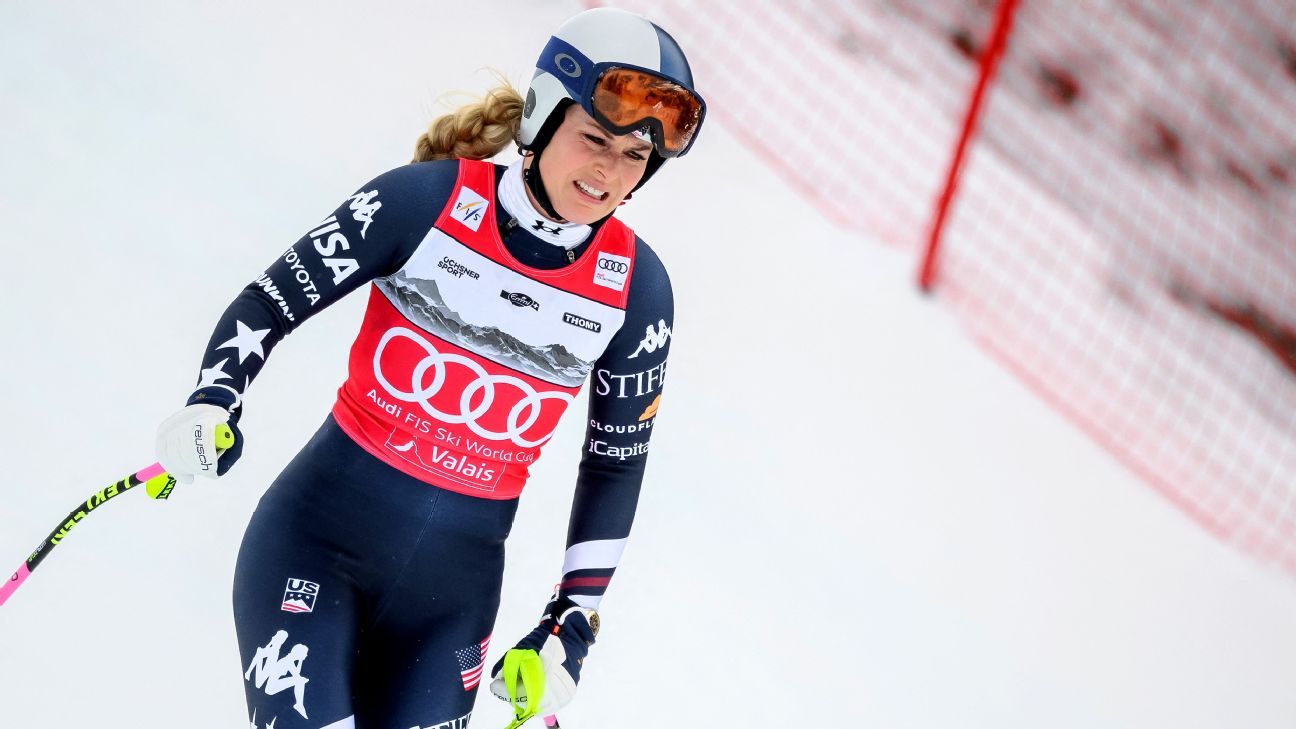
Specific statements attributed to the father of American skiing luminary Lindsey Vonn suggested a definitive end to her racing career should his counsel prevail. This intervention places the responsibility of determining future participation firmly within the context of private counsel, separate from the established administrative bodies governing competitive skiing.
The Structural Role of Parental Influence in Professional Sports
In professional athletics, the influence wielded by immediate family members, particularly parents, often extends beyond typical advisory roles due to the deeply personal nature of an athlete’s commitment and the high stakes involved in competitive performance windows. Such statements, irrespective of their ultimate effect on the athlete’s decision-making matrix, serve to publicly frame the perceived sustainability of an athlete’s competitive tenure.
The context provided by Ms. Vonn indicates a personal resolution regarding her participation subsequent to a serious competitive incident. She reportedly stated a lack of regret concerning her decision to compete in the Winter Olympics despite having sustained a knee injury described as involving a “completely ruptured” anterior cruciate ligament (ACL).
This narrative thread—an athlete proceeding with competition while managing a significant structural injury—brings into focus the established medical clearance protocols and risk acceptance frameworks inherent in high-speed, high-impact disciplines like alpine skiing. Governing bodies within international sports maintain rigorous medical oversight, yet the final determination regarding competitive readiness often remains a highly subjective assessment balancing immediate physical capacity against long-term physiological risk.
Competitive Context and the Olympic Cycle
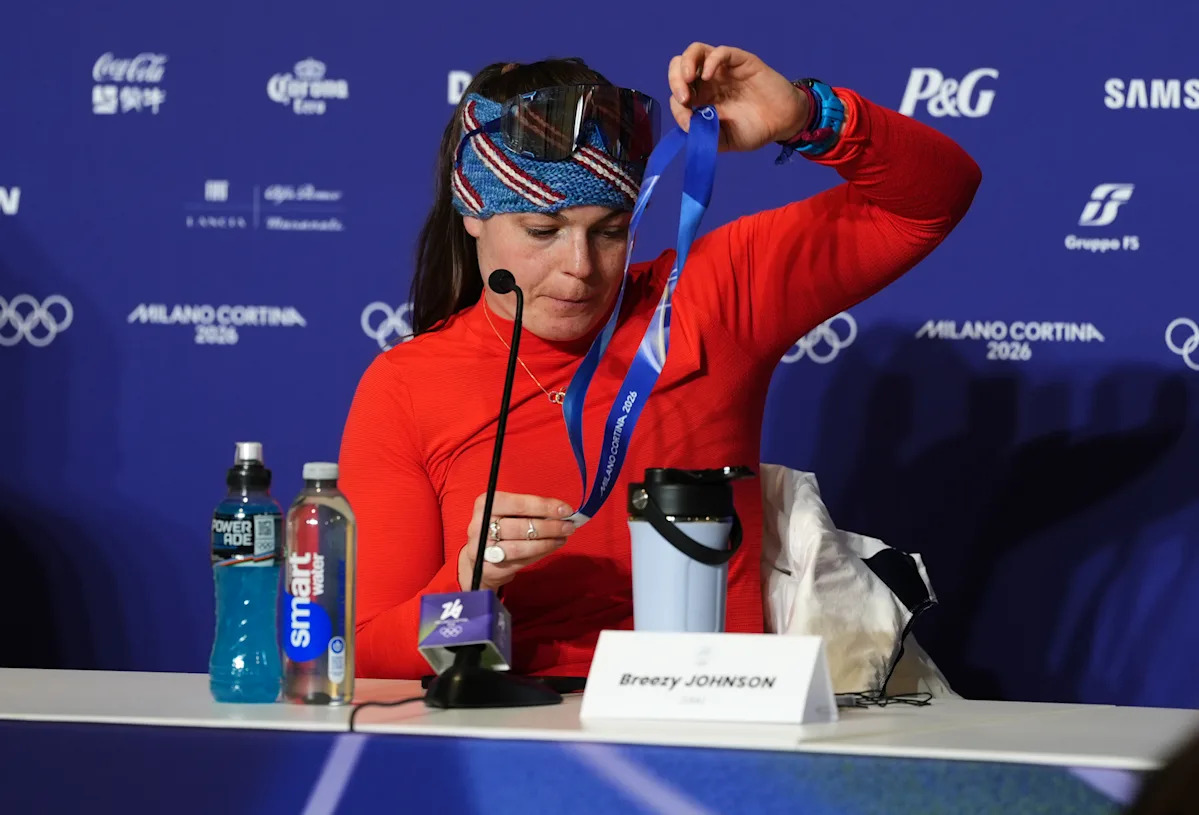
The documentation also notes a separate competitive outcome involving Alpine skier Breezy Johnson, who secured a gold medal for the USA in the women’s downhill event during the Winter Olympics specified for 2026. This result, achieved with a recorded time of 1:36.1, signifies successful performance within the current competitive structure and highlights the continuity of American presence in elite downhill racing.
The reference to the Winter Olympics 2026 establishes a specific temporal marker for these events within the broader four-year Olympic cycle, a fundamental scheduling structure that dictates athlete preparation, funding allocations, and media focus across national sporting federations.
Analyzing Decision Points Post-Injury
Lindsey Vonn’s reported stance—expressing no regret despite the severity of the injury sustained during a devastating crash—serves as a critical data point regarding athlete psychology under duress. For highly decorated athletes, the decision to continue or cease competition involves weighing accumulated career capital against the diminishing returns of participation under physical duress.
The administrative implication here revolves around the concept of career capitalization. An athlete’s marketability, sponsorship obligations, and contractual arrangements are inherently tied to their competitive availability and performance output. When a severe injury occurs, the institutional apparatus surrounding the athlete—agents, sponsors, and national teams—must recalibrate expectations based on the athlete’s physical prognosis and stated intentions.
The father’s assertion that the crash should mandate the end of her career, while powerful in its personal context, highlights a common tension: external stakeholders, often motivated by concern for long-term well-being or preservation of legacy, may advocate for cessation when the athlete themselves is focused on immediate competitive objectives.
The Informational Density of Injury Reporting in Elite Sport
The specific documentation of the injury—a “completely ruptured” ACL—is significant because this type of structural failure often requires extensive rehabilitation periods, impacting an athlete’s ability to maintain the necessary physical conditioning for elite downhill events. The informational value lies in the public acknowledgment of the physiological threshold crossed, contrasted with the athlete’s subsequent competitive decision.
In the broader media ecology surrounding elite sports, such incidents become case studies in resilience or, alternatively, cautionary tales regarding overexertion. The structural analysis requires recognizing that these events feed directly into the competitive narrative, influencing future recruitment strategies and the allocation of resources toward injury prevention technologies and protocols by national governing bodies.
Structural Implications for Athlete Career Management
The continuity of performance exemplified by Breezy Johnson’s gold medal win underscores that the system itself remains operational, absorbing the potential loss of a veteran competitor while simultaneously validating the development pipeline for emerging talent. This dynamic is central to the sustainability of national sporting programs.
For organizations responsible for athlete development, the management of high-profile injuries involves navigating complex liability landscapes and long-term financial commitments. When an athlete faces a career-defining injury, the organization must balance immediate operational needs with ethical obligations regarding post-career support and rehabilitation funding.
The reference point of the Winter Olympics 2026 serves to anchor these discussions within the strategic planning horizons of national Olympic committees. These bodies must project athlete availability years in advance to secure funding and optimize training cycles, making statements about an athlete’s competitive future, regardless of their source, critical inputs into these long-range administrative models.
The Enduring Narrative of Risk Acceptance
The documentation implies an acceptance of high inherent risk within the sport itself. Alpine downhill racing, by its very nature, subjects competitors to forces capable of inflicting catastrophic structural damage, as evidenced by the description of Ms. Vonn’s injury. The commitment to participating in such an environment, even following severe trauma, speaks to the psychological commitment required at the pinnacle of the sport.
This cultural acceptance of risk is institutionalized through established safety standards, equipment regulations, and the very structure of the competitive calendar. However, individual athlete decision-making, as demonstrated here, operates on a plane that transcends mere regulatory compliance, entering the realm of personal risk assessment against career objectives.
In summary, the information relayed—familial counsel advocating for retirement following a severe, documented injury, contrasted with the athlete’s expressed lack of regret while choosing to compete, alongside the documented success of a peer in the same discipline—provides a snapshot of the critical junctures athletes face. These junctures test the boundaries between personal drive, familial concern, and the demanding structural realities of maintaining elite status in winter sports.