Meteorological Drivers and Acute Danger Profile
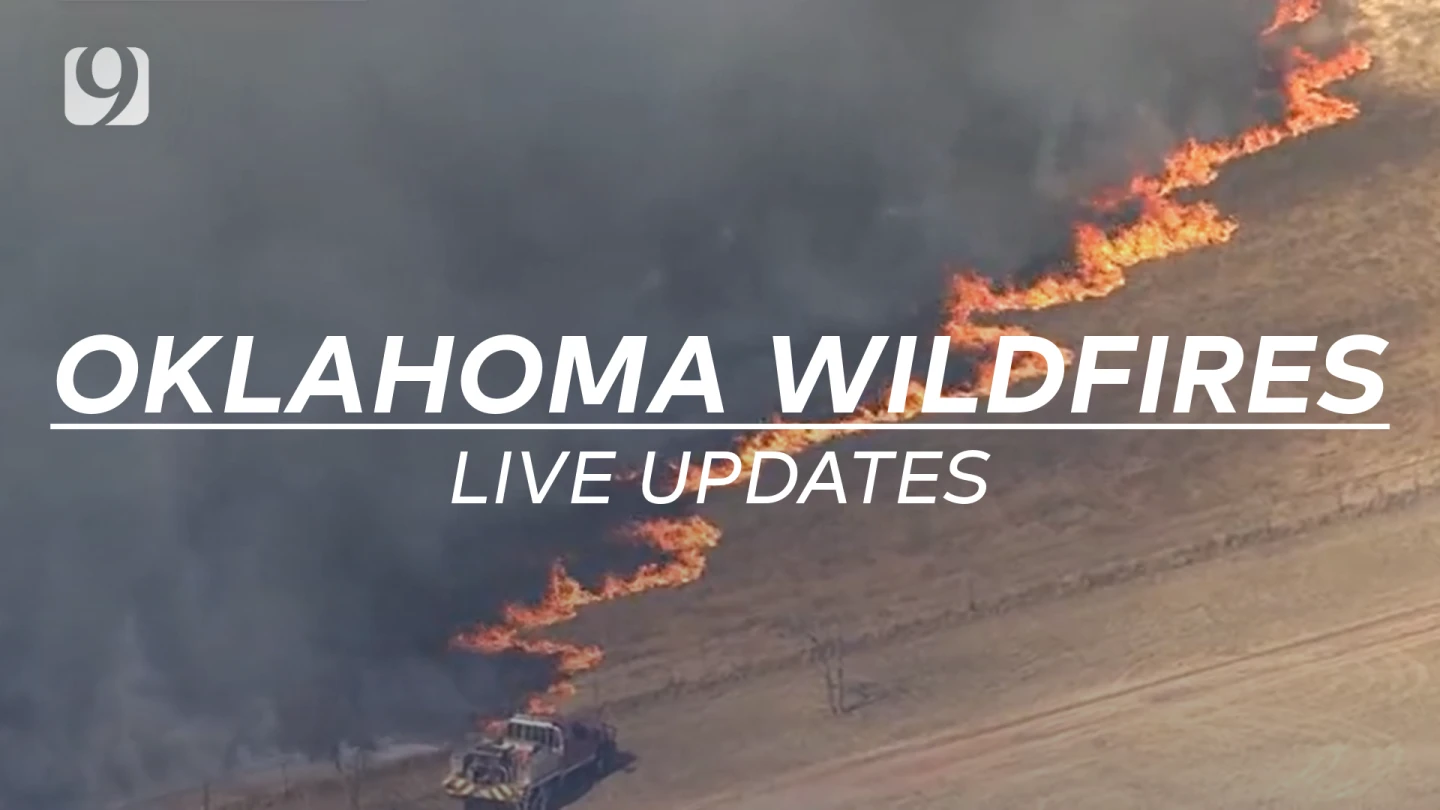
Oklahoma is experiencing peak wildfire vulnerability stemming from the convergence of high sustained wind speeds, critically low relative humidity (RH), and elevated ambient temperatures. The passage of a dry line is the primary driver, causing steep atmospheric pressure gradients, rapid dew point depression, and subsequent exponential acceleration in fire ignition probability and spread rates across the state.
The formal issuance of a Red Flag Warning across Western Oklahoma signifies conditions where fire behavior models predict rapid, high-intensity spread that will severely challenge initial containment capacity. This threat level mandates the apex of immediate danger assessment and resource prioritization.
Differential Risk Zoning and Strategic Asset Allocation
Emergency management protocols utilize tiered risk zoning, ranging from Level 1 (Central/Eastern OK) to Level 4 (Far Western OK). This stratification dictates the strategic reallocation of suppression assets. Western corridors, facing sustained winds of 25-35 mph with gusts reaching 55 mph, require pre-positioning of specialized units to counter near-critical fire weather conditions.
While central Oklahoma benefits from a marginal humidity buffer, mitigating the immediate risk score, the pervasive state-wide wind threat ensures that any ignition point rapidly escalates. This requires maintenance of a flexible, surge-ready posture across all jurisdictional boundaries.
Operational Impact and First Responder Strain
Active incidents, exemplified by the Beaver County fire producing smoke plumes severe enough to necessitate cross-jurisdictional evacuations into Englewood, Kansas, demonstrate the immediate operational strain on regional response capabilities. Firefighting units face dramatically increased risk profiles due to wind shear maximizing spread rates, often forcing a tactical pivot from aggressive initial attack to prioritized containment line establishment.
A critical secondary challenge is operational degradation caused by smoke intrusion, which reduces visibility, thereby complicating situational awareness for both ground crews and air support assets, thus impairing tactical deployment synchronization.
Public Compliance, Liability, and Ignition Mitigation
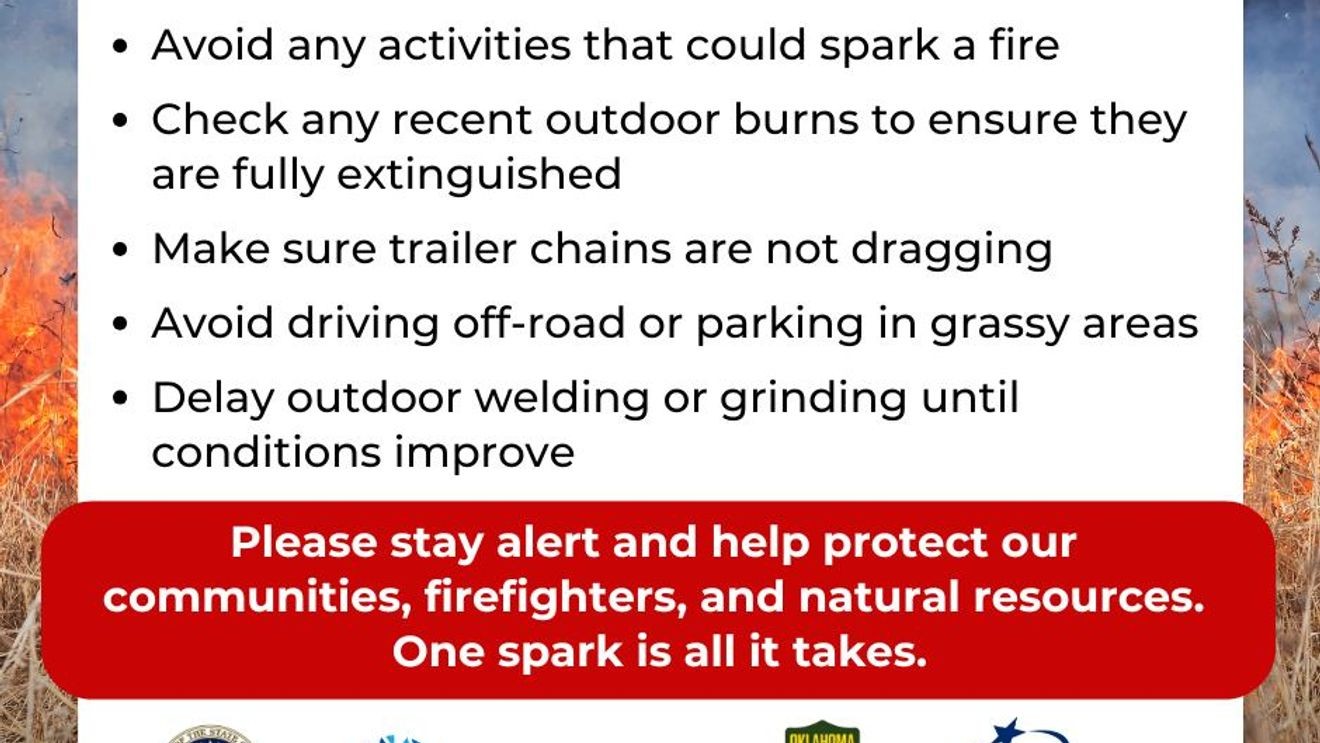
Official advisories explicitly prohibit spark-generating activities (e.g., trailer chain use, off-road vehicle operation, outdoor welding) to mitigate human-caused ignitions during peak vulnerability. Compliance during a declared Red Flag Warning period carries significant administrative weight; non-adherence can legally shift liability for property damage or resource deployment costs onto individuals.
Furthermore, residual heat from improperly extinguished outdoor burns presents a latent ignition vector, capable of re-triggering under the current high-wind, low-RH regime, necessitating rigorous confirmation of complete extinguishment across all properties.
Sector Vulnerability and Forward Trajectory Analysis
Transportation corridors intersecting high-risk zones are vulnerable to vehicle-sparked incidents rapidly escalating into major events. The energy sector must enhance monitoring of utility lines due to high winds increasing the risk of contact, downed lines, and secondary ignition vectors.
The forecast suggests that while Tuesday is the peak danger window, decreasing humidity through Wednesday will sustain elevated, though potentially moderated, danger levels. This shift necessitates a tactical focus adjustment from managing rapid spread to sustaining commitment against slower, persistent fire fronts.
Long-Term Modeling and Actuarial Implications
These recurring extreme weather events provide essential empirical data for refining long-term wildfire risk models. This data directly informs actuarial tables used by the insurance sector, potentially leading to recalibration of property insurance premiums and coverage terms in consistently exposed Level 3 and 4 counties.
Land management must strategically pivot toward fuel load mitigation techniques tailored to rapid fire propagation conditions, moving beyond routine seasonal preparedness to address the frequency of these acute atmospheric instability events.