The Haemmerle-Grondin Rivalry: Peaking vs. Consistency
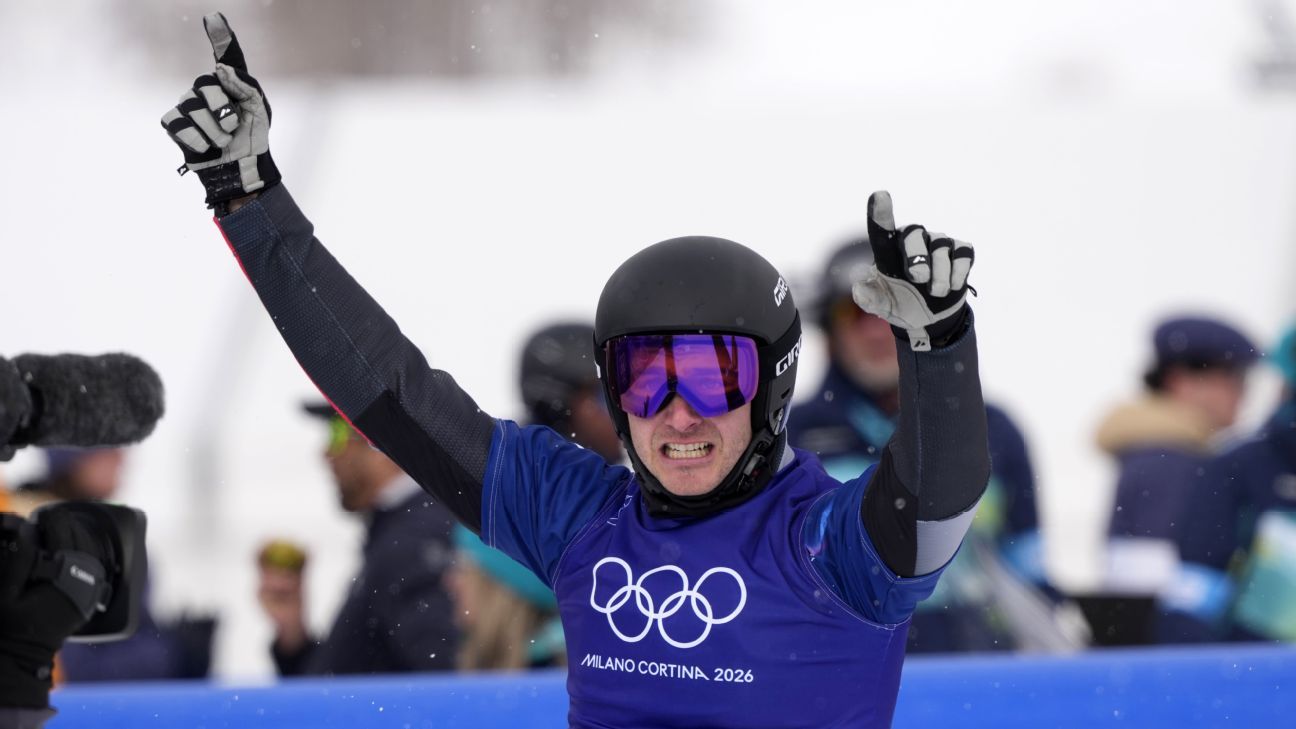
The men’s snowboardcross final in Livigno concluded with a near-identical outcome to the Beijing 2022 Games, as Austria’s Alessandro Haemmerle successfully defended his Olympic gold against Canada’s Eliot Grondin. The 0.03-second margin, mirroring the 0.02-second gap from four years prior, transforms a single event into a defining narrative of sustained rivalry. This repeated result highlights a fundamental strategic dichotomy in high-performance winter sports: the conflict between season-long consistency and targeted Olympic peaking.
Grondin entered the Olympics as the reigning 2024-25 Crystal Globe winner and World Champion, having demonstrated superior consistency throughout the season. Haemmerle, in contrast, secured bronze in the World Championship, suggesting a different approach to performance periodization. The Olympic format, which prioritizes a single day of high-stakes, bracket-style elimination, demands a different strategic focus than the cumulative points system of a season-long tour. Haemmerle’s ability to consistently execute under maximum pressure in the Olympic environment suggests a strategic advantage in mental resilience and tactical execution during high-leverage moments, a critical skill that differentiates single-event success from season-long dominance.
National Program Strategy: Austria’s Conversion Rate vs. Canada’s Silver Pattern
The results from Day 6 of the Milan Cortina Olympics reveal contrasting strategic outcomes for national sports programs. Austria’s success in men’s snowboarding, with Haemmerle’s gold and Benjamin Karl’s successful defense of his parallel giant slalom title, demonstrates a high conversion rate of talent into top-tier results. This suggests a national program capable of optimizing athlete performance for the specific demands of Olympic competition. The consistent delivery of gold medals in high-speed, technical disciplines indicates a robust support structure encompassing coaching, equipment development, and psychological preparation tailored for peak performance on the biggest stage.
Conversely, Canada’s performance, characterized by multiple silver medals—including Grondin’s snowboardcross result and Mikael Kingsbury’s tiebreaker loss in moguls—highlights a systemic challenge. While Canadian athletes consistently demonstrate world-class performance and secure podium finishes, the recurring pattern of silver medals suggests a gap in converting high-level consistency into gold. This pattern raises questions about strategic resource allocation and performance optimization in the final stages of competition. For national sports organizations, the challenge lies in identifying the precise factors—whether technical, psychological, or tactical—that separate silver from gold, particularly when the margins are as small as a tiebreaker or a fraction of a second. The media narrative focusing on “More silver for Canada” frames these results for a national audience, shaping public perception and influencing stakeholder expectations regarding program effectiveness.
Tactical Execution and Risk Management in High-Speed Disciplines
The competitive structure of snowboardcross, where four riders race simultaneously in a bracket format, places a premium on strategic positioning and risk management. Unlike time-trial events, success in snowboardcross requires not only pure speed but also tactical awareness to navigate traffic and seize opportunities. The high-risk nature of the sport, where a single tactical error can cost a medal, shifts the strategic leverage points from raw athleticism to operational execution under pressure.
The operational demands of men’s moguls, where Mikael Kingsbury lost on a tiebreaker, further illustrate the high-stakes nature of technical execution. Moguls scoring combines objective time with subjective judging of turns and jumps. A tiebreaker scenario indicates near-perfect execution from both athletes, with the final decision resting on fine details. This structure exerts immense pressure on athletes to deliver flawless runs, where a single micro-adjustment in technique or landing can determine the outcome. The strategic focus shifts from raw speed to precision and consistency in execution, where every element of the run must be optimized for maximum score.
Athlete Longevity and Strategic Adaptability
The performance of American snowboarder Nick Baumgartner, who reached the semifinals at age 44, highlights the role of experience and longevity in high-risk sports like snowboardcross. While many sports favor youth, the ability to maintain physical conditioning and tactical acumen over decades suggests that experience provides significant leverage in navigating complex courses and high-pressure situations. Baumgartner’s sustained competitiveness demonstrates that strategic adaptation and physical maintenance can extend an athlete’s career well beyond typical expectations, challenging conventional assumptions about peak performance age in winter sports. This longevity underscores that tactical intelligence and risk calculation, developed over years of competition, can be more critical than absolute speed in single-elimination formats.
Future Implications and Marginal Gains Strategy
The contrast between Grondin’s season-long success (Crystal Globe) and Haemmerle’s Olympic dominance highlights a critical institutional challenge in high-performance sports. The World Cup circuit rewards consistency across diverse venues and conditions, while the Olympics demand a single, peak performance on a specific day. National programs must decide whether to optimize for season-long results to secure funding and media attention, or to prioritize the single-event peak required for Olympic gold.
The strategic decisions made by national sports bodies regarding athlete preparation and resource allocation are directly influenced by these competitive dynamics. The consistent performance of Canadian athletes like Grondin and Kingsbury, who consistently place on the podium, indicates a successful talent development pipeline and strong foundational support. However, the recurring pattern of silver medals suggests a need for strategic refinement in the final stages of preparation. Future competitive advantages will likely come from marginal gains in sports science, psychological preparation, and technology, rather than large-scale shifts in talent. The strategic focus for national programs will be on identifying and implementing these marginal gains to secure the fractional advantage required for Olympic success.