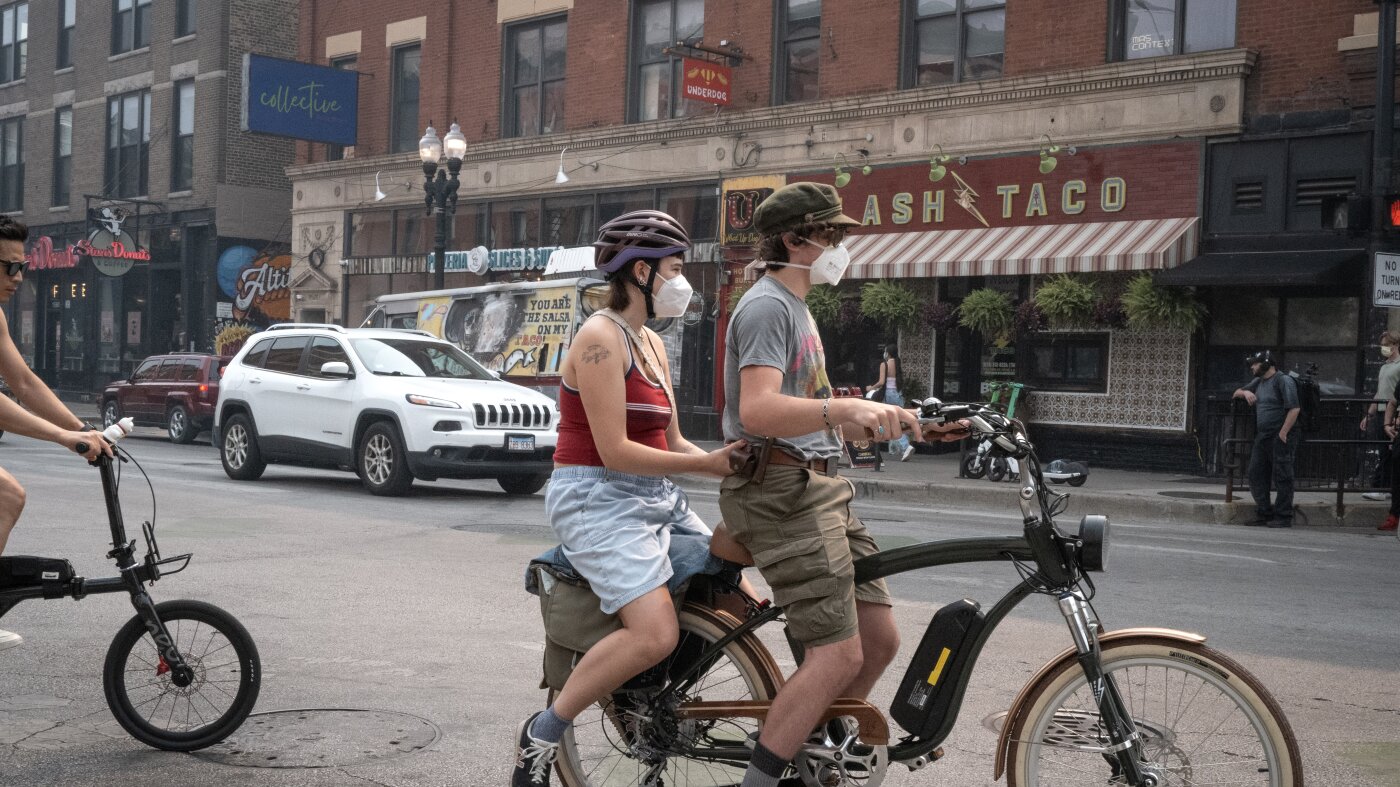
US Air Quality Plummets as Wildfire Smoke Blankets Large Regions
Wildfire smoke originating from Canada and Minnesota has precipitated a significant decline in air quality across extensive areas of the United States. The Northeast, Mid-Atlantic, and Upper Midwest regions are particularly affected, with states like Michigan issuing statewide advisories. This environmental event underscores the escalating transboundary impact of wildfires, extending health and environmental concerns far beyond immediate fire zones.
Air quality in Minnesota reached hazardous ‘purple’ alert levels, indicating extreme risk to public health. Wisconsin has reported unprecedented air quality degradation, while Vermont’s skies have taken on a distinct orange hue. New York City, following a temporary respite, anticipates further smoke incursions, highlighting the dynamic and unpredictable nature of these atmospheric phenomena.
The phenomenon of wildfire smoke impacting air quality over vast distances is recognized as a critical and growing public health issue. This trend is intrinsically linked to anthropogenic climate change, which demonstrably increases wildfire frequency and intensity. The resultant smoke plumes possess the capacity to travel thousands of miles, affecting populations far removed from the fires’ ignition points.
Health Impacts and Public Health Responses
Medical professionals are drawing alarming parallels between breathing wildfire smoke and the health consequences of heavy cigarette smoking. Dr. May-Lin Wilgus, a pulmonologist and professor at UCLA, has likened the exposure to smoking a pack or more of cigarettes daily, emphasizing the severe respiratory risks.
Air quality is meticulously monitored using established metrics to quantify pollution levels. These measurements are vital for informing the public and triggering necessary protective actions. The ‘purple’ alert level denotes an Air Quality Index (AQI) posing a significant risk to all individuals, mandating immediate health precautions.
Public health agencies are disseminating critical information regarding these risks and advising on protective strategies. Recommendations include limiting outdoor activity, utilizing indoor air filtration systems, and understanding the potential long-term health consequences of repeated or prolonged exposure to fine particulate matter (PM2.5) inherent in wildfire smoke.
Strategic and Operational Challenges for Affected Regions
The recurrent nature of these smoke events necessitates strategic re-evaluation of public health infrastructure and emergency preparedness protocols. Local and state governments face the complex challenge of resource allocation for enhanced air quality monitoring, public advisement campaigns, and potential health interventions.
Operational adjustments are being implemented across various sectors. Outdoor recreational activities, construction projects, and agricultural operations may face temporary suspensions or require modified work practices to minimize employee exposure. The economic ramifications of such disruptions are a significant consideration for affected industries.
The critical reliance on timely and accurate information dissemination is paramount during these events. News organizations and public service announcements play a vital role in alerting citizens and providing actionable guidance. Effective communication channels are essential for public safety during environmental crises.
Climate Change: The Systemic Driver
The fundamental driver behind increased wildfire activity and subsequent smoke dispersion is human-caused climate change. This systemic factor is altering environmental conditions, fostering an atmosphere conducive to larger, more intense wildfires.
The long-range transport of smoke is a direct consequence of atmospheric circulation patterns, which are also undergoing climatic shifts. This interconnectedness means localized environmental events can have far-reaching, transboundary consequences, impacting multiple jurisdictions and populations globally.
The recurring nature of wildfire smoke events, as indicated by updated reporting, suggests this is an evolving challenge requiring continuous monitoring and adaptive strategies. This phenomenon serves as a tangible manifestation of broader climate change impacts.
Stakeholder Vulnerabilities and Risk Management
Vulnerable populations, including children, the elderly, and individuals with pre-existing respiratory or cardiovascular conditions, are disproportionately at risk from wildfire smoke exposure. Their health outcomes are directly affected by air quality degradation, necessitating targeted public health interventions.
The energy sector and transportation networks can experience indirect impacts. Reduced visibility can impair air and ground transportation safety. Increased demand for indoor air filtration systems may also influence consumer markets and energy consumption patterns.
The institutional response from public health bodies, environmental agencies, and emergency management is crucial for mitigating the fallout from these events. Their capacity to provide accurate data, clear guidance, and coordinate protective measures directly influences public safety and overall community resilience.
Broader Environmental and Economic Ramifications
The long-term implications of increased wildfire frequency and intensity extend to ecological systems, impacting biodiversity and land management practices. The economic costs associated with wildfire suppression, property damage, and public health interventions represent a substantial financial burden on governments and communities.
This environmental phenomenon highlights the interconnectedness of regional issues. Smoke from fires in one jurisdiction can significantly impact the air quality and public health of neighboring states and even countries, underscoring the need for inter-jurisdictional cooperation and policy alignment.
As wildfire smoke becomes a more predictable, though unwelcome, seasonal occurrence in certain regions, it compels a deeper examination of climate mitigation and adaptation strategies. The current situation serves as a tangible, real-time manifestation of the broader environmental challenges driven by climate change, influencing policy discussions and resource allocation priorities.