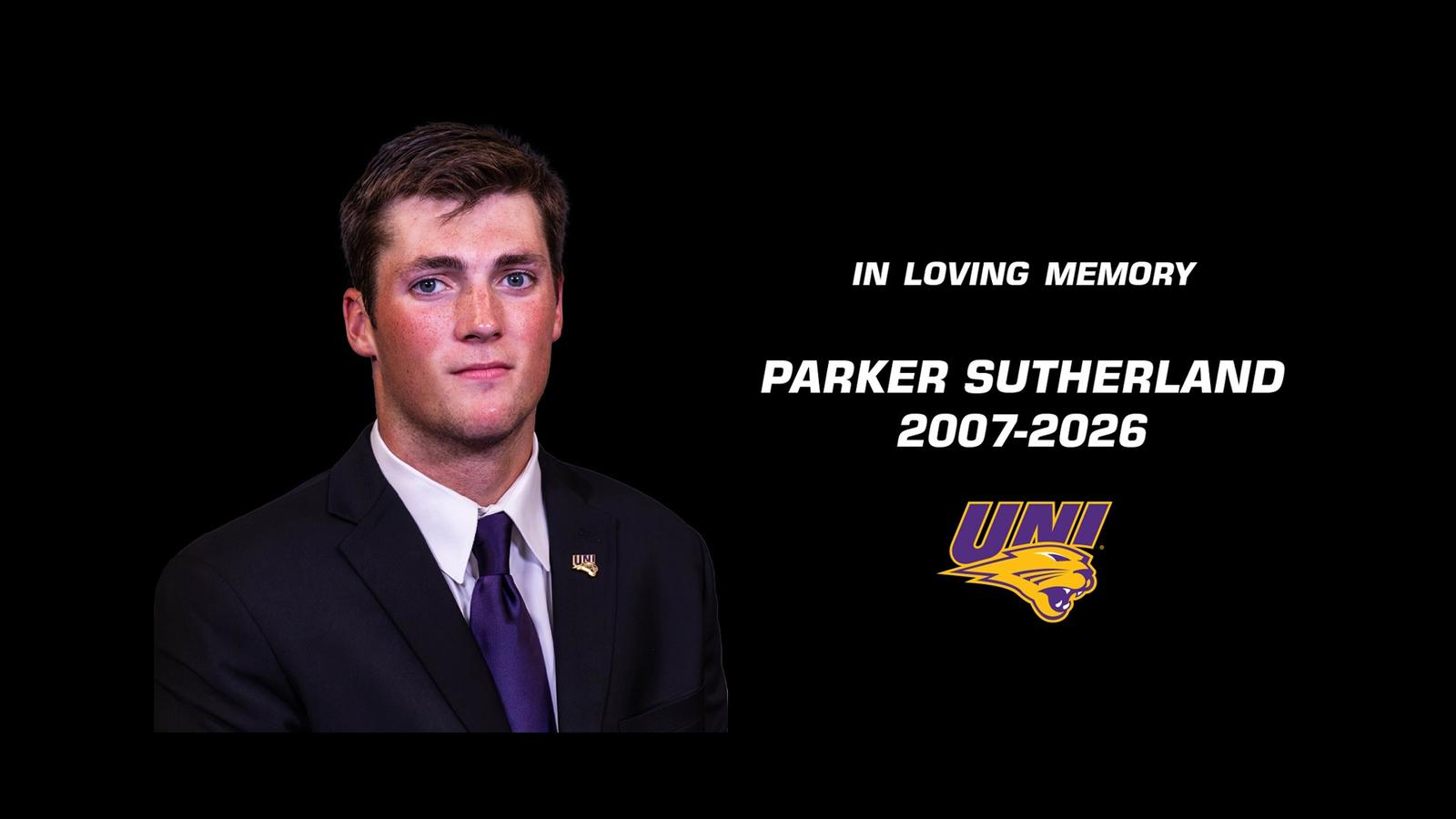
The death of University of Northern Iowa (UNI) freshman Parker Sutherland on February 14, 2026, necessitates a forensic examination of collegiate athletic safety frameworks. Sutherland, an 18-year-old tight end, collapsed during a low-intensity warm-up on February 12 at the UNI-Dome. This incident highlights the ‘low-intensity paradox’—where routine, sub-maximal conditioning phases can mask latent physiological vulnerabilities, challenging existing risk-mitigation benchmarks within mid-major athletic programs.
The Paradox of Routine Conditioning and Medical Screening
Coach Todd Stepsis noted that the collapse occurred during a standard warm-up, a phase typically categorized as low-risk. Sutherland’s profile—a 6-foot-6 multi-sport standout from Iowa City High with four Division I appearances in 2025—suggested high-tier cardiovascular fitness. His death exposes the potential insensitivity of standard NCAA medical screenings in detecting specific anomalies that trigger sudden cardiac arrest (SCA) during moderate exertion. For UNI, this discrepancy between a ‘normal’ training volume and a catastrophic outcome mandates an audit of internal coaching adherence and environmental safety within the UNI-Dome.
Emergency Response Efficacy and Liability Frameworks
The 7:15 a.m. response by the Cedar Falls Fire Department on the day of the collapse underscores the reliance on municipal emergency services. First responders reported Sutherland was in cardiac arrest with a faint pulse, placing immediate scrutiny on the university’s internal medical infrastructure. The interval between the initial collapse and the arrival of advanced life support is the primary determinant of SCA survivability; consequently, institutional liability will hinge on the efficacy of the immediate on-site intervention provided by UNI’s athletic training staff.
Strategic Roster Impact and Organizational Resilience
Beyond the personal tragedy, the loss of Sutherland represents a significant depletion of the program’s human capital. As a freshman integrated into the active roster, he was a cornerstone of the Panthers’ developmental pipeline. Coach Stepsis’s characterization of Sutherland as a ‘one of one’ player indicates the high strategic cost of his absence. The athletic department’s subsequent deployment of mental health resources for the remaining 110 players is not merely a compassionate response but a necessary measure to ensure programmatic stability and maintain team cohesion amid a crisis.
Governance, Reputation, and NCAA-Wide Implications
Director of Athletics Megan Franklin’s communication strategy—framing the event within the ‘Panther Athletics family’—aims to preserve institutional trust and reputational capital. However, the tragedy will likely resonate as a national data point for the NCAA regarding offseason workout intensity and cardiac screening mandates. As the Missouri Valley Conference and the NCAA review the incident, the focus will shift toward a higher standard of duty of care, potentially necessitating more invasive cardiac imaging for high-value student-athletes to mitigate the risk of similar occurrences.