Operation Epic Fury: A New Precedent for Regional Confrontation
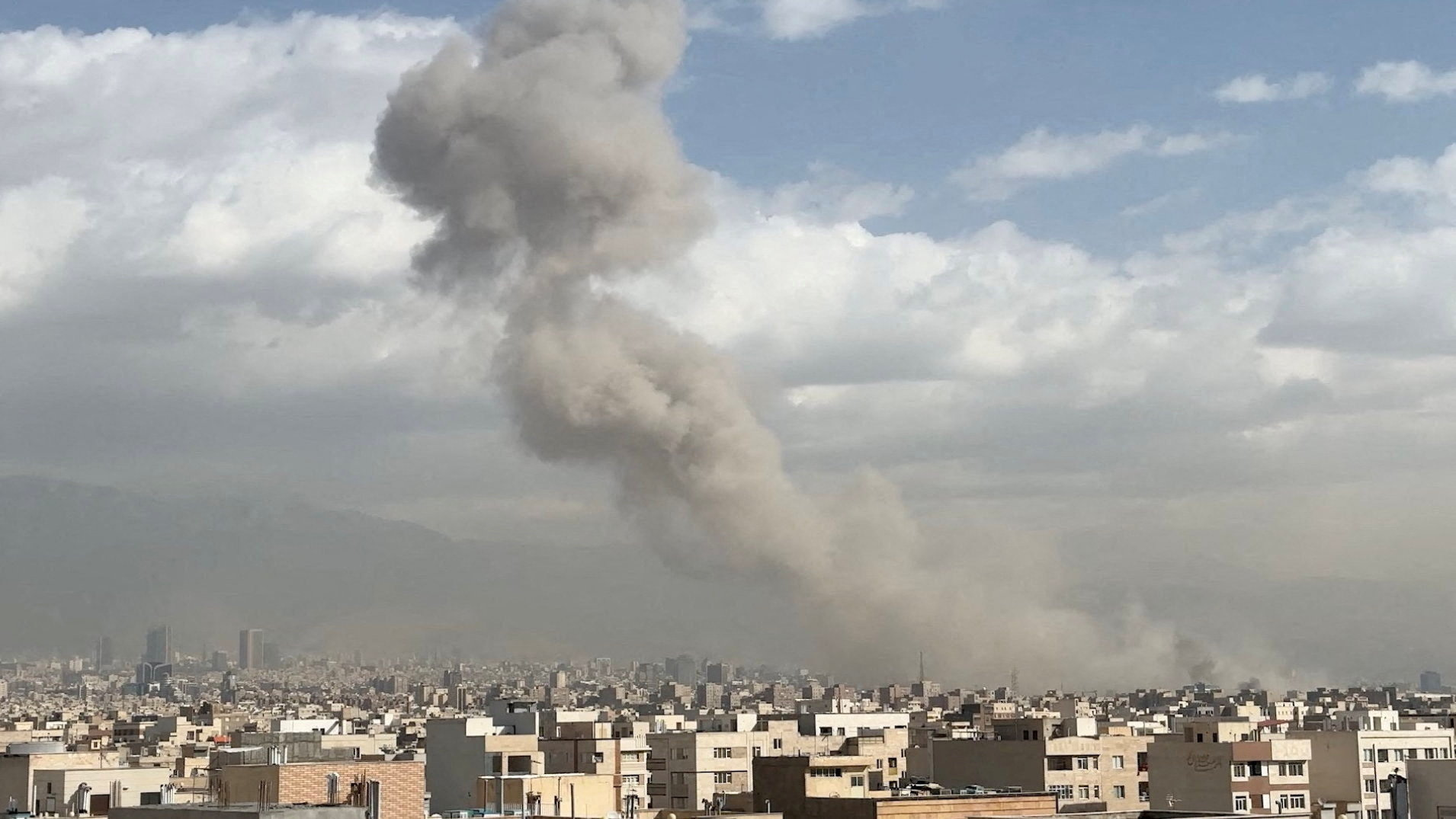
United States and Israeli forces initiated “Operation Epic Fury” on Saturday morning, a campaign US President Donald Trump characterized as “massive and ongoing” against Iran. This coordinated military action did not just escalate regional tensions; it fundamentally reshaped the geopolitical landscape, immediately drawing swift, targeted retaliation from Tehran against Israeli and US installations. President Trump’s explicit call for the Iranian populace to overthrow their government, made publicly during active hostilities, signaled a strategic objective far beyond conventional military strikes, challenging established international norms of sovereignty and non-interference. This declaration elevates the conflict from targeted intervention to a potential regime-change endeavor, fraught with complex legal and diplomatic implications.
Tehran’s immediate counter-attacks underscore its strategic resolve and operational capacity, demonstrating a clear intent to maintain deterrence and respond forcefully rather than de-escalate. Such rapid, reciprocal actions highlight the inherent risks of military engagement in a region already prone to volatility, where each move triggers an immediate, calculated counter-move, making the pathway to de-escalation increasingly opaque.
Khamenei’s Demise Amidst Conflict: A Leadership Vacuum and Systemic Shock
Amidst the unfolding military campaign, reports regarding the death of Iran’s Supreme Leader, Ayatollah Ali Khamenei, injected profound structural uncertainty into the conflict. President Trump’s announcement of Khamenei’s passing on social media, framed as an opportunity for the Iranian people, was swiftly followed by official confirmation from Iranian state media early Sunday, though specific details regarding the cause remained undisclosed. This convergence of reports, amplified by anonymous Israeli officials and Prime Minister Benjamin Netanyahu’s televised remarks about “growing signs” of demise after an Israeli strike, solidified the perception of a significant, destabilizing leadership vacuum.
The apparent death of the Islamic Republic’s second leader, who had no publicly designated successor, creates an unprecedented crisis, particularly under direct military assault. This vacuum risks exacerbating internal power struggles among hardline factions, potentially fragmenting the existing political-military establishment, including the powerful Islamic Revolutionary Guard Corps (IRGC). The absence of a clear succession plan during such a critical juncture transforms internal political dynamics into a high-stakes arena, further complicating both the immediate military response and the long-term trajectory of Iranian governance and foreign policy, with potential ripple effects across the Middle East.
Strategic Ambiguity and Escalation Pathways
Expert analyses reveal a campaign characterized by a stark paradox: a clear objective to launch a major campaign against Iran, yet considerable ambiguity regarding its endgame and critical operational aspects. Nate Swanson noted this operational opacity complicates strategic planning and risk assessment for all parties. Danny Citrinowicz further characterized the campaign as possessing an “abstract objective and no clear endgame,” posing significant challenges for defining success and managing escalation. Such an approach risks mission creep and prolonged engagement, with unpredictable consequences for regional stability and resource allocation.
Matthew Kroenig’s description of the strategic framework as “high-risk, high-reward” encapsulates the inherent gamble. The potential rewards of regime change or significant deterrence are balanced against substantial risks of widespread conflict, humanitarian crises, and unforeseen geopolitical shifts. Jennifer Gavito’s assessment of Iran’s retaliation as a signal of its intent *not* to de-escalate reinforces Tehran’s commitment to maintaining its strategic posture. Furthermore, Alex Plitsas suggested Iran might be deliberately holding some missile capabilities in reserve, implying a calculated approach to future deterrence and controlled escalation, complicating assessments of its full readiness and willingness to intensify the conflict.
International Condemnation and Domestic Frontlines
The global repercussions were immediate and severe. The United Nations Security Council swiftly scheduled an emergency meeting, signaling profound international alarm over the conflict’s potential for global security destabilization. Russia’s accusation of a “pre-planned and unprovoked act of armed aggression” against Iran underscored a significant diplomatic rift, directly challenging the legality and legitimacy of the US-Israeli operation and hinting at broader geopolitical realignments.
Celeste Kmiotek highlighted the serious implications for international law, particularly regarding sovereignty, the use of force, and non-intervention, raising questions about the operation’s international legitimacy and potential for diplomatic isolation. Domestically, Daniel Shapiro questioned President Trump’s clarity to the American people regarding objectives, duration, and potential costs, vital for maintaining public support. Thomas S. Warrick predicted a “home front” in the United States, anticipating significant political, social, and economic consequences, including public opinion shifts, economic strain, and social divisions typical of prolonged or controversial military engagements.
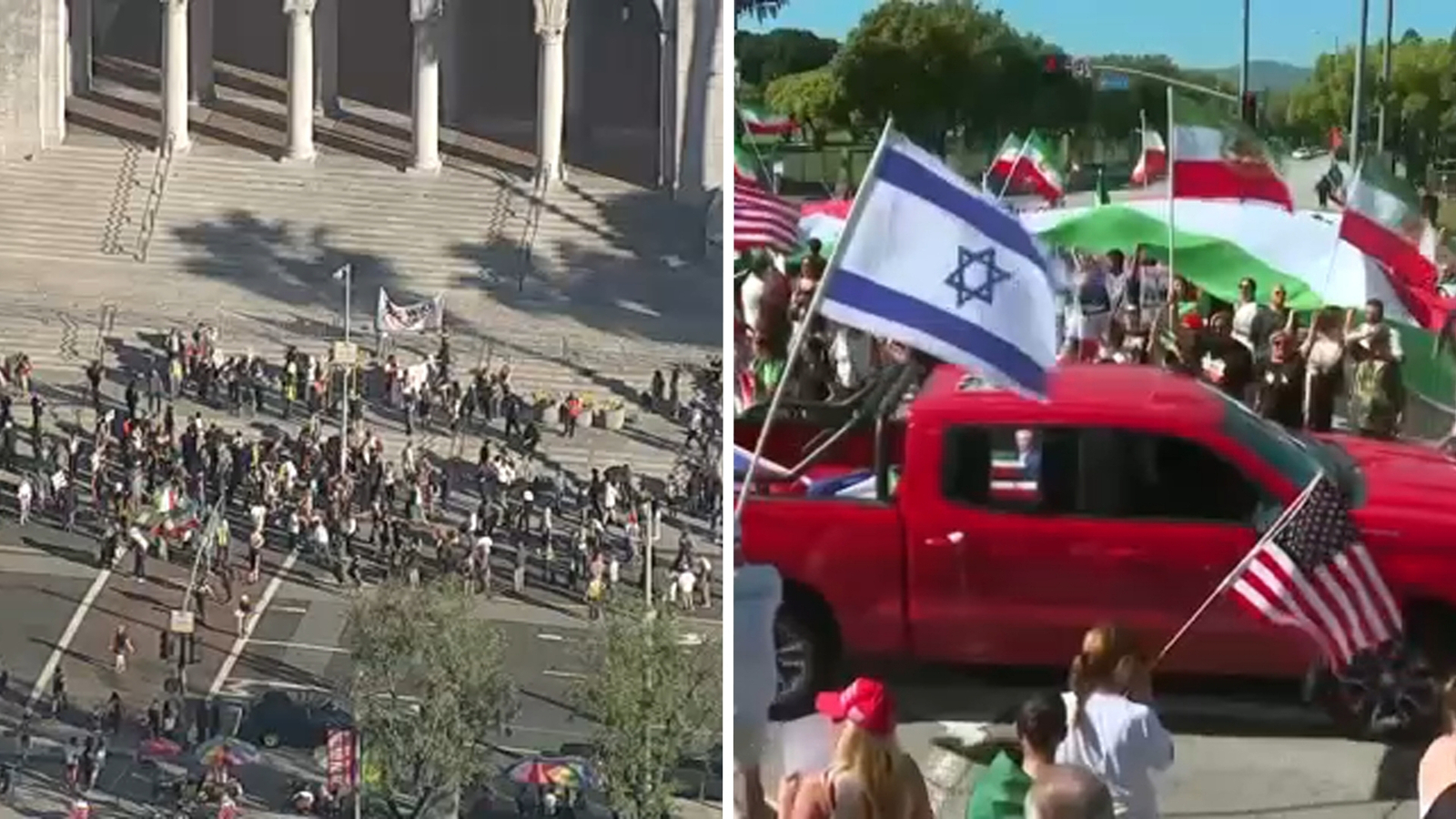
Across Southern California, home to a substantial Iranian diaspora, reactions were profoundly mixed. While some groups celebrated the reported demise of the Supreme Leader, aligning with months of prior protests against the Iranian regime in Westwood, others vehemently protested the US military intervention. This divergence reflects the complex interplay of diaspora politics, deeply held historical grievances, and immediate geopolitical events, highlighting the polarized emotional and political stakes within expatriate communities.
Long-Term Outlook: The Specter of an ‘IRGCistan’ and Regional Redrawal
Looking ahead, Jonathan Panikoff warned of the potential for an “IRGCistan.” This concept suggests that while the Iranian regime faces unprecedented external pressure and a leadership vacuum, the institutional resilience of the Islamic Revolutionary Guard Corps could paradoxically lead to a more militarized, fragmented, and potentially less predictable state, rather than a straightforward collapse or democratic transition. This scenario challenges simplistic assumptions about immediate regime change, pointing instead to a deeply entrenched military-ideological apparatus capable of enduring leadership transitions and external pressure, thereby complicating post-conflict stability efforts.
Rob Macaire concluded that the pathway to a stable Iran has significantly narrowed, reflecting a pessimistic outlook on the long-term geopolitical consequences. The confluence of military actions, the sudden leadership transition, and international condemnation creates a highly fluid and unpredictable environment. These events are poised to reshape regional alliances, influence global energy markets, and severely test the efficacy of international diplomatic frameworks for conflict resolution. The operational decisions made by the US and Israel, coupled with Iran’s retaliatory posture and internal leadership challenges, set a new, dangerous precedent for military engagement in the region, demanding vigilant monitoring of both internal Iranian developments and external responses from key global actors to assess the evolving geopolitical landscape and its profound implications for global security.