
Strategic Escalation and Asymmetric Warfare in the Gulf
The documented U.S. military actions against Iranian naval assets, specifically targeting multiple vessels, represent a significant strategic shift in the complex dynamics of the Gulf. These actions move beyond traditional deterrence and into active counter-engagement, directly challenging Iran’s primary naval strategy: asymmetric warfare. Iran relies heavily on its large fleet of fast attack craft and patrol boats to execute an anti-access/area denial (A2/AD) strategy, designed to harass commercial shipping and threaten global energy transit through key chokepoints like the Strait of Hormuz.
By directly targeting and neutralizing these specific asymmetric assets, U.S. forces aim to degrade Iran’s capacity to execute swarm tactics and disrupt maritime commerce effectively. This operational shift alters the cost-benefit calculus for Iran, forcing a re-evaluation of its strategy. While successful in countering immediate threats to freedom of navigation, this escalation also heightens the risk profile for all maritime traffic and significantly increases the potential for miscalculation, potentially leading to a wider regional destabilization.
Economic Repercussions on Global Oil Markets
The primary economic consequence of this escalation centers on the volatility of global energy supplies. The Strait of Hormuz serves as the world’s most critical maritime chokepoint for oil transport, with a substantial portion of global seaborne crude passing through it daily. Iranian efforts to disrupt these flows directly threaten global energy security, creating immediate upward pressure on crude oil prices and increasing volatility in futures contracts. The U.S. intervention, while intended to protect these flows, simultaneously increases perceived risk in the region.
This heightened geopolitical tension translates directly into higher operational costs for shipping companies. Insurers respond by raising war risk premiums for vessels transiting the Gulf, costs that are ultimately passed on to consumers and businesses through global supply chains. For nations heavily reliant on Gulf oil—particularly in Asia and Europe—this creates increased vulnerability to supply shocks and forces a strategic re-evaluation of energy diversification and supply chain resilience. The strategic importance of the region means even short-term disruptions can have disproportionate effects on global financial stability and economic growth.
Political-Legal Ramifications: The War Powers Debate
The reported scale of military engagement has triggered significant political and legal scrutiny in the United States, specifically demands for a War Powers Vote from Congress. The War Powers Resolution of 1973 mandates executive notification to Congress within 48 hours of committing armed forces to hostile actions and requires congressional authorization for sustained engagements beyond 60 days. This debate highlights the constitutional tension between executive authority in foreign policy and Congress’s role in initiating military conflict.
Lawmakers seek to assert congressional oversight over significant military actions, ensuring the executive branch provides a clear strategic objective and justification. A War Powers Vote forces policymakers to take a public stance on military intervention, influencing domestic policy and creating political divisions. Internationally, the U.S. actions serve as a powerful signal regarding its commitment to protecting international norms and economic interests, influencing strategic calculations among allies and rivals, including major energy consumers like China and India, who share a vested interest in regional stability.
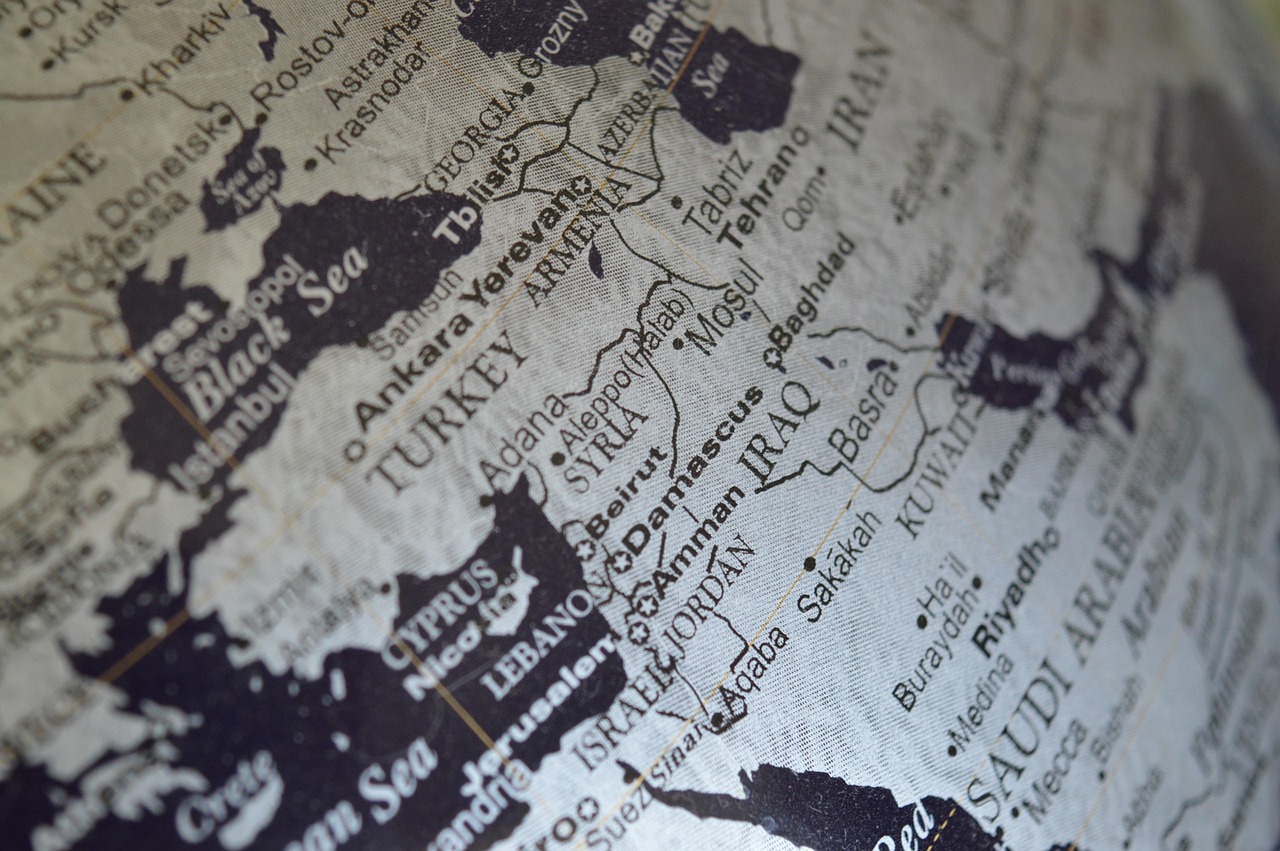
Cover photo by ErikaWittlieb on Pixabay.