LCC Vulnerability and Unbudgeted Financial Risk
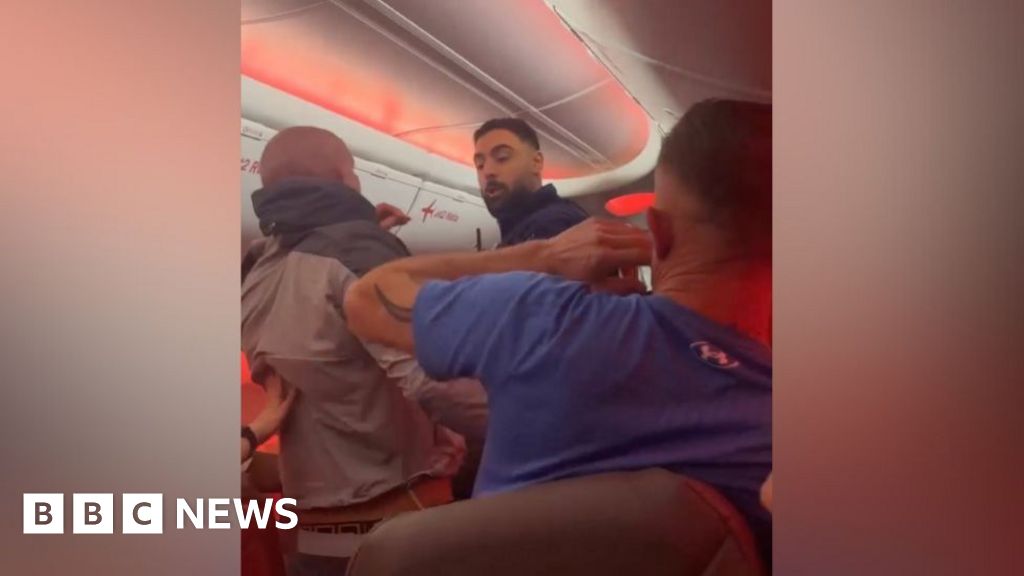
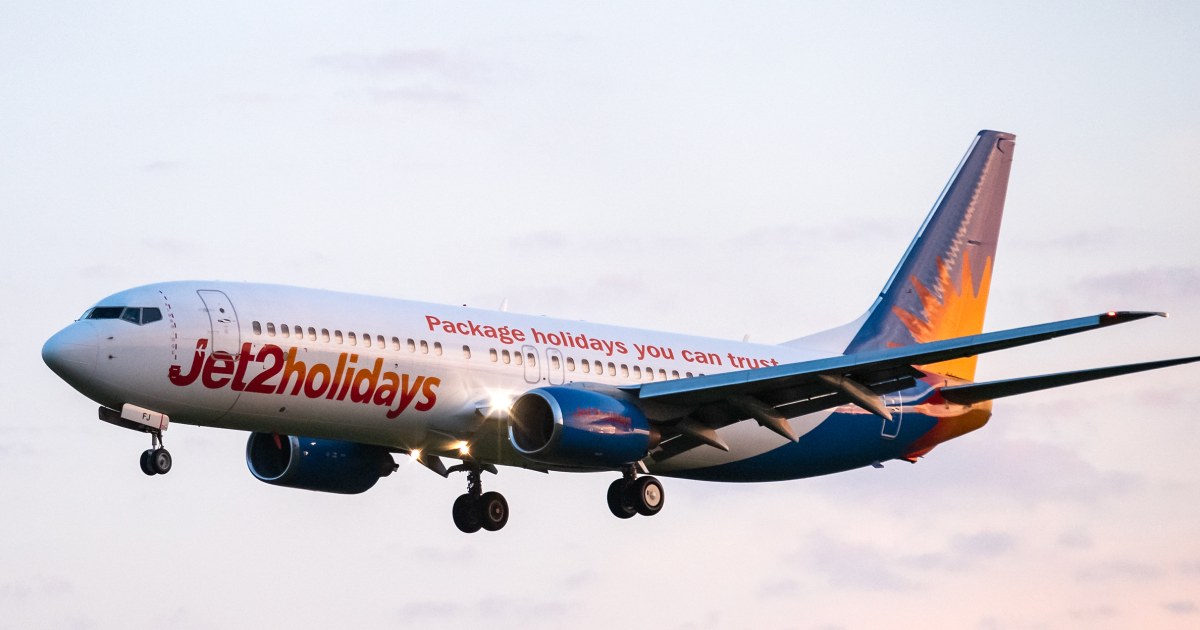
Jet2’s recent diversion of flight LS896, caused by a mid-air altercation, underscores the significant operational and financial vulnerabilities inherent in the low-cost carrier (LCC) business model. The incident, which necessitated an emergency landing in Brussels, triggered a cascade of logistical challenges far exceeding the immediate disruption. LCCs operate on extremely thin margins, relying heavily on optimized scheduling and high aircraft utilization rates. A diversion represents a substantial unbudgeted expense, directly impacting profitability through costs associated with fuel consumption, international landing fees, ground handling services, and crew duty time limitations. For an LCC like Jet2, maintaining schedule integrity across its network is crucial; a single diversion can cause ripple effects throughout subsequent flight rotations, increasing costs exponentially and compromising operational efficiency.
Strategic Cost Recovery as Deterrence
The airline’s public declaration to “vigorously pursue” cost recovery from the disruptive passengers signals a calculated strategic shift in how LCCs manage operational risk. While a standard practice in principle, the public declaration transforms cost recovery from a simple accounting procedure into a powerful signaling mechanism. This approach serves as a deterrent to future incidents, leveraging the threat of civil litigation to mitigate financial exposure. However, the actual process of recovering costs across international jurisdictions—in this case involving a flight originating in Turkey, diverting to Belgium, and destined for the UK—presents significant legal and administrative hurdles. The complexity of cross-border enforcement and potential litigation costs often means the pursuit is primarily strategic rather than a guaranteed financial recovery. The primary value proposition of this strategy is to reinforce a zero-tolerance stance and establish a precedent for holding disruptive passengers financially accountable for operational disruption.
Brand Integrity vs. LCC Economics: The Zero-Tolerance Policy
The incident directly challenges Jet2’s carefully cultivated brand identity as a “family-friendly airline.” In the highly competitive LCC market, brand differentiation is crucial, and Jet2 has positioned itself by emphasizing customer service and a positive travel experience. The mid-air brawl, captured and disseminated on social media, directly contradicts this brand promise. The viral nature of the footage forces a decisive response from the airline to protect its reputation and reassure its target demographic. The implementation of a lifetime ban for the disruptive passengers is a necessary measure to uphold this brand integrity, demonstrating a commitment to prioritizing the safety and comfort of other passengers over potential future revenue from the individuals involved. This zero-tolerance approach, while potentially impacting short-term revenue by turning away customers, strategically reinforces the airline’s value proposition by creating a perceived premium experience within the budget travel segment.
Media Dynamics and Reputational Risk Exposure
The documentation of the incident through social media fundamentally alters the dynamics of crisis management for airlines. In previous eras, such incidents might have remained internal operational matters; today, passengers act as citizen journalists, capturing and disseminating events in real-time. This immediate public exposure places immense pressure on the airline to respond quickly and decisively. The viral circulation of the footage creates a reputational risk exposure that can rapidly erode brand trust if not managed effectively. Jet2’s prompt and firm response, including the life ban and cost recovery announcement, serves as a direct strategic countermeasure to mitigate this risk. The public statement, apologizing to other customers and colleagues, aims to manage the reputational fallout by shifting blame entirely onto the disruptive individuals, thereby preserving the brand’s image of a responsible service provider committed to maintaining order.
Industry-Wide Implications and Regulatory Gaps
The incident reflects a broader industry challenge regarding disruptive passenger behavior, which has seen increased attention in recent years. While a single event, it highlights systemic issues related to passenger conduct, alcohol consumption policies, and the operational burden placed on airlines. The financial and logistical costs of diversions like this one are not isolated to Jet2; they represent a significant drain on industry resources. Jet2’s decision to pursue costs vigorously may set a precedent for other carriers, encouraging a more aggressive stance on financial recovery from disruptive passengers. This could lead to a shift in industry policy, where airlines standardize contract terms to explicitly outline passenger liability for operational disruptions caused by their actions. The complexity of the legal process in this case demonstrates the need for greater international cooperation and potentially standardized legal frameworks to streamline the prosecution of such offenses across different jurisdictions. For the industry as a whole, incidents like this necessitate a re-evaluation of pre-flight alcohol policies and in-flight service protocols to proactively mitigate risks associated with passenger intoxication and aggression.