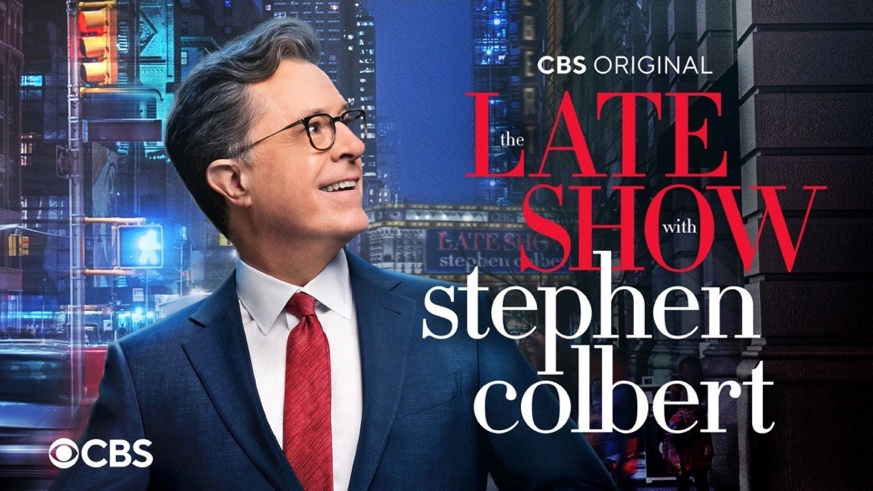
The scheduled conclusion of The Late Show with Stephen Colbert on May 21, 2026, represents a calculated inflection point for CBS and the broader domestic media landscape. Beyond a mere programming transition, this finale serves as the culmination of a decade-long institutional effort to modernize the 11:35 PM time slot. By synthesizing political satire with high-prestige cultural commentary, the program has functioned as a critical defensive moat for linear broadcasting during a period of systemic viewership erosion.
Maximizing Terminal Value Through Tentpole Programming
The return to original broadcasts on May 4 is a strategic move to consolidate market attention. By securing high-impact guests such as President Barack Obama and filmmaker Christopher Nolan, CBS is optimizing the show’s terminal value for advertisers while ensuring a Nielsen peak during its final ratings windows. The appearance of Nolan to discuss his adaptation of The Odyssey exemplifies the show’s role as a primary promotional engine for prestige cinema, aligning the network with a high-income, intellectually engaged demographic.
Furthermore, the May 5 interview with President Obama reinforces the program’s status as a critical node in national political discourse. This positioning has historically insulated CBS from the volatility inherent in standard variety formats, establishing Colbert as an essential mediator between institutional figures and the public. The inclusion of figures like Sally Field and Chris Stapleton, alongside the humanizing “First Drafts” segment with Evie McGee Colbert, balances this intellectual rigor with emotional resonance, fostering the audience loyalty necessary to sustain the brand’s archival value.
Platform Agnosticism and the Digital Transition
The operational pivot toward Paramount+ integration highlights a shift from linear dependency to a hybrid distribution model. By offering tiered access for Premium and Essential subscribers, CBS is effectively capturing a mobile-first demographic that has largely abandoned scheduled television. This strategy is augmented by The Late Show Pod Show and digital-exclusive series like the Colbert Questionert, which maximize the output of high-cost production facilities and ensure monetization across non-traditional viewing windows.
Amidst escalating industry friction—notably the public disputes involving former President Donald Trump and peer hosts like Jimmy Kimmel—Colbert’s final weeks serve as an assertion of media autonomy. His role as the “elder statesman” of satire allows CBS to solidify its brand as a venue for fearless commentary. This reputational capital is essential for the show’s downstream digital assets, which continue to generate engagement long after the original broadcast.
The Institutional Vacuum and Future Market Dynamics
Colbert’s departure on May 21 creates an immediate strategic vacuum in the late-night ecosystem. For CBS leadership, the challenge lies in deciding whether to maintain the current politically-focused editorial direction or pivot toward a format with broader, less polarized appeal. This transition will likely trigger a period of ratings volatility as competitors NBC and ABC attempt to capture displaced viewers. Ultimately, the legacy of the Colbert era will be defined by its ability to have bridged the gap between traditional broadcast authority and the fractured, platform-agnostic future of entertainment.