The Structural Evolution from Collegiate to Professional Basketball
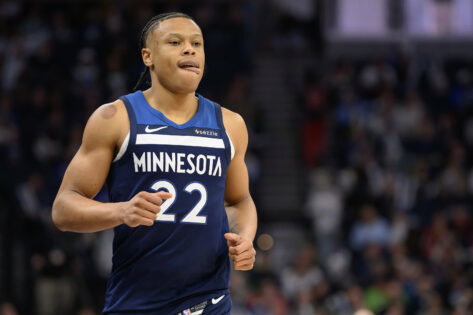
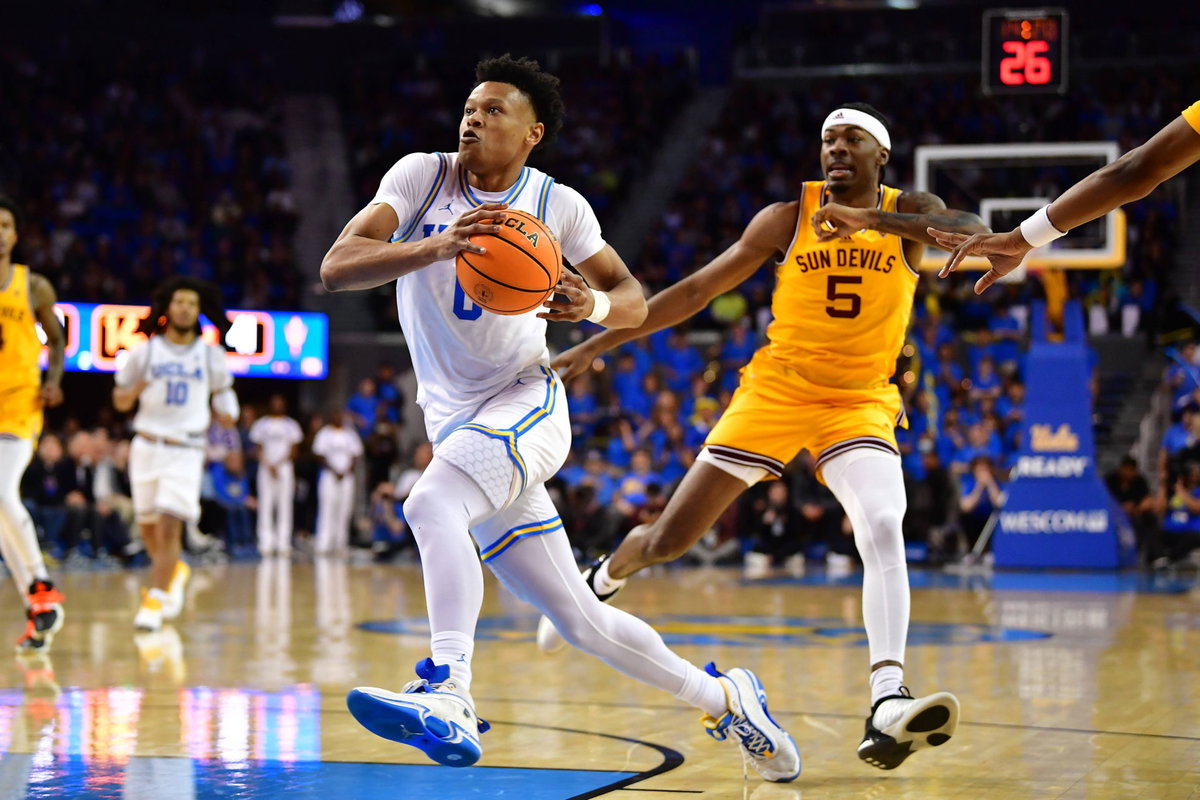
The transition from NCAA competition to the NBA requires a complex synthesis of physical refinement, psychological resilience, and institutional support. Jaylen Clark’s progression from the UCLA Bruins to the Minnesota Timberwolves illustrates the increasing premium placed on specialized defensive skill sets within contemporary roster construction.
As modern offensive efficiency trends upward, the ability to neutralize elite perimeter threats has become a non-negotiable asset. Clark’s deployment as a defensive specialist underscores a strategic shift: organizations are increasingly valuing role-specific defensive output over high-volume, generalized offensive production to maximize team efficiency.
Regional Ecosystems and Talent Pipelines
Southern California’s Inland Empire serves as a critical incubator for basketball talent. This geography facilitates a competitive feedback loop—comprising elite coaching, peer-to-peer competition, and rigorous training cycles—that accelerates athlete readiness for high-level collegiate programs. Clark’s development, bolstered by foundational support from his family, highlights how early-stage infrastructure and a stable domestic environment mitigate the volatility inherent in the transition to professional athletics.
The Economic Utility of Defensive Specialization
In the NBA’s salary-capped landscape, the defensive specialist is a strategic economic asset. By providing high-value perimeter defense, players like Clark enable front offices to allocate larger portions of the salary cap to high-usage offensive players. This division of labor is essential for creating a balanced roster, where the focus shifts from individual box-score statistics to systemic defensive ratings and team-level efficiency.
Digital Media and Brand Equity
The modern athlete occupies a dual role as both a performer and a media entity. By utilizing digital platforms to provide behind-the-scenes access, athletes like Clark disintermediate traditional media, allowing for greater control over their public narrative. This direct-to-consumer engagement functions as a driver of brand equity, linking the athlete’s public persona to their professional utility, thereby strengthening their long-term marketability and professional longevity.
Strategic Future Implications
Long-term success in the NBA is contingent upon tactical adaptability. As the game shifts toward faster paces and higher perimeter shooting percentages, the reliance on versatile, high-motor defenders will continue to grow. Organizations that successfully integrate these specialized roles into their broader framework are better positioned to achieve sustained competitive success.