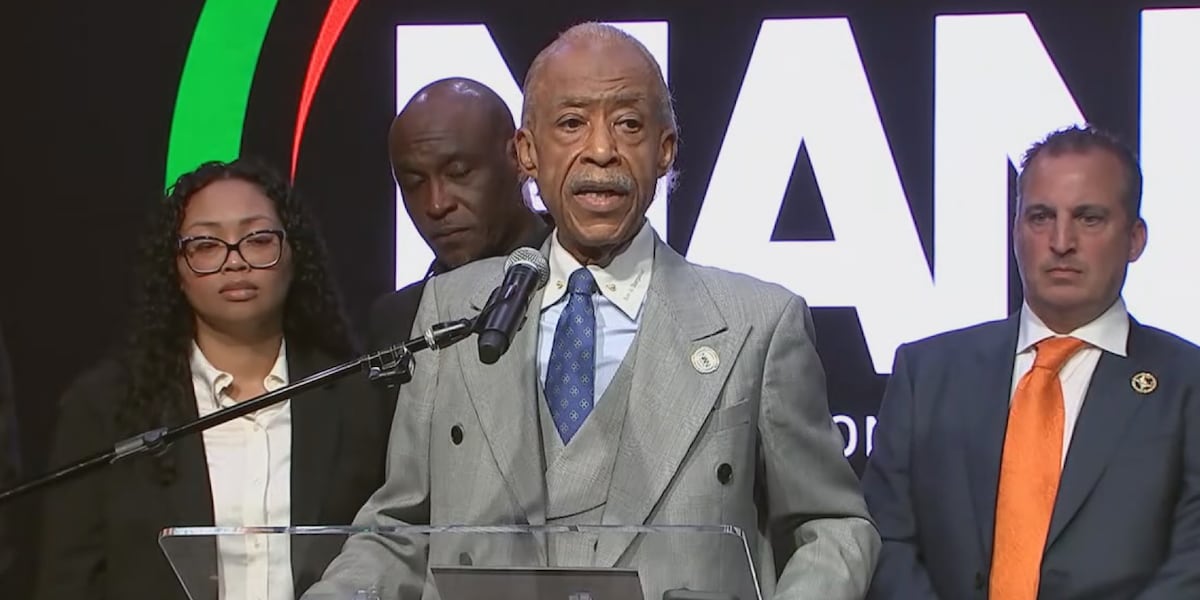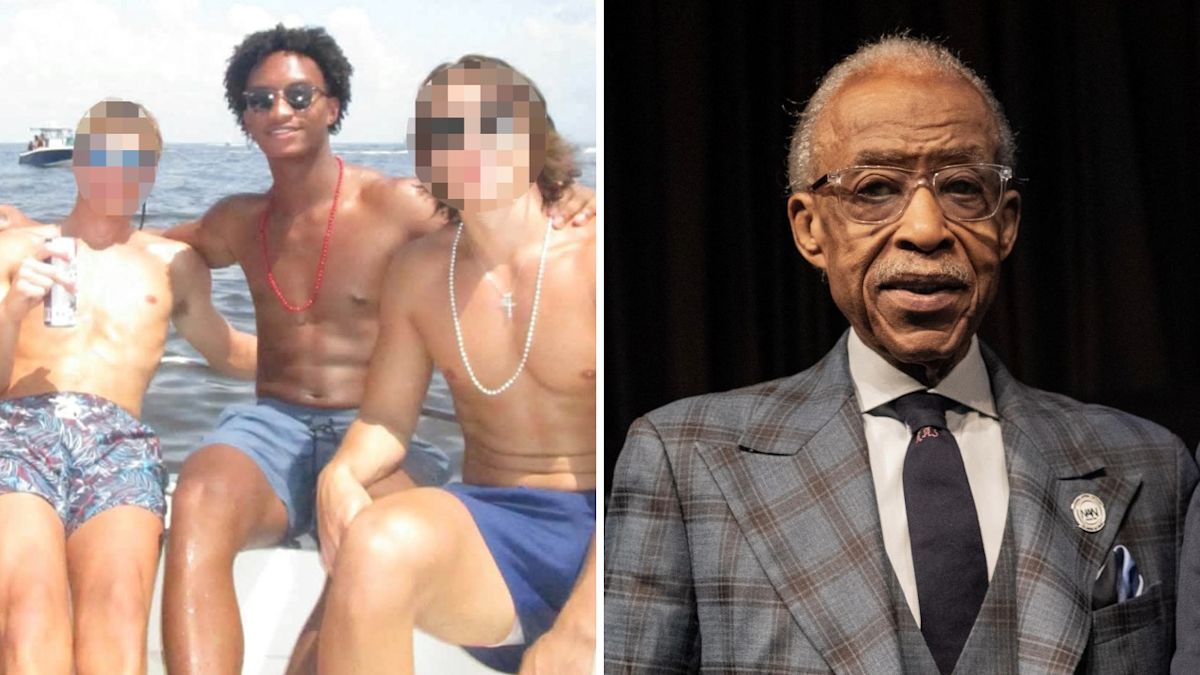
The litigious escalation between the Reverend Al Sharpton and three associates of the late Nolan Wells marks a significant intersection of civil rights advocacy and defamation tort law. On August 21, the Taylor and Cox Law Firm, alongside attorney Edward Andrew Paltzik, formalized a 19-page presuit demand letter on behalf of Morgan Seymour, Jax Pitalo, and Warren Hudson. This document serves as a mandatory procedural precursor to litigation, designed to allow the defendant to mitigate damages through retractions before a formal complaint enters a court of record. This shift signals a transition from social commentary to a judicial arena where the evidentiary burden will center on the factual accuracy of Sharpton’s characterizations.
The dispute originates from Sharpton’s July 14 TMZ interview and subsequent August remarks regarding the death of Wells, an 18-year-old Black man, during a Fourth of July excursion to Horn Island with his three white companions. The demand letter specifically targets Sharpton’s assertions that “no one comes forward” and his inquiry into whether the associates were “brought in for questioning under oath.” Counsel argues these statements are factually false, implying a lack of cooperation or potential culpability that has incited national vitriol against the plaintiffs.
Strategic Legal Implications
The exhaustive 19-page cataloging of public statements suggests the plaintiffs are laying the groundwork for an intensive discovery process. In defamation law, the status of the plaintiffs is a critical pivot; by framing Seymour, Pitalo, and Hudson as private individuals rather than public figures, the legal team seeks to lower the evidentiary threshold from “actual malice” to mere negligence. This strategic positioning aims to hold Sharpton accountable for perceived factual errors that resulted in immediate reputational harm.
Sharpton’s institutional response—welcoming the lawsuit—indicates a reliance on First Amendment protections for opinion and advocacy in matters of public concern. By inviting the service of process, Sharpton signals a willingness to use the legal system’s discovery phase to further scrutinize the circumstances of Wells’ death. This adversarial posture suggests that the civil litigation will likely run parallel to the official investigation, potentially complicating the acquisition of testimony and forensic evidence.
The Autopsy Vacuum and Grand Jury Delay
A central catalyst for this conflict is the ongoing evidentiary vacuum created by the Mississippi State Medical Examiner’s withheld autopsy report. Pending a grand jury review directed by the district attorney, the absence of an official cause of death has allowed conflicting narratives to proliferate. For the plaintiffs, this delay means defending their reputations against unverified allegations; for Sharpton and the Wells family, it justifies their calls for federal intervention and heightened transparency.
The grand jury acts as a procedural gatekeeper. Until its review concludes, the official narrative remains suspended, increasing the risk of defamatory exposure as public figures make assertions based on preliminary data. The eventual release of the autopsy will serve as the terminal pivot point for both the defamation claim and any potential criminal proceedings. Ultimately, this case underscores the volatility of high-profile death investigations in the digital age, where the boundaries between civil rights advocacy and individual reputational rights are increasingly litigated.