Technical Degradation: From Normal Law to Alternate Law
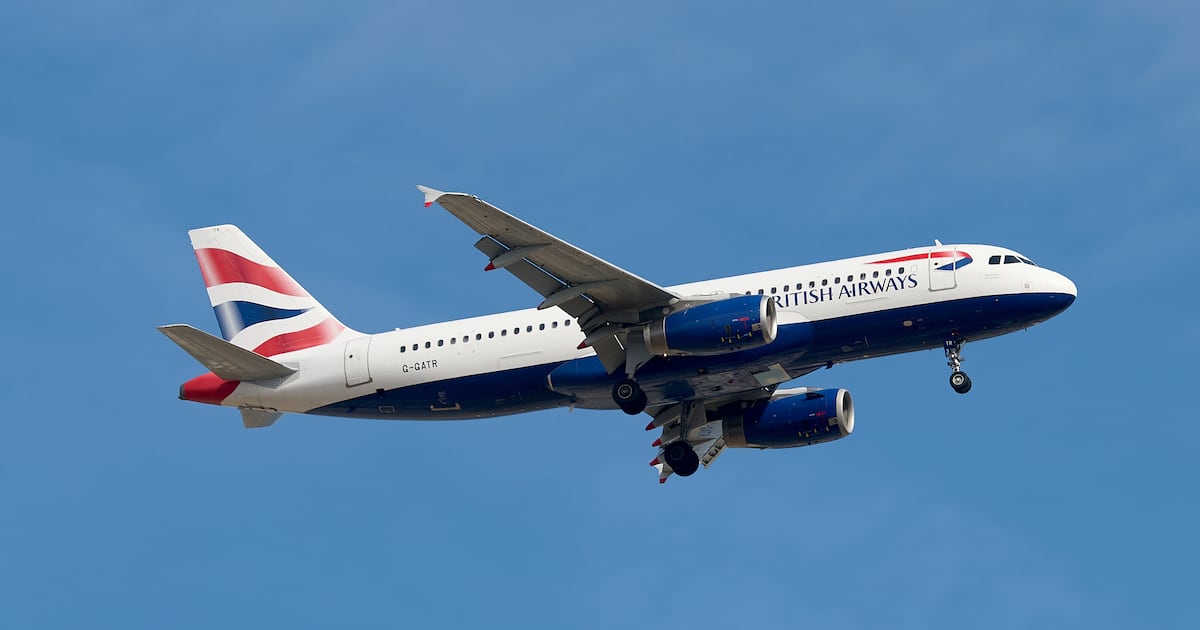
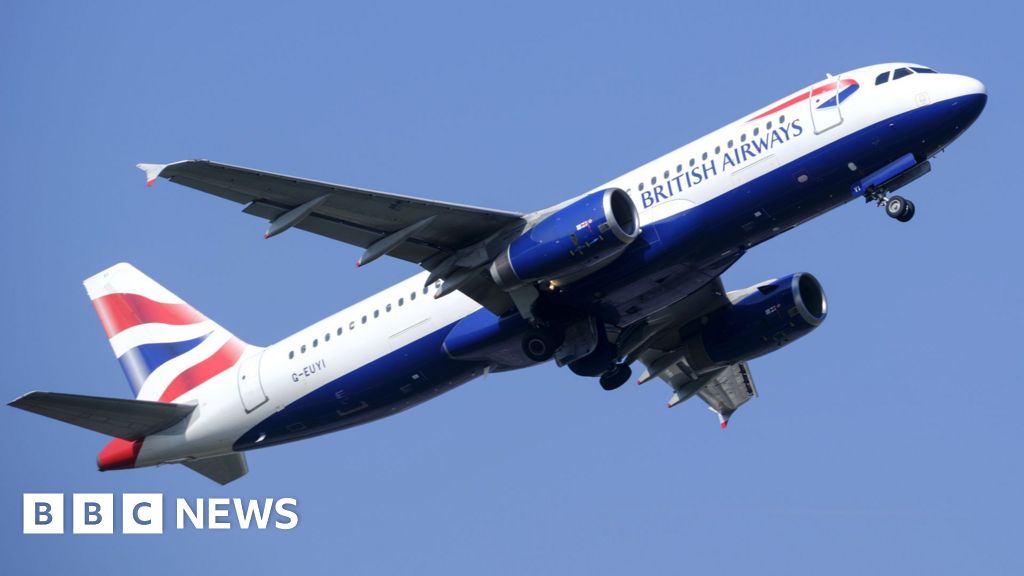
The Air Accidents Investigation Branch (AAIB) is scrutinizing a serious incident involving a British Airways Airbus A320-200 (flight BA919) that experienced a critical air data system failure during its approach to Heathrow. Positioned over the Canary Wharf financial district at approximately 3,000 feet, the aircraft’s primary airspeed indicators failed, triggering a transition from ‘Normal Law’ to ‘Alternate Law.’ This shift is significant; it strips the aircraft of its automated flight envelope protections, including stall and overspeed prevention, demanding immediate and precise manual handling from the flight crew.
The Mayday Escalation and Command Intervention
During the failure sequence, the cockpit was inundated with multiple alerts, including two distinct stall warnings. While the crew initially declared a ‘Pan-Pan’ urgency signal, the situation’s rapid deterioration necessitated an upgrade to a ‘Mayday’ distress call. This escalation provided the aircraft with absolute priority in the congested London terminal maneuvering area (TMA). Central to the investigation is the rare manual intervention by the Captain, who reportedly took control from the First Officer—a move indicative of a significant deviation from the intended flight path or a perceived inability to stabilize the aircraft in its degraded state.
‘Pilot Induced’ Dynamics and Aerodynamic Risk
The incident has been preliminarily categorized as ‘Loss of Control In-flight’ (LOC-I) and ‘Pilot Induced.’ These classifications suggest that while the initial catalyst was a hardware sensor failure, the subsequent control inputs contributed to the instability. In the high-density urban environment of London, the altitude margins for recovering from an aerodynamic stall are dangerously narrow. The AAIB, supported by France’s Bureau d’Enquêtes et d’Analyses (BEA), will utilize Flight Data Recorder (FDR) telemetry to determine the exact degree of pitch and bank deviation that occurred during the struggle to maintain level flight.
Systemic Implications for Automation Dependency
This event underscores the ‘automation paradox’ in modern aviation: as systems become more reliable, the rarity of their failure can lead to diminished manual proficiency during high-stress transitions. The fact that this incident nearly resulted in a ‘hull loss’—the total destruction of the aircraft—over a populated metropolitan area has prompted calls for a review of training protocols regarding ‘Alternate Law’ scenarios. For British Airways, the fallout includes not only regulatory scrutiny but also the operational cost of managing crew welfare, evidenced by the Captain being placed on stress leave following the high-stakes recovery.
Regulatory and Strategic Outlook
The final AAIB report will likely focus on the reliability of the A320’s Pitot-static systems and the human-machine interface logic during sensor disagreement. Beyond technical fixes, the investigation may influence global standards for Crew Resource Management (CRM) when automated protections are lost. Stakeholders, including the Civil Aviation Authority (CAA) and Airbus, are monitoring the case to determine if fleet-wide modifications or enhanced simulator training modules are required to mitigate the risks associated with sudden system-to-manual handovers.