
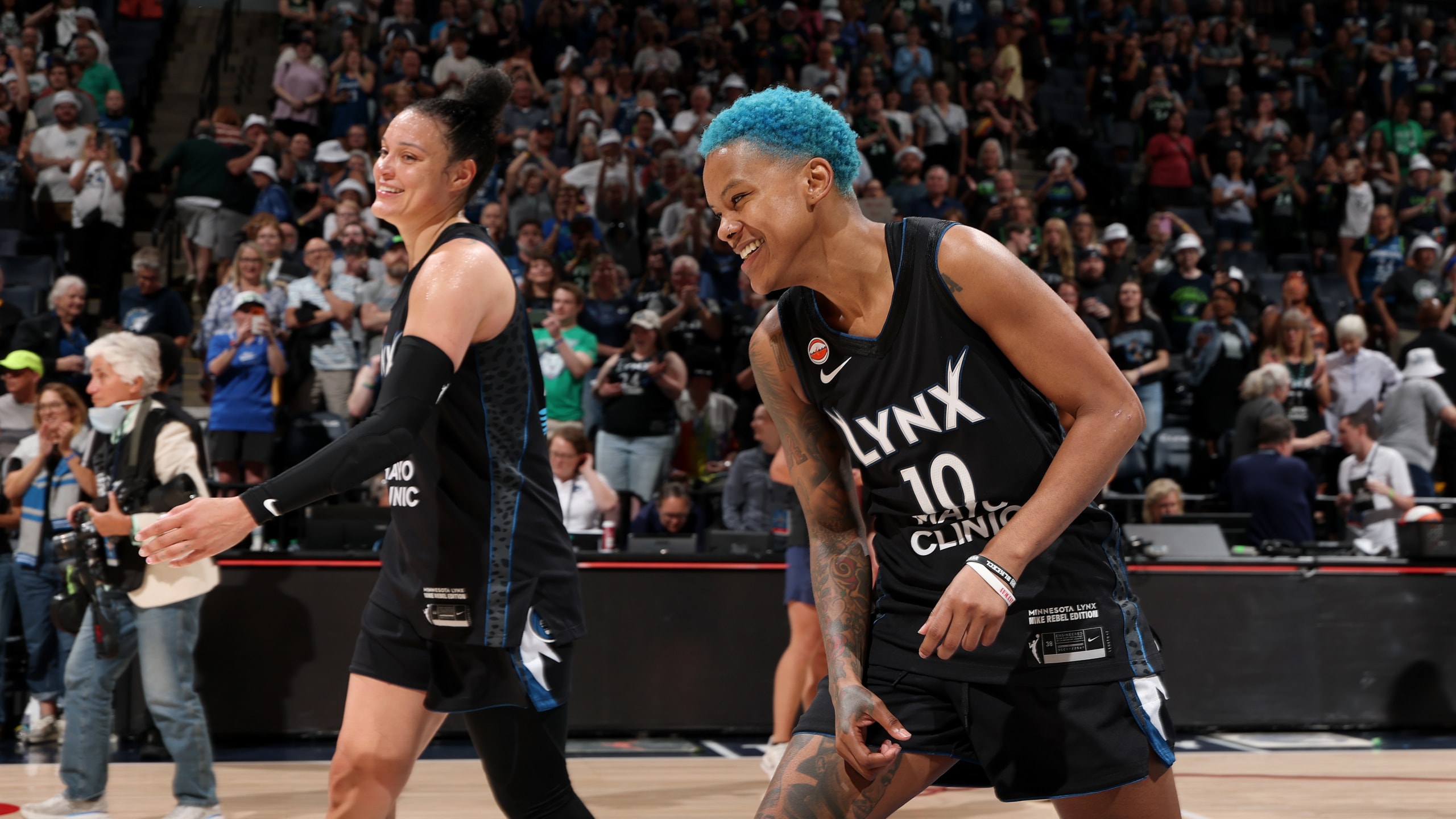
Lynx Solidify Interconference Lead with Back-to-Back Wins Against Tempo
The Minnesota Lynx have further cemented their commanding interconference position by achieving a second consecutive victory over the Toronto Tempo. This latest triumph, following a 100-93 win on July 28, 2026, underscores the Lynx’s consistent execution and strategic prowess against a challenged Tempo team. The Lynx’s sustained momentum and ability to secure road wins are critical indicators of their championship aspirations, demonstrating resilience and roster depth.
Toronto, now holding a 10-17 record, confronts significant operational hurdles, grappling with a four-game losing streak. Their recent home loss to Minnesota highlights systemic weaknesses in maintaining offensive consistency and defensive solidity against elite competition. The Tempo’s immediate strategic focus must shift towards internal adjustments and player development to mitigate further decline in their season standing.
Tempo’s Individual Offensive Efforts Mask Team Struggles
Despite the team’s overall difficulties, individual performances from the Toronto Tempo have shown sparks of offensive potential. Marina Mabrey’s 25-point, eight-rebound, six-assist outing in the July 28th loss, complemented by Maria Conde’s 20-point, 10-rebound effort, suggests latent scoring capability. However, these individual contributions have not coalesced into collective success, indicating a need for enhanced team synergy and optimized offensive flow.
The Tempo’s reliance on a few key players for offensive production exposes potential vulnerabilities in their overall depth and strategic offensive schemes. A persistent inability to convert individual scoring into team victories points to underlying structural issues in offensive play design or execution, which disciplined defensive units can readily exploit.
Lynx Showcase Offensive Prowess and Strategic Depth
Minnesota’s victory was largely driven by Olivia Miles, who delivered a standout performance with 24 points, six rebounds, and eight assists, showcasing her all-around impact. Kayla McBride added significantly with 18 points, four assists, and three steals, illustrating the Lynx’s multi-faceted offensive attack and defensive intensity. This balanced scoring and playmaking ability highlight the Lynx’s strategic advantage, enabling them to dictate game tempo and exploit opponent weaknesses.
The Lynx’s consistent offensive output and capacity to feature multiple scoring threats signify a well-coached and strategically astute team. This depth in offensive production provides a substantial competitive edge, positioning them as a formidable opponent adept at adapting to diverse game scenarios and defensive strategies.
Injury Reports Necessitate Potential Strategic Adjustments
The Minnesota Lynx’s injury report notes Emma Cechova as out, a minor but notable absence that tests the team’s roster depth. While Cechova’s unavailability is the sole listed concern for Minnesota, the team’s ability to maintain strong performance indicates a robust reserve unit and effective contingency planning.
The injury status of the Toronto Tempo, particularly concerning key players like Brittney Sykes and Nyara Sabally, presents a more critical strategic challenge. The potential absence of these players could significantly exacerbate their current losing streak and impact their ability to compete effectively against strong opposition. Tempo’s front office and coaching staff face pivotal decisions regarding player management and strategic adjustments in light of these potential personnel limitations.
Interconference Performance and Stakeholder Implications
The consecutive victories by the Minnesota Lynx against the Toronto Tempo carry tangible implications for their league standing. This winning streak reinforces their position as top contenders, potentially influencing playoff seeding and driving greater fan engagement and media attention.
For the Toronto Tempo, the ongoing losing streak and the potential impact of injuries raise concerns among stakeholders, including ownership, sponsors, and the fanbase. The team’s performance trajectory will be closely scrutinized, with increasing pressure to demonstrate progress and strategic direction to reverse the negative trend.
Strategic Positioning and Market Impact
The Minnesota Lynx’s consistent success, even with minor injury considerations, reflects a robust organizational strategy focused on player development, talent acquisition, and cohesive team play. This approach not only yields on-court results but also enhances their market positioning, potentially boosting sponsorship opportunities and broadcast value.
Conversely, the Toronto Tempo’s struggles highlight the critical importance of roster management and strategic adaptability in a competitive league. Their current situation may necessitate a re-evaluation of long-term strategic planning, potentially involving player trades, coaching staff adjustments, or a renewed emphasis on youth development to secure future competitiveness.
League Dynamics and Fan Engagement Implications
The Minnesota Lynx’s sustained dominance contributes to a narrative of established franchises setting the league’s pace. This can foster excitement and anticipation among fans regarding championship contention, while also establishing a benchmark for other teams.
The Toronto Tempo’s performance, however, risks reduced fan engagement and media coverage if a turnaround is not imminent. This can affect ticket sales, merchandise revenue, and the overall economic health of the franchise, underscoring the interconnectedness of on-court success and business viability in professional sports.
Operational Resilience and Roster Depth as Key Differentiators
The Lynx’s capacity to navigate the league with only one player listed on the injury report, while still securing decisive victories, speaks volumes about their operational resilience. This suggests a well-developed system for player conditioning, injury prevention, and effective utilization of their entire roster, conferring a significant strategic advantage.
The Tempo’s situation, where the potential absence of multiple key players could critically impact their competitive capacity, highlights the risks associated with over-reliance on a narrow talent pool. This emphasizes the strategic imperative for all teams to cultivate depth and ensure operational plans can withstand personnel fluctuations without compromising performance.
Capital Investment and Franchise Value
Consistent winning by franchises like the Minnesota Lynx can attract substantial capital investment, both from team ownership and external sources keen on the burgeoning value of successful sports entities. This financial momentum can further fuel team development, infrastructure enhancements, and talent acquisition, creating a virtuous cycle of success.
For teams experiencing prolonged periods of underperformance, such as the Toronto Tempo, attracting or retaining capital can become more challenging. Investors and sponsors may adopt a more cautious stance, awaiting demonstrable signs of strategic improvement and competitive viability before committing resources, thereby impacting the team’s financial flexibility and long-term growth potential.
Performance Leverage and Competitive Edge
The Minnesota Lynx are leveraging their strong performance to build a significant competitive advantage, impacting not only wins and losses but also the psychological state of opponents. Repeatedly defeating a team, particularly on their home court, can erode opponent confidence and establish a mental edge for the winning side.
The Toronto Tempo, conversely, are experiencing negative performance leverage, where each loss can compound pressure and potentially lead to a decline in team morale. This creates a challenging environment for player development and strategic implementation, hindering their ability to break out of a losing cycle.
Media Narrative and Public Perception Management
The Minnesota Lynx are poised to be the subject of positive media narratives, focusing on their consistent performance, strong leadership, and championship aspirations. This favorable coverage can enhance brand visibility and attract a broader audience.
The Toronto Tempo, however, face the risk of a negative media narrative, centered on their losing streak and injury concerns. This can shape public perception, potentially leading to increased criticism and diminished interest from casual observers, unless a significant turnaround occurs.
Long-Term Strategic Outlooks for Both Franchises
For the Minnesota Lynx, the current trajectory suggests a sustained period of competitiveness, with strategic planning likely focused on maintaining roster strength and continuing to innovate their playstyle. Their organizational structure appears robust enough to sustain success over multiple seasons.
The Toronto Tempo’s long-term outlook hinges on their ability to address the systemic issues contributing to their current performance. Strategic decisions regarding player personnel, coaching, and overall team philosophy will be critical in determining their path back to competitiveness and ensuring franchise viability.
Industry Benchmarks and Competitive Positioning
The Minnesota Lynx’s consistent performance within the league’s evolving landscape of team strategies and player movements sets a high benchmark for operational excellence and competitive positioning. Their ability to maintain a winning record demonstrates effective adaptation to the league’s dynamic environment.
The Toronto Tempo’s current standing, marked by a losing streak and injury concerns, places them at a disadvantage relative to league benchmarks. Their strategic challenge involves identifying and implementing measures to close the performance gap and re-establish a competitive presence within the league’s established hierarchy.
Capital Allocation and Resource Management Strategies
The success of the Minnesota Lynx likely allows for more strategic capital allocation, enabling investments in player development programs, advanced analytics, and player retention through competitive contracts. This efficient resource management is characteristic of well-run organizations.
For the Toronto Tempo, current performance may necessitate a more cautious approach to capital allocation, potentially prioritizing immediate needs over long-term investments. The effectiveness of their resource management will be a key determinant in their ability to navigate current challenges and build for the future.
Performance Leverage and Competitive Cycles
The Minnesota Lynx are currently in a phase of positive performance leverage, where on-court success amplifies their competitive advantage and strengthens their league position. This momentum is a significant factor in attracting talent and maintaining team cohesion.
The Toronto Tempo, conversely, are experiencing a period of negative performance leverage, where a series of losses can create a challenging cycle of diminished confidence and increased pressure. Breaking this cycle requires significant strategic intervention and sustained effort to rebuild momentum.
Stakeholder Confidence and Market Perception
The consistent winning of the Minnesota Lynx fosters strong stakeholder confidence, from ownership and investors to the fanbase and corporate partners. This positive perception is crucial for long-term franchise stability and growth.
The Toronto Tempo’s current situation may lead to diminished stakeholder confidence, necessitating clear communication and a transparent strategy for improvement. Rebuilding trust and demonstrating a clear path forward will be paramount for retaining support and attracting future investment.
Strategic Imperatives for Sustained Competitiveness
The Minnesota Lynx’s strategic imperative will likely involve maintaining their current level of performance, potentially through targeted acquisitions or player development to address any emerging weaknesses. Their focus will be on sustained excellence and championship contention.
For the Toronto Tempo, the strategic imperative is clear: to reverse their current trajectory through decisive action. This may involve significant roster adjustments, strategic coaching changes, or a fundamental re-evaluation of their team’s identity and playing style to ensure future competitiveness.
Operational Efficiency and Roster Depth as Indicators
The Lynx’s ability to win consistently, even with a minor injury, points to high operational efficiency and a deep roster capable of absorbing personnel changes. This suggests a well-drilled system where players can seamlessly step into roles and perform effectively.
The Tempo’s potential reliance on a few key players, as indicated by the injury report’s focus on Sykes and Sabally, highlights a possible lack of roster depth. This can create significant operational challenges when key personnel are unavailable, directly impacting their competitive capacity.
Franchise Valuation and Capital Investment
The sustained success of the Minnesota Lynx likely contributes to a higher franchise valuation, making them an attractive asset for potential investors and a stable entity for current ownership. This financial strength underpins their ability to invest in future success.
The Toronto Tempo’s current performance may place downward pressure on their franchise valuation, potentially impacting their ability to secure favorable financing or attract new investment. Demonstrating a clear path to improvement is crucial for enhancing their market value.
Competitive Cycles and Strategic Adaptation
The Minnesota Lynx appear to be navigating a favorable competitive cycle, leveraging current strengths to maximize on-court advantage. Their strategic adaptation likely focuses on refining existing strengths rather than addressing fundamental weaknesses.
The Toronto Tempo are in a challenging competitive cycle, requiring significant strategic adaptation to overcome their current performance deficit. Their ability to identify and implement effective changes will be critical for their long-term viability.
Media Exposure and Brand Building
The Minnesota Lynx’s winning streak will undoubtedly generate positive media exposure, enhancing their brand and appeal to a wider audience. This increased visibility can translate into greater fan engagement and commercial opportunities.
The Toronto Tempo face the challenge of managing their public image during a losing streak. Strategic communication and a focus on future potential will be important to mitigate negative perceptions and maintain brand integrity.
Long-Term Strategic Planning and Franchise Sustainability
The Minnesota Lynx’s current success suggests a well-executed long-term strategic plan prioritizing consistent performance and sustainable growth. Their organizational structure appears designed for enduring competitiveness.
The Toronto Tempo’s immediate future hinges on their ability to develop and execute a strategic plan that addresses their current performance issues. Franchise sustainability will depend on their capacity to adapt and evolve in a highly competitive league environment.

Photo by NickyPe on Pixabay.