Theatrical Launch and Market Position
The cinematic release of Spider-Man: Brand New Day marks a vital commercial milestone for the industry. Positioned as a major box-office driver ahead of the December release of Avengers: Doomsday, the film enters theaters with preview showings preceding its wider distribution schedule. This release window places the property at the center of commercial expectations within the broader entertainment landscape.
As the final Marvel Cinematic Universe release prior to the confrontation with Doctor Doom, the film occupies a critical structural position within the studio’s release schedule. Industry analysts monitor such tentpole deployments closely for signals regarding consumer demand and box-office momentum, making its commercial performance a primary indicator of theatrical health.
Narrative Continuity and Character Isolation
The narrative framework of Spider-Man: Brand New Day establishes a clear departure from previous ensemble-heavy entries by isolating its central protagonist. Set four years after the events of Spider-Man: No Way Home, the plot centers on Peter Parker living entirely alone. This solitary status results from the drastic memory-wipe measures taken to safeguard the multiverse, erasing his identity from associates including MJ, Ned, and the Avengers.
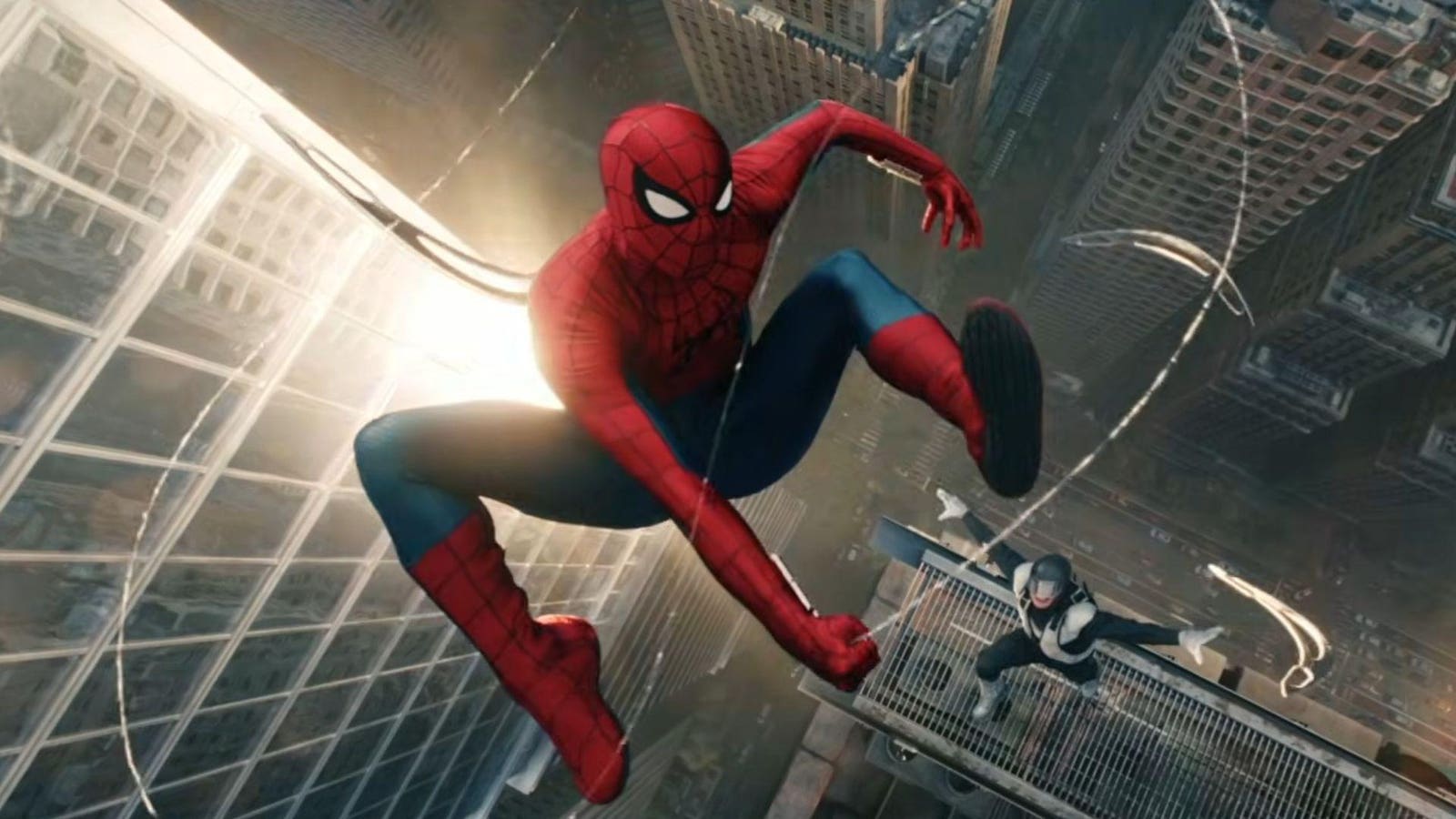
This premise creates a ground-level narrative focus contrasting sharply with cosmic-stakes spectacles. Operating independently with a police scanner and a modified suit, Parker navigates the daily realities of protecting New York City while managing severe personal isolation, exploring the operational and emotional consequences of total anonymity in a gritty urban environment.
Internal Transformations and Conflict Dynamics
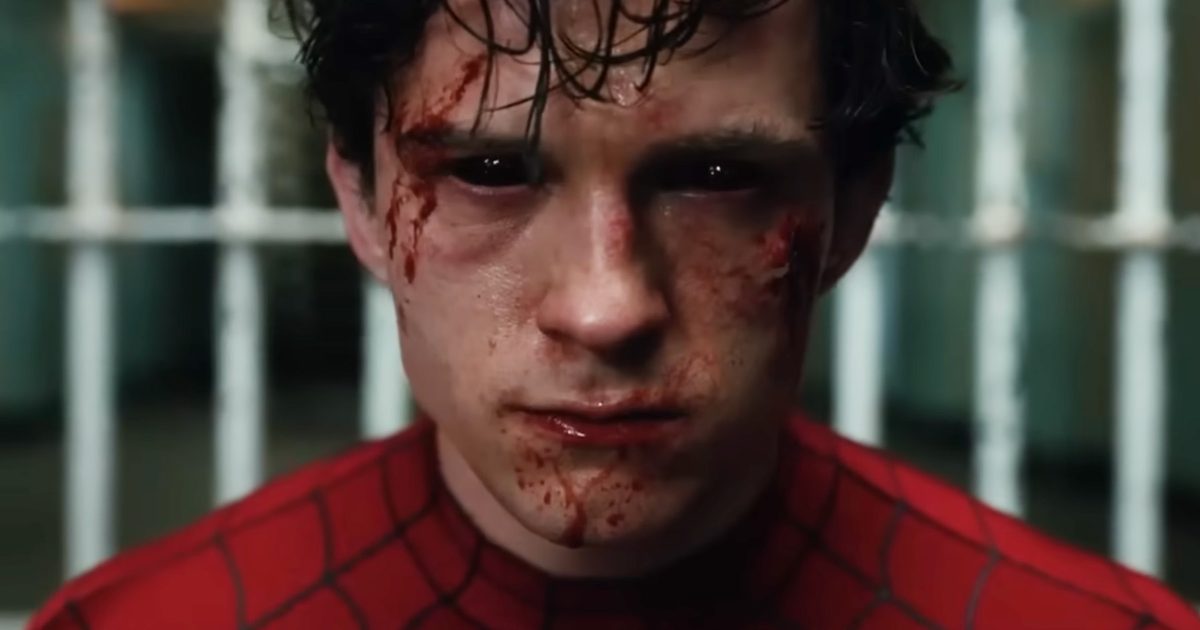
Beyond traditional street-level crime-fighting, the film introduces an internal biological conflict for the protagonist. The plot follows Peter Parker attempting to unravel a mysterious physiological transformation causing him to exhibit involuntary spider-like traits. This escalation adds a layer of vulnerability, complicating his efforts to maintain order.
The integration of these physical anomalies shifts the nature of the obstacles faced by the hero, moving beyond external threats to include internal deterioration. Such conflicts demand a recalibration of tactical approaches, forcing the protagonist to confront physiological changes while managing active adversary encounters, thereby driving the central narrative tension.
Strategic Integration within the Cinematic Universe
The strategic positioning of Spider-Man: Brand New Day extends beyond standalone storytelling to function as a narrative bridge toward broader institutional arcs. Serving as the immediate precursor to Avengers: Doomsday, the film bears the structural responsibility of setting the stage for subsequent multi-hero events, highlighting the interconnected methodology of modern blockbuster franchises.
Distribution and exhibition stakeholders evaluate these narrative linkages for their capacity to sustain long-term audience engagement. By transitioning from localized conflicts back toward massive crossover potential, the property maintains its utility as a primary engine for studio revenue, directly impacting the trajectory of subsequent chapters involving major antagonists like Doctor Doom.