Rhode Island Overwhelmed by Record-Breaking Blizzard of 2026
The Blizzard of 2026 has made history in Rhode Island, dropping a staggering 37.9 inches of snow at T.F. Green International Airport by 7 p.m. on Monday, February 23, 2026. This monumental snowfall far exceeds the previous record of 28.6 inches set during the historic 1978 blizzard (February 6-7, 1978).
The intensity of the 2026 storm is further highlighted by a new single-day snowfall record. Monday alone saw 35.5 inches of snow, shattering the prior daily record of 19 inches from January 8, 1996, indicating an unprecedented rate of accumulation within a compressed timeframe.
State of Emergency and Travel Restrictions Extended
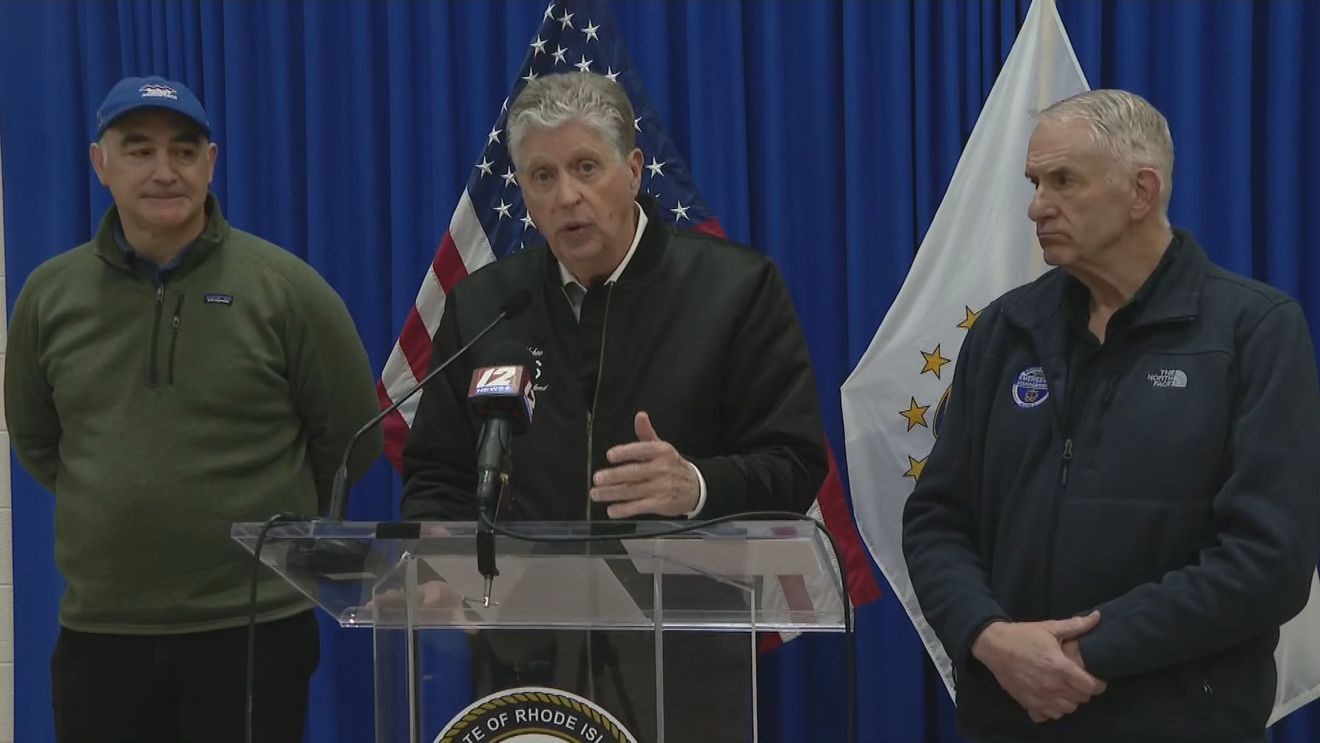
In response to the widespread impact and hazardous conditions, Governor Dan McKee has extended the state of emergency and the associated travel ban through Tuesday morning. This critical measure allows essential plowing and response crews the necessary time and space to clear roadways, a prerequisite for restoring normal transit and economic functions.
The closure of state offices through Tuesday afternoon underscores the pervasive disruption. This administrative action prioritizes employee safety and acknowledges the ongoing challenges in accessing and operating government facilities due to the storm’s lingering effects.
Infrastructure Damage and Restoration Underway
Rhode Island Energy President Greg Cornett confirmed that damage assessment to the power grid began Monday afternoon. Full power restoration is anticipated to take up to 72 hours, indicating the significant scale of infrastructure damage and the logistical complexities involved in repairing the energy network.
The governor’s prior emphasis on public adherence to road restrictions proved vital. Incidents involving crashes and disabled vehicles during the storm’s peak diverted critical resources, hindering plowing operations and exacerbating impacts on public safety and infrastructure recovery efforts.
Economic and Operational Disruptions Mount
The extended state of emergency and travel ban have immediate and significant economic consequences. Widespread business closures, supply chain interruptions, and employee inability to reach workplaces translate into quantifiable economic losses across Rhode Island’s sectors. The prolonged nature of these disruptions impacts consumer spending, retail operations, and the broader service industry.
Emergency services, transportation networks, and utility providers face immense operational strain. The sustained allocation of resources for post-storm management diverts attention and capital from other critical public services and infrastructure maintenance, potentially creating cascading effects on long-term planning and investment.
Historical Context and Future Preparedness Re-evaluation
Comparing the Blizzard of 2026 to the 1978 storm provides crucial historical context. The sheer magnitude of the 2026 event suggests a potential shift in the frequency or intensity of extreme weather patterns, necessitating a re-evaluation of current emergency preparedness protocols and infrastructure resilience standards.
This record-breaking snowfall demands a strategic review of urban planning, infrastructure design, and emergency response frameworks. Future investments in snow removal technology, public communication systems, and resilient infrastructure are essential to mitigate the impact of similar events and enhance the state’s capacity to withstand and recover from extreme meteorological conditions.
Stakeholder Impact and Risk Management Necessities
Residents face immediate challenges including potential power outages, limited access to essential services, and disrupted daily routines. Households will bear financial burdens from property damage, lost wages, and increased utility costs, highlighting the need for robust social support and recovery frameworks.
Businesses confront direct losses from closures and indirect impacts from supply chain disruptions and reduced consumer demand. The insurance industry anticipates a surge in claims for property damage and business interruption, potentially leading to adjustments in future premium structures and risk assessments for weather-related events.
Governmental and Institutional Response Coordination
The state government’s prompt declaration and extension of the state of emergency demonstrate a commitment to crisis management. However, the effectiveness of these measures hinges on the swift and efficient deployment of resources for snow removal, power restoration, and public assistance, requiring seamless coordination between state agencies, local municipalities, and private sector partners like Rhode Island Energy.
The National Weather Service’s role in providing accurate, timely forecasting is paramount. Their data not only informs immediate emergency responses but also contributes to long-term climate research and the development of more sophisticated predictive models, crucial for enhancing future preparedness and mitigating the economic and social costs of extreme weather.
Media Narrative Shapes Public Perception and Response
Media coverage emphasizing the record-breaking nature of the Blizzard of 2026 shapes public perception and underscores the event’s severity. This narrative is critical for garnering public support for emergency measures, encouraging compliance with safety directives, and advocating for necessary investments in infrastructure and preparedness.
Reporting on gubernatorial press briefings and statements from Rhode Island Energy officials provides transparency regarding ongoing challenges and response efforts. This communication strategy is vital for managing public expectations, maintaining confidence in governmental leadership, and fostering collective responsibility during and after the crisis.
Long-Term Economic and Social Resilience Building
Economic repercussions extend beyond immediate losses, potentially affecting Rhode Island’s attractiveness for investment and tourism if such extreme events become more frequent or severe. Building long-term resilience requires integrating climate adaptation measures into economic development and urban planning policies.
Socially, the event tests community cohesion and mutual aid networks. The shared experience of overcoming a significant natural disaster can foster stronger community bonds but also highlights existing vulnerabilities and inequalities, necessitating targeted interventions for equitable recovery and future preparedness.
Strategic Infrastructure Investment Imperatives
The immense snow volume and its impact on infrastructure, particularly the power grid, necessitate a strategic re-evaluation of capital investments. Utilities and government bodies face increased pressure to upgrade aging infrastructure, implement robust grid hardening, and explore distributed energy solutions for enhanced resilience during extreme weather.
The financial implications for infrastructure upgrades are substantial. Decisions on allocating public and private capital will be influenced by perceived risk and the long-term economic benefits of enhanced resilience, potentially leading to new financing models and public-private partnerships focused on climate adaptation.
Policy Considerations and Regulatory Framework Adjustments
The Blizzard of 2026 may prompt policy reviews of building codes, zoning regulations, and emergency management protocols. Jurisdictions might consider mandating stricter snow load capacity standards for new constructions and implementing dynamic emergency response plans accounting for the increasing likelihood of extreme weather.
Regulatory frameworks for utility operations and infrastructure maintenance could also face scrutiny. Ensuring utility companies are adequately capitalized and operationally prepared for severe weather impacts will be a key consideration for state and federal regulators, potentially leading to revised performance standards and oversight.
Inter-State Relations and Regional Preparedness
While Rhode Island is directly impacted, neighboring states and regional transportation networks are also affected. Efficient regional coordination in snow removal, resource sharing, and traffic management significantly influences recovery speed and broader economic impact across the Northeast corridor.
The event may highlight disparities in preparedness and response capabilities among states, influencing future inter-state collaborations and regional resilience strategies. Sharing best practices and coordinating critical infrastructure investments can yield more effective outcomes for the entire region.
Technological Advancements in Weather Prediction and Response
The accuracy of National Weather Service forecasts is critical for effective preparation. Advances in meteorological technology, including satellite imagery, advanced modeling, and real-time data analysis, provide essential lead time for implementing emergency measures and mobilizing resources.
Beyond prediction, technology is vital for response and recovery. Innovations in snow removal equipment, communication platforms for coordinating emergency services, and data analytics for damage assessment and repair prioritization are essential for modern, effective disaster response.
Financial Markets and Insurance Sector Exposure Analysis
Financial markets will closely monitor the economic fallout, especially its impact on regional indicators and specific industries. The insurance sector, in particular, faces significant claims, potentially affecting profitability and influencing the availability and cost of weather-related risk insurance.
Long-term financial implications may include increased municipal bond yields for states perceived as more vulnerable to extreme weather, alongside shifts in institutional investor strategies to mitigate climate-related portfolio risks.
Public Health and Safety Imperatives During Extreme Weather
Beyond immediate travel and power outage safety, extreme weather events pose broader public health risks, including hypothermia, carbon monoxide poisoning from improper heating, and disruptions to healthcare services, demanding coordinated public health responses.
The psychological impact on residents, including stress and anxiety from property damage, power loss, and prolonged disruption, is significant. Mental health support services will be crucial for communities coping with the aftermath of such a severe event.
Environmental Impact and Sustainability Considerations
While immediate recovery is the focus, extreme weather events also raise environmental impact and sustainability questions. Increased fossil fuel use for heating during outages, snow/debris disposal, and potential habitat damage warrant consideration in recovery and rebuilding.
The event may catalyze discussions on climate change adaptation and mitigation, encouraging greater emphasis on sustainable infrastructure development and renewable energy solutions to reduce vulnerability to extreme weather.
Future Planning and Investment in Resilience Strategies
The Blizzard of 2026 serves as a stark reminder of increasing extreme weather event frequency and intensity. This necessitates a forward-looking approach to planning and investment, prioritizing resilient infrastructure, robust emergency management systems, and adaptive community strategies.
Lessons learned from this record-breaking event will be crucial for shaping future policy, resource allocation, and public preparedness initiatives, ensuring Rhode Island and other vulnerable regions are better equipped for a changing climate.