Strategic Scaling of the Pokémon Intellectual Property
As the 30th anniversary on February 27, 2026, approaches, The Pokémon Company (TPC) is executing a pivot from legacy gaming franchise to a permanent pillar of global cultural infrastructure. This milestone represents a sophisticated deployment of intellectual property (IP) designed to maximize brand equity across heterogeneous demographic segments. By securing tier-one endorsements from figures like Lady Gaga and Trevor Noah, TPC signals a transition toward a premium, mainstream positioning that mitigates the niche risks of traditional gaming audiences.
The anticipated Super Bowl advertising campaign serves as a high-capital entry point into a multi-year marketing cycle. This strategy utilizes mass-media reach to re-assert dominance within the competitive attention economy, leveraging “heritage brand” status to stabilize the long-term lifetime value (LTV) of adult consumers while simultaneously capturing younger cohorts through high-frequency digital engagement.
Visual Taxonomy and Mass Personalization
A cornerstone of the anniversary strategy is the production of over 1,000 unique logos—covering every distinct species, including regional and Paradox variants. This granular creative undertaking functions as a data-driven engagement tool, fostering individual fan investment through hyper-personalized brand interactions. The design architecture, which integrates elemental type-coding into a stylized “30” motif, reinforces the franchise’s internal logic across all decorative assets.
Distribution through gamified social channels, such as the Poké Times X account, transforms the audience into active participants in the marketing funnel. By incentivizing organic reach through randomized asset distribution, TPC creates a self-sustaining cycle of content generation that reduces customer acquisition costs and strengthens brand recall across digital platforms.
Retail Diversification and Lifestyle Integration
The strategic partnership with BoxLunch underscores a shift toward the “fandom retail” sector, prioritizing high-margin lifestyle categories. By expanding beyond traditional toys into apparel, accessories, and home goods—such as the Loungefly Eevee backpack and Pikachu-themed kitchenware—the brand is successfully capturing a larger share of adult discretionary spending. This “lifestyle integration” model reduces revenue sensitivity to software release cycles, creating consistent cash flow through diversified retail channels.
Furthermore, targeting the “kidult” demographic is essential for navigating the current hobby industry landscape. This approach ensures the 30th-anniversary momentum is converted into a tangible, pervasive physical presence in major commercial environments, solidifying Pokémon’s status as an aesthetic utility rather than a purely speculative collectible.
Trading Card Game (TCG) Dynamics and Market Correction
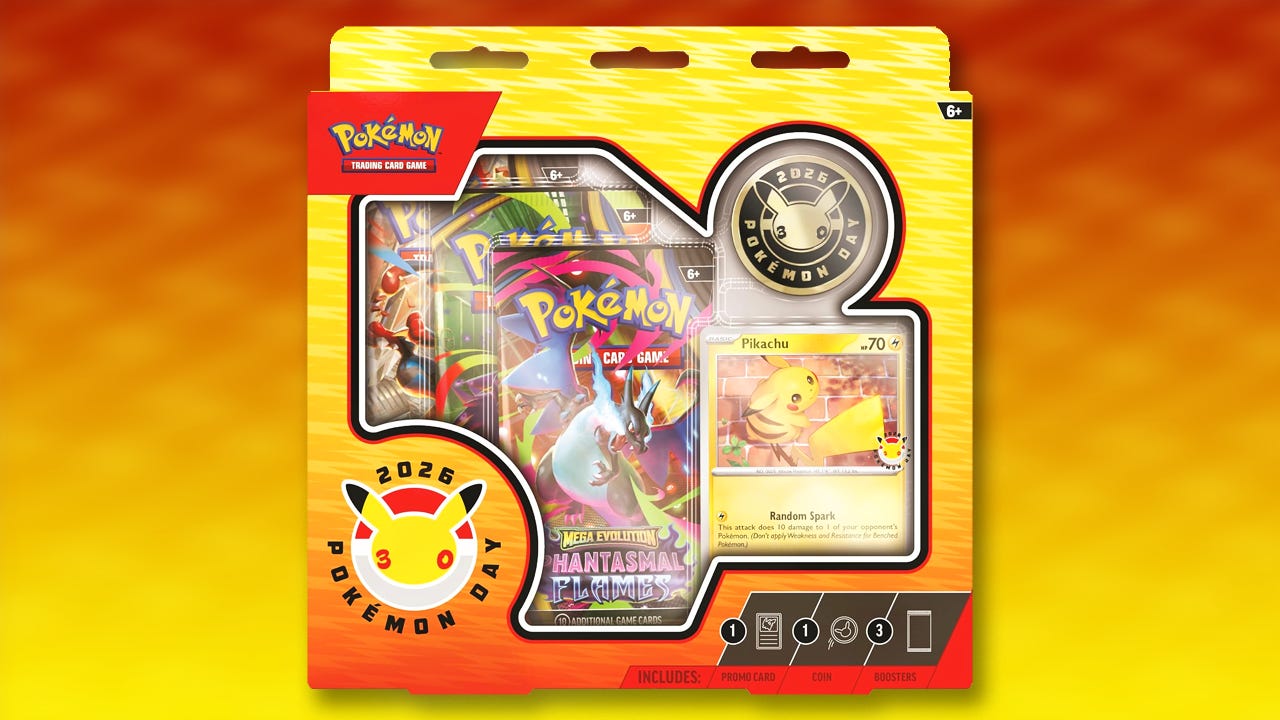
The release of the 30th Anniversary Pokémon Day TCG Collection provides a case study in secondary market price discovery. Initially launched at a retail price of $49.99, the set experienced significant volatility, with TCGplayer data recording a low of $18.79—a 58.87% correction. This decline indicates an initial period of oversupply and a necessary adjustment of speculative demand.
The subsequent recovery to approximately $26.98 suggests the market is identifying a sustainable price floor as organic demand from active players absorbs inventory. The inclusion of booster packs from the Phantasmal Flames and Mega Evolution sets ensures the product retains competitive utility, balancing collectibility with gameplay meta-relevance to maintain long-term liquidity within the TCG ecosystem.
Infrastructure Branding and Global Momentum
In the domestic Japanese market, TPC is utilizing infrastructure-based marketing to create an ambient brand environment. Deploying anniversary branding in high-traffic hubs like Osaka Namba Station integrates the IP into the urban fabric, while hospitality collaborations for themed hotel rooms leverage the brand as a driver for experiential tourism. This strategy aligns corporate interests with national tourism initiatives, framing the franchise as a cultural ambassador.
Ultimately, the 30th anniversary reflects TPC’s strategic maturity. By balancing historical reverence—highlighted through the promotion of legacy titles like Pokémon FireRed and LeafGreen—with aggressive modern retail expansion and mass-personalization tactics, the organization is positioning itself to remain a dominant force in the global entertainment landscape for the next several decades.