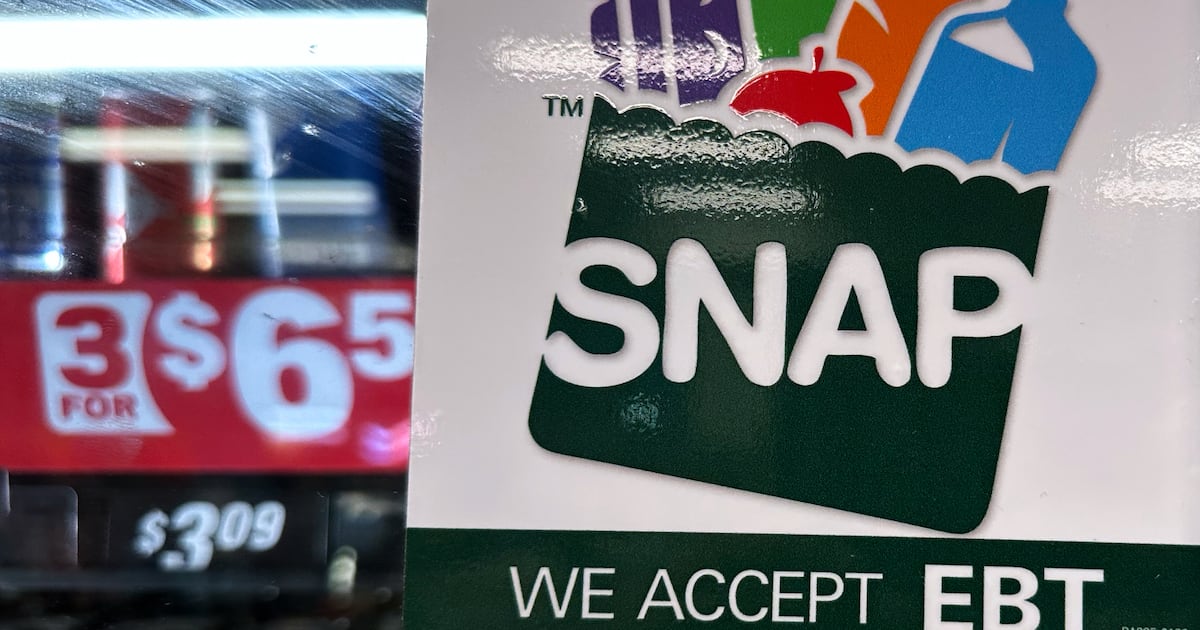
A federal judge has significantly curtailed the executive branch’s authority to reshape the Supplemental Nutrition Assistance Program (SNAP), halting efforts to restrict certain food items. U.S. District Judge Amy Berman Jackson ruled that the U.S. Department of Agriculture (USDA) exceeded its statutory authority by permitting states to exclude sugary drinks and candy from the $100 billion federal aid program.
Judicial Rejection of USDA’s Expanded Authority
Judge Jackson’s ruling centers on the USDA’s administrative limits, specifically its waiver process that had enabled nearly two dozen states to redefine eligible food items. The court found that the agency failed to adhere to established federal regulations, determining that the desire to improve SNAP recipient health does not empower the executive branch to bypass existing law.
The legal challenge successfully argued that the USDA cannot unilaterally alter program scope through state-level pilot projects. By attempting to redefine “food” to exclude categories like soda and candy, the administration overstepped congressional authority. This judicial intervention underscores the critical tension between ambitious public health agendas and the rigid structures of administrative law, emphasizing that the ruling pertains to regulatory boundaries, not the merits of the health policy itself.
Strategic Setback for the MAHA Initiative
This judicial defeat poses a significant operational and strategic challenge to the “Make America Healthy Again” (MAHA) movement, a cornerstone of the administration’s domestic policy, spearheaded by Health and Human Services Secretary Robert F. Kennedy Jr. and Agriculture Secretary Brooke Rollins. The initiative aimed to leverage SNAP’s scale to combat chronic diseases like obesity and diabetes by restricting access to ultra-processed foods.
The failure to secure these dietary changes through executive waivers indicates that achieving MAHA’s long-term objectives may now necessitate legislative action from Congress. The ruling exposes the difficulty of implementing broad health mandates within programs serving diverse populations with varied medical needs, reinforcing that SNAP’s primary function, as legally defined, is food access rather than nutritional engineering.
Operational Stability for the SNAP Ecosystem
The ruling prevents a fragmented landscape of state-specific food definitions, which would have imposed considerable operational hurdles for retailers and administrators. The current uniform federal standard ensures consistency in SNAP benefit distribution nationwide. The proposed bans would have introduced administrative friction, potentially increasing program delivery costs for both state agencies and private sector partners.
Retailers in the five states directly involved in the lawsuit—and the 23 states with planned restrictions—will now revert to the status quo. This stability avoids the immediate need for costly technological reconfigurations at point-of-sale systems to enforce product-specific bans, maintaining operational efficiency within the $100 billion SNAP program.
Preservation of Food Access and Recipient Autonomy
The lawsuit, brought by SNAP recipients, highlighted concerns that the proposed bans would destabilize food access for vulnerable populations and disregard practical needs for managing chronic illnesses, such as rapid sugar intake for blood glucose management. The court’s decision validates these concerns, acknowledging the potential for such bans to disrupt individual health management strategies.
This aspect of the ruling underscores the tension between population-level health goals and individual health needs within the SNAP framework. By siding with recipients, the judge affirmed their autonomy to make purchasing decisions based on specific circumstances, rather than state-mandated nutritional criteria. This maintains SNAP’s role in ensuring broad food access.
Future Legal and Legislative Trajectories
The Trump administration has not yet announced whether it will appeal the ruling, leaving the future of these restrictions legally uncertain. An appeal would likely contest the USDA’s discretionary power for approving pilot projects aimed at improving program outcomes.
However, the current ruling establishes a strong precedent concerning the limits of executive authority over federal benefit programs. It reinforces the principle that significant changes to federal aid must be rooted in clear statutory language, not administrative interpretation. Institutional leverage now shifts towards the legislative branch, where any permanent change to SNAP’s food definitions would likely be debated during processes like the Farm Bill reauthorization, subjecting MAHA goals to broader political scrutiny.
Impact on State-Federal Dynamics and Policy Innovation
The decision fundamentally alters the relationship between state governments and federal agencies overseeing SNAP. States seeking to lead nutritional reform through waivers find their path blocked by federal judicial oversight, creating a cooling effect on similar initiatives in other states. The ruling signals that state-level innovation in federal programs must remain strictly within existing federal definitions and regulations.
States that had restrictions in place or planned must now reassess their strategies for improving public health within the SNAP population. Without the ability to restrict specific food categories, these states may need to pivot toward incentive-based programs rather than punitive bans, influencing future policy innovation within federal guidelines.
Conclusion: Administrative Law’s Crucial Role
Judge Amy Berman Jackson’s ruling serves as a potent reminder of administrative law’s critical role in shaping public health policy. The requirement for agencies to follow their own regulations ensures predictability and fairness in federal benefit administration. The case demonstrates how procedural failures can derail high-profile policy initiatives, with the USDA’s failure to adhere to the legal definition of “food” providing grounds for successful legal challenges.
This legal framework protects the integrity of the SNAP program by preventing arbitrary changes to its core functions without proper legal justification. The ruling affirms the rights of program recipients to consistent benefit access as defined by law, insulated from shifting political priorities, and balances health-focused interventions against the legal requirements of program administration and the fundamental needs of the populations served.