Judicial Mandate: Arrest in Absentia for Conor Kennedy
A Moscow court has formally authorized the arrest in absentia of Conor Kennedy, 32, placing the American national on Russia’s international wanted list. According to state media agency TASS, the judicial measure follows a criminal investigation into Kennedy’s involvement in military operations against Russian forces during the 2022 invasion of Ukraine.
Under the Russian Federation’s criminal code, the judiciary has classified Kennedy’s actions as ‘mercenarism.’ This legal designation carries significant statutory weight; should Kennedy be apprehended within Russian jurisdiction or extradited, he faces a potential custodial sentence ranging from seven to fifteen years. The warrant serves as a formalization of the Kremlin’s policy of criminalizing foreign military participation on behalf of Kyiv.
Military Context: The International Legion Deployment
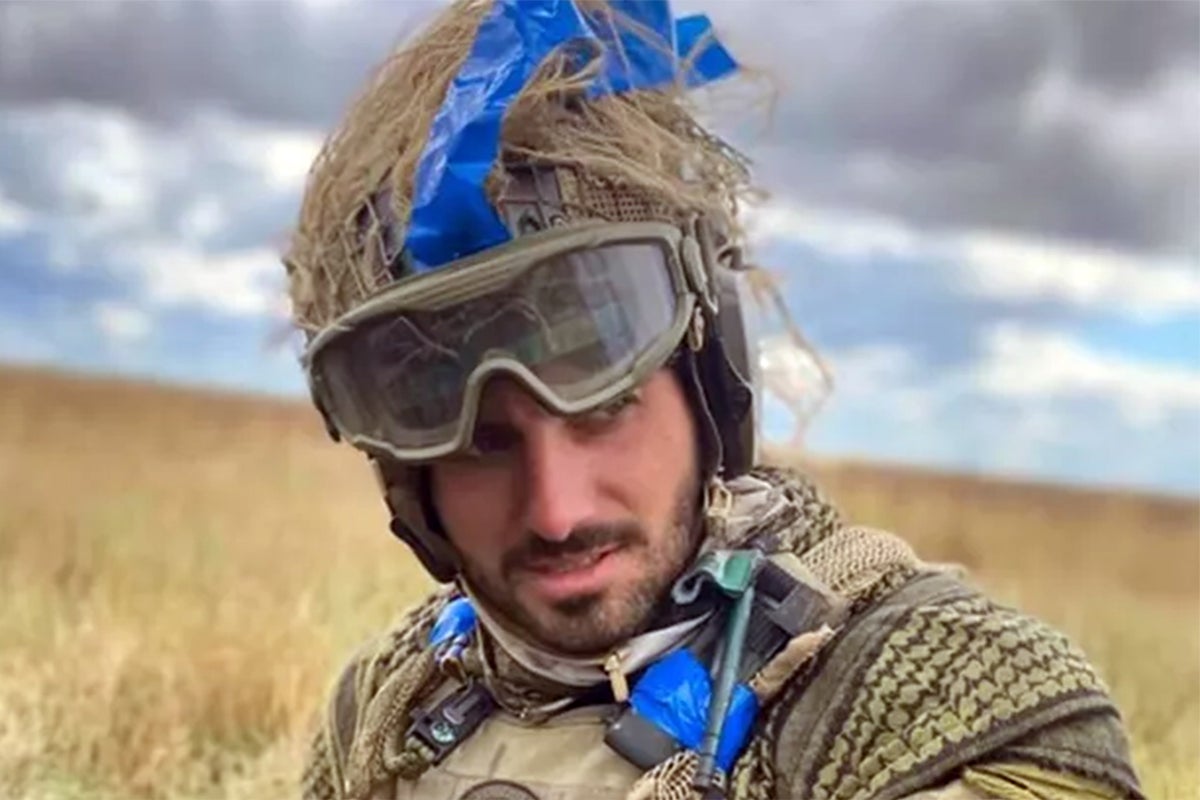
The son of U.S. Health Secretary Robert F. Kennedy Jr., Conor Kennedy entered the Ukrainian theater in 2022 without prior formal military training. He enlisted in the International Legion for the Territorial Defense of Ukraine, a paramilitary structure integrated into the Ukrainian Armed Forces to provide a legal framework for foreign volunteers.
During his tenure, Kennedy reportedly spent over two months in active combat roles. While his public statements at the time framed his participation as a moral imperative to defend democratic sovereignty, the Russian legal system views such participation not as lawful combatancy, but as a violation of domestic and international prohibitions against mercenary activity.
Legal Contradictions and Geopolitical Friction
The crux of this judicial action lies in the divergent classification of foreign personnel. Ukraine asserts that members of the International Legion are lawful combatants entitled to prisoner-of-war status under the Geneva Conventions. Conversely, Russia’s investigative committee utilizes the ‘mercenary’ label to deny these protections, treating volunteers as non-state actors subject to domestic criminal prosecution.
The timing and target of the warrant also carry significant political weight. By targeting a member of the Kennedy family—who is also the son of a high-ranking official in the Trump administration—the Russian judiciary signals its intent to penalize high-profile Western figures associated with the Ukrainian defense. Given the in absentia nature of the proceedings, the warrant’s current utility is primarily symbolic, restricting Kennedy’s international travel to nations without Russian extradition treaties.