Jurisdictional Convergence in Maritime Enforcement
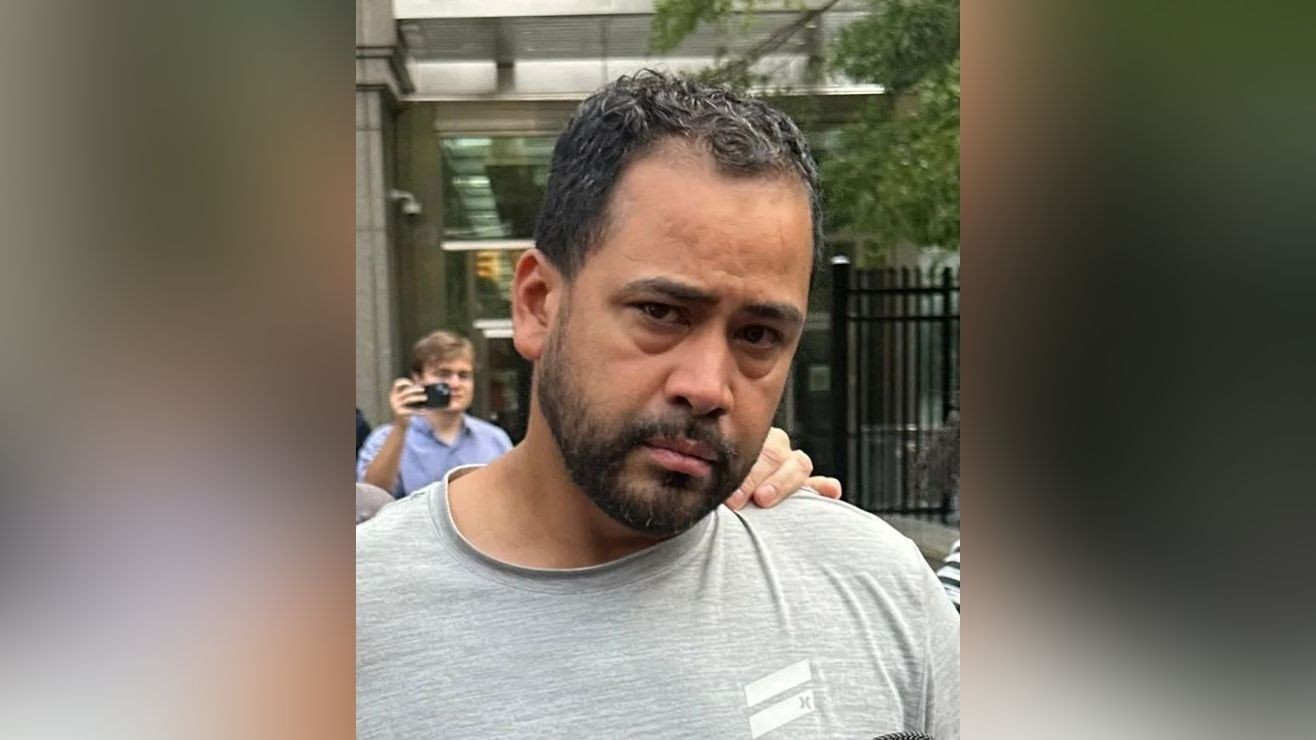
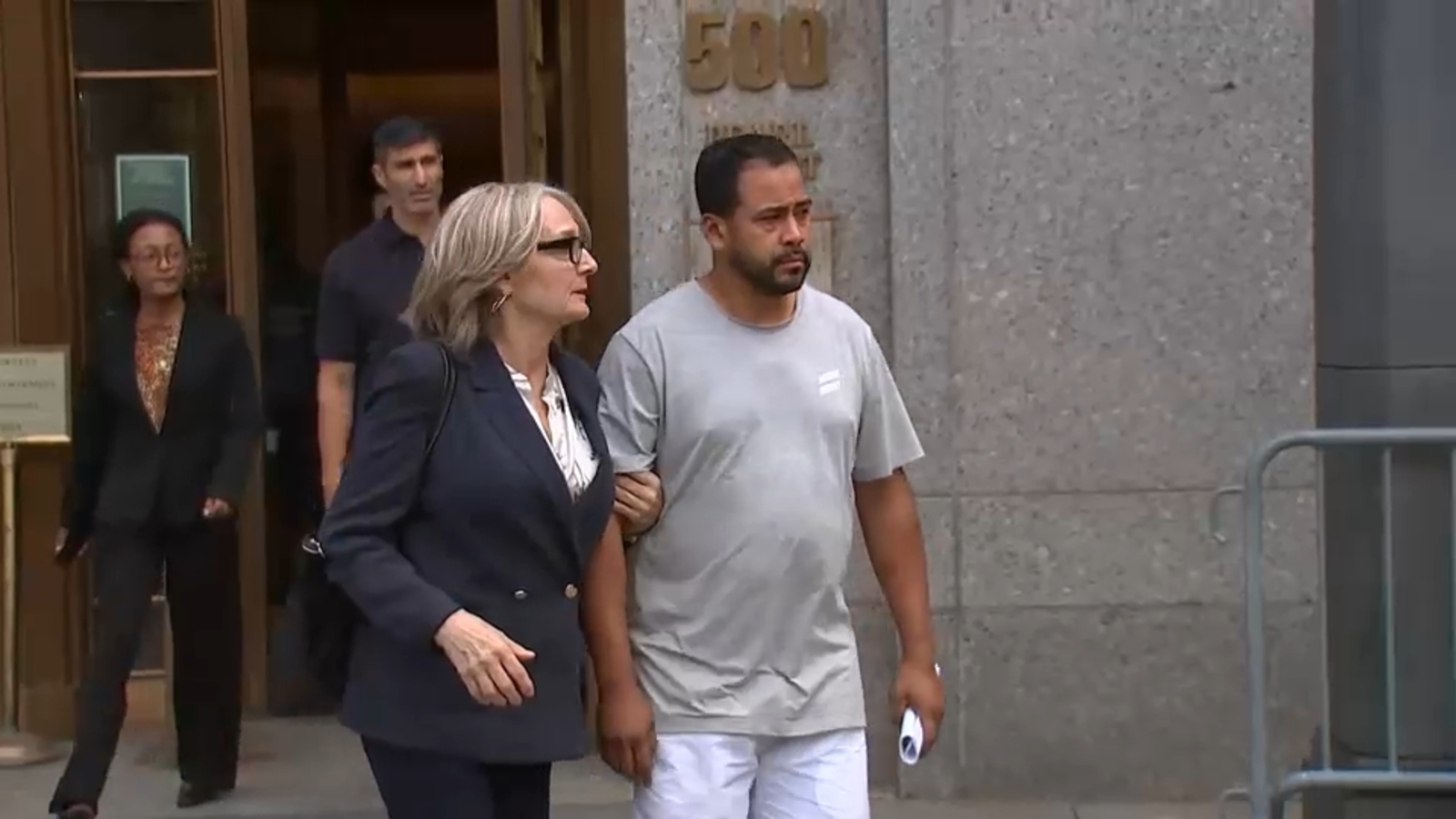
The detention of Manuel Ernesto Hernandez-Umana by U.S. Immigration and Customs Enforcement (ICE) represents a significant intersection of federal maritime law and immigration enforcement. Following a fatal capsizing in New York Harbor that resulted in the deaths of a mother and her five-month-old daughter, the case has escalated into a multi-agency prosecution involving the Coast Guard Investigative Service (CGIS), the Southern District of New York (SDNY), and ICE’s Enforcement and Removal Operations (ERO). This synergy highlights the federal government’s pivot toward using criminal statutes—specifically 18 U.S.C. § 1115—to address systemic negligence in unlicensed commercial maritime operations.
Technical Negligence and Capacity Violations
Investigation into the August 8 incident involving a Yamaha AR210 reveals a catastrophic failure to adhere to stability and safety protocols. While the vessel was engineered for a maximum capacity of 10 occupants, Hernandez-Umana was allegedly transporting 14 individuals, a 40% overload that fundamentally compromised the vessel’s center of gravity and buoyancy in the turbulent wakes of New York Harbor. Furthermore, the absence of a Coast Guard Certificate of Inspection (COI) confirms that the operation bypassed mandatory safety vetting, which would have identified the lack of age-appropriate personal flotation devices (PFDs) for the infant on board.
Statutory Framework: Seaman’s Manslaughter
The federal charge of ‘misconduct and neglect of a ship officer resulting in death,’ or Seaman’s Manslaughter, shifts the burden of accountability directly onto the operator for any deviation from professional maritime standards. Unlike standard negligence, this federal statute focuses on the ‘destruction of life’ resulting from the neglect of duties. In parallel, New York state has filed 13 counts of reckless endangerment. This dual-track prosecution ensures that the operator faces accountability for both the specific fatalities and the generalized risk posed to all passengers on the unauthorized charter.
Administrative Sequencing and Immigration Status
The discovery of Hernandez-Umana’s immigration history has added a layer of administrative complexity to the criminal proceedings. A Salvadoran national who entered the U.S. in 2007 via Texas under a fraudulent claim of citizenship, his presence has been flagged as a priority for ICE ERO. Current judicial protocols dictate a sequential enforcement strategy: the federal criminal trial in the SDNY takes precedence to ensure penal accountability. Upon the resolution of criminal sentencing, Hernandez-Umana will be transferred to ICE custody for formal removal proceedings, preventing the circumvention of justice through immediate deportation.
Economic Impacts on the Maritime ‘Grey Market’
This tragedy illuminates the ‘grey market’ of unlicensed boat tours that proliferate in metropolitan harbors. By bypassing the significant overhead costs associated with credentialed staffing, insurance, and biennial Coast Guard inspections, unlicensed operators create a hazardous regulatory vacuum. The fallout from this incident is expected to catalyze a more aggressive interdiction strategy by maritime authorities, aimed at protecting the integrity of the legitimate tourism sector and preventing the externalization of operational risks onto the public.