
Operational Risk and Structural Liability Analysis
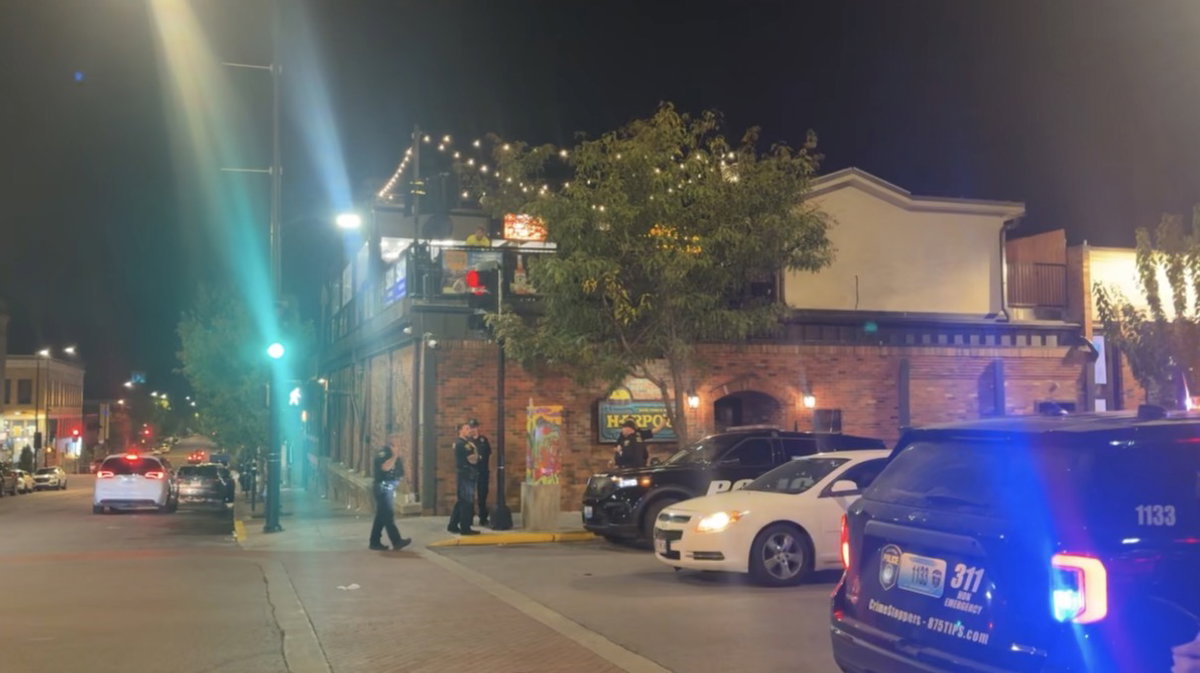
The critical injury sustained by an individual following a fall from the rooftop balcony at Harpo’s Bar and Grill (29 S. 10th St.) represents a significant failure in the risk-mitigation framework of a high-volume hospitality venue. Beyond the immediate trauma response, this incident prompts an evaluation of premises liability and the duty of care owed by establishments utilizing elevated architectural features. In dense nightlife corridors, the intersection of physical barriers, crowd dynamics, and staff vigilance forms the baseline for operational safety; a breach in this triad often leads to catastrophic legal and actuarial consequences.
Regulatory Scrutiny and Municipal Oversight
The involvement of the Columbia Police Department (CPD), led by Lieutenant Anthony Bowne and spokesperson Brian McNeill, signals a transition from emergency medical intervention to administrative forensic review. Municipal authorities frequently use high-profile incidents as catalysts for broader safety audits within the downtown district, specifically targeting occupancy limits and structural compliance. Harpo’s now faces intensive scrutiny regarding its adherence to local building codes and the specific safety stipulations of its liquor license, which mandates active supervision of patron behavior in high-risk zones.
Actuarial and Economic Implications for ‘The District’
The financial fallout of a catastrophic fall extends into the venue’s long-term commercial viability. Insurance providers often recalibrate risk ratings following such events, potentially leading to prohibitive premium increases or mandatory structural retrofitting. Furthermore, the incident creates a reputational contagion within Columbia’s downtown ecosystem, known as ‘The District.’ If consumer perception shifts toward safety concerns, foot traffic may divert to competitors, forcing the local hospitality industry to adopt more stringent—and costly—safety technologies, such as enhanced surveillance and automated monitoring.
Emergency Logistics and Information Management
The rapid response and scene clearance (9:05 p.m. to 10:43 p.m.) reflect high levels of logistical coordination between law enforcement and trauma teams. However, efficient scene management does not alleviate the institutional pressure for transparency. In an era of decentralized digital reporting, official narratives must compete with witness accounts, placing a premium on the accuracy of CPD communications. The definitive cause of the fall remains under investigation, as synthesis of witness testimony and physical evidence will determine the scope of future civil or administrative litigation.

Photo by DuyNod on Pixabay.