
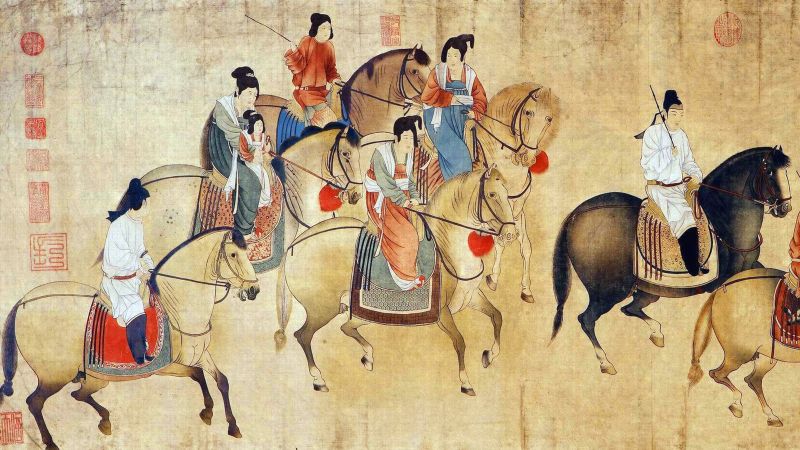
A surge of historical denialism across Chinese social platforms has recently targeted the Tang dynasty (618–907 AD), an imperial era historically documented for cosmopolitan diplomacy, institutional statecraft, and trans-Eurasian commerce. Skepticism gained digital momentum in May following content published by influencer Qiao Yu, who deployed non-standard astrological assertions to challenge the dynasty’s historical reality. This algorithmic trend quickly manifested real-world administrative friction, compelling municipal institutions—including the tourism bureau of the historic capital Xi’an—to field public inquiries regarding the authenticity of core heritage sites.
The Mechanics of Algorithmic Historiographical Revisionism
The spread of Tang denialism exposes structural vulnerabilities in digital discourse, where algorithmic engagement mechanisms can amplify contrarian narratives regardless of established academic consensus. While national education curricula and state-backed cultural programming routinely emphasize the Tang era as a definitive civilizational zenith, decentralized digital subcultures can rapidly bypass formal historiography. The phenomenon illustrates an increasing divergence between institutional cultural diplomacy and decentralized online information ecosystems.
Empirical Refutation: The Kollam Numismatic Cache
Tangible material evidence from maritime trade routes provides categorical refutation of online revisionist assertions. In 2014, underwater dredging operations at the port of Kollam in Kerala, India, recovered an assemblage of 1,252 ancient Chinese coins. Comprehensive material and epigraphic analysis conducted by the Department of Archaeology at the University of Kerala confirmed direct Tang provenance alongside later Northern and Southern Song issues, documenting unbroken centuries of trans-regional maritime trade along the Malabar Coast.
Metallurgical and Epigraphic Specifics
The recovered numismatic artifacts display distinct structural characteristics integral to Chinese imperial monetary administration:
- Metallurgical Casting: Unlike contemporaneous Western and South Asian coinages fabricated via hammered flans, the Kollam specimens were produced through traditional liquid-metal mould-casting, demonstrating centralized imperial foundry standards.
- Morphology: The specimens feature standard circular dimensions with square central apertures, facilitating stringing and administrative bulk transit.
- Chronological Anchor: Formal assessments confirmed five specific Tang pieces, with the earliest identified as a bronze Qian Yuan Zhong Bao coin minted during the mid-to-late eighth century.
Historiographical Significance for Indian Ocean Networks
The scientific classification of the Kollam artifacts confirms the structural integration of Tang China into early medieval Indian Ocean trade networks. Physical deposition of official base-metal and bronze currency across overseas commercial hubs demonstrates sustained commercial interchange, maritime logistics, and state-sanctioned monetary emission. Preserved for comparative numismatic study at the University of Kerala, these physical artifacts serve as empirical safeguards, demonstrating that imperial administrative footprints remain verifiable across global maritime infrastructure.
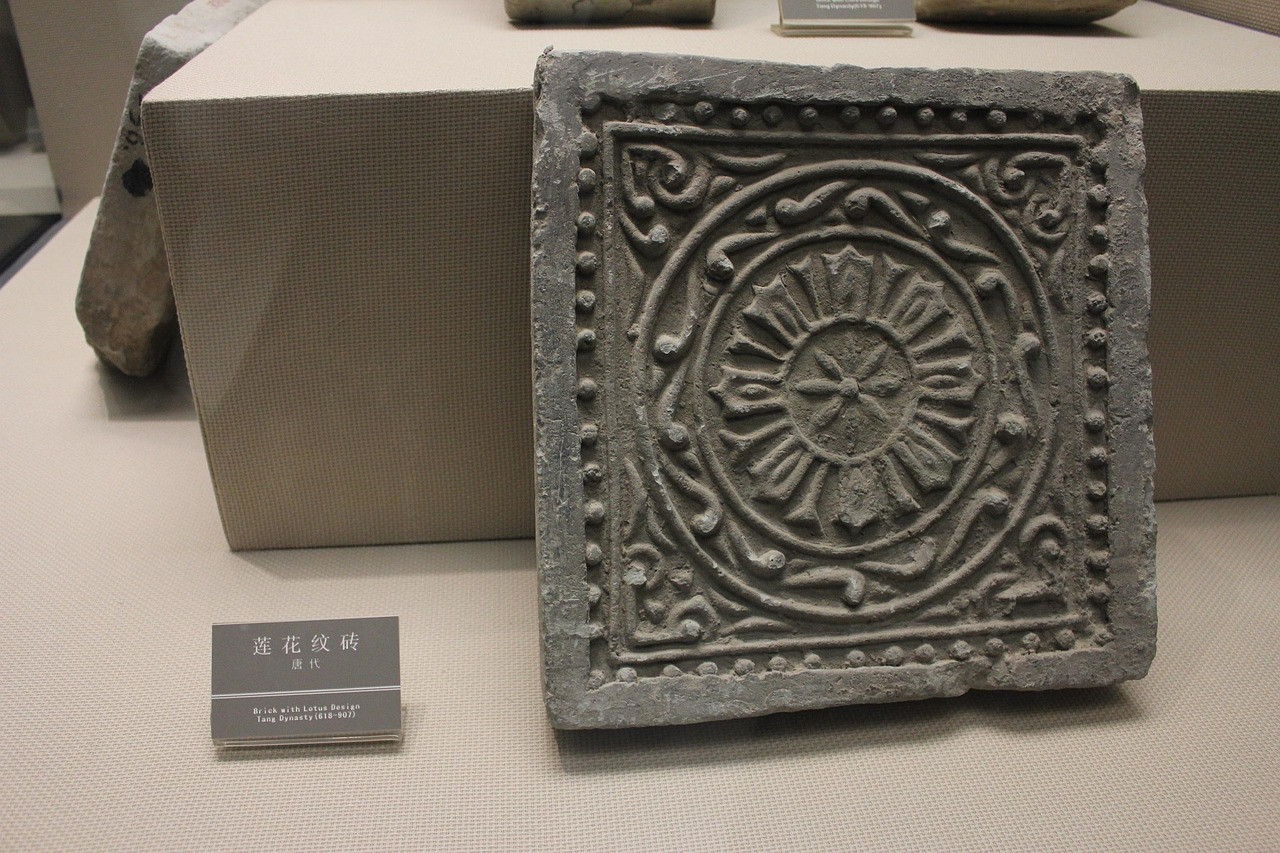
Photo by moersuo on Pixabay.