Starship Deluge System Failure Strains Launch Infrastructure Timelines
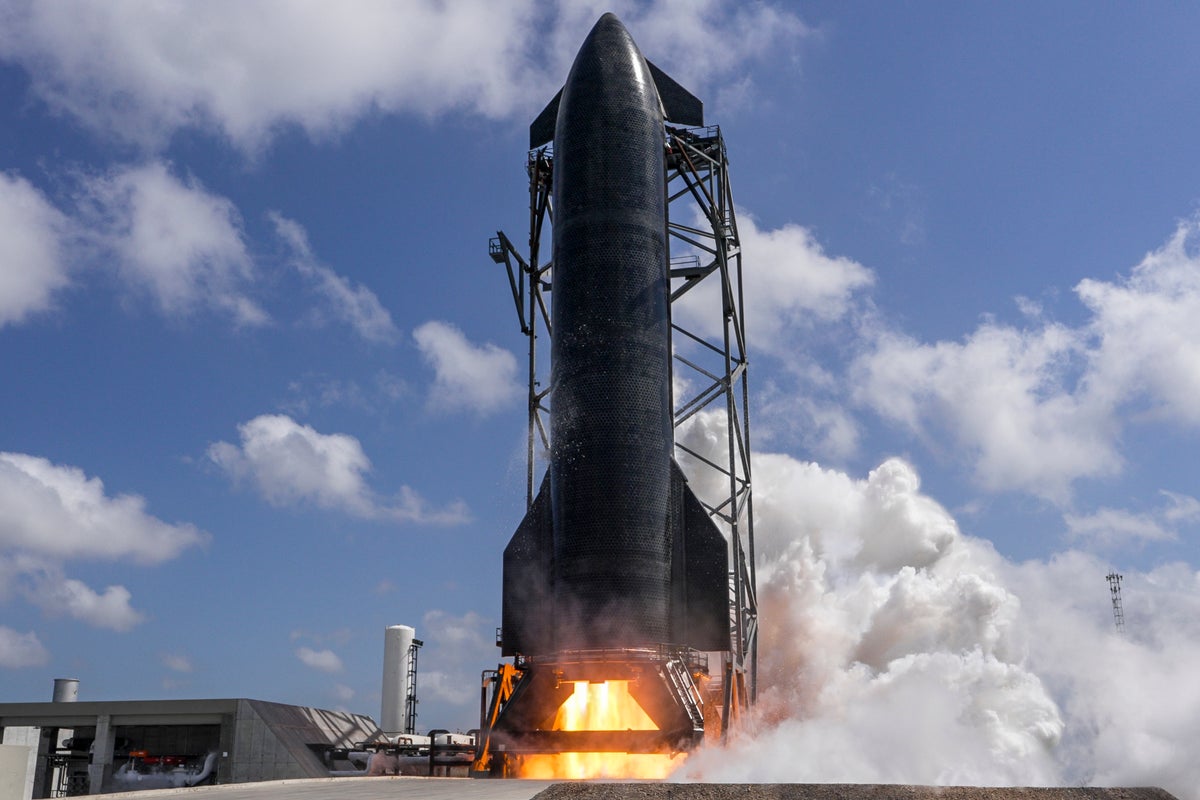
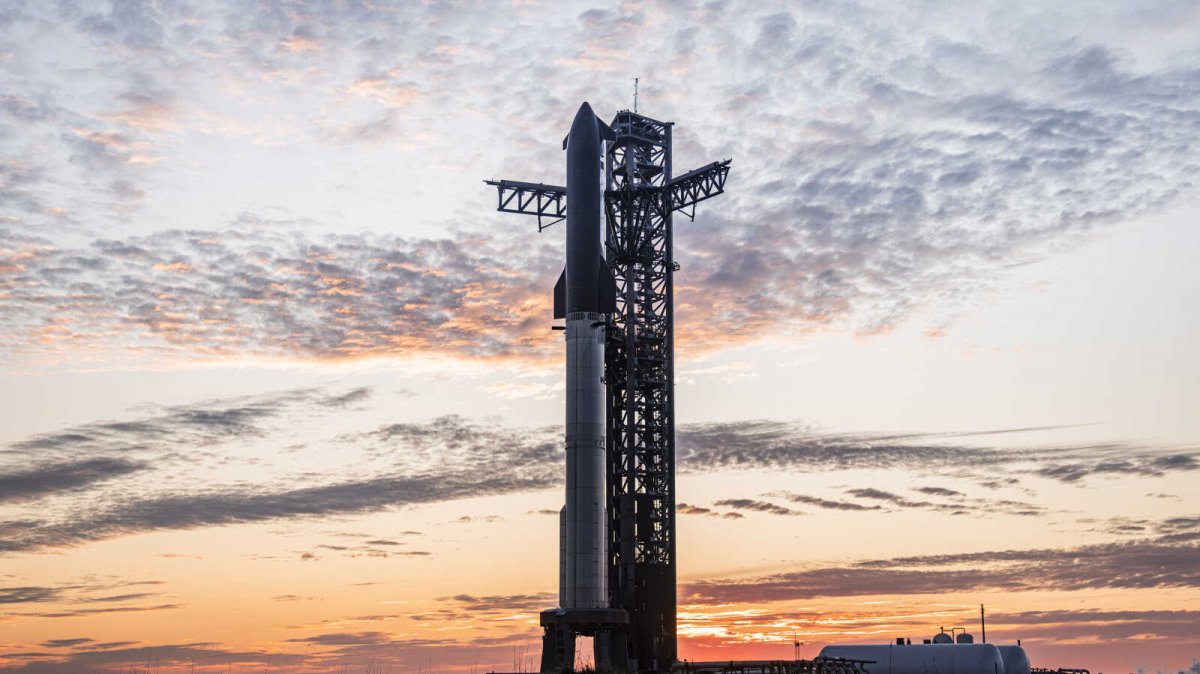
An apparent explosive failure occurred at SpaceX’s Starbase facility during a high-pressure test of the water deluge system designed for the Starship launch mount. Livestream footage documented the ejection of substantial debris and the immediate cessation of the test, highlighting significant challenges in certifying ground infrastructure capable of withstanding the immense acoustic and thermal loads produced by the Super Heavy booster.
The deluge system is a mission-critical component intended to suppress the intense energy release at liftoff. This failure underscores the operational difficulty of scaling support systems to accommodate the world’s most powerful launch vehicle, revealing vulnerabilities in the pre-flight testing phase that could delay subsequent launch attempts.
Operational Bottlenecks and Programmatic Impact
The failure points to a technical bottleneck in SpaceX’s launch preparation sequence. Because the system is integral to protecting the launch pad from structural degradation, its failure necessitates a comprehensive investigation and potential hardware redesign. This setback directly threatens the target launch windows for the next integrated flight test, shifting previously optimistic 4-6 week timelines toward a state of uncertainty.
These delays propagate into the NASA Artemis program, which depends on a human-rated Starship (HLS) for lunar surface operations. With 2028 targets in place, any compression of the testing schedule increases the risk of cascading delays, forcing NASA and SpaceX to reconcile ambitious lunar goals with the reality of complex, hardware-heavy development.
Capital Exposure and Strategic Incentives
SpaceX’s rapid iteration model inherently accepts failure as a data-gathering mechanism; however, the reliance on high-frequency, high-stakes infrastructure testing introduces specific capital risks. While the company’s private funding model provides agility, persistent technical failures demand costly resource reallocations, potentially diverting engineering focus from vehicle optimization to ground-system remediation.
For NASA, this adds financial and political pressure. As the Artemis program represents a major budgetary investment, the space agency faces potential downstream risks if infrastructure reliability issues necessitate increased programmatic spending or revised mission milestones.
Governance and Competitive Positioning
The incident will likely draw heightened scrutiny from the Federal Aviation Administration (FAA). As the primary regulatory authority over commercial space transportation, the FAA may mandate rigorous safety audits at Starbase. This regulatory oversight is essential for public and flight safety, yet it also functions as a formal checkpoint that can further lengthen the path to the next launch.
In the competitive landscape, SpaceX’s leadership in super-heavy-lift capabilities remains unchallenged, but this event highlights the difficulty of institutionalizing reliable flight operations. Competitors are observing these trials closely; a sustained period of infrastructure instability creates a window for other launch providers to emphasize their own reliability in an industry where commercial and government clients increasingly prioritize schedule predictability.
Historical Context and Future Outlook
SpaceX’s history is defined by its ability to extract performance gains from catastrophic tests. While this rapid prototyping philosophy has successfully accelerated hardware development, the transition to mission-critical operations for NASA requires a pivot toward more predictable, robust engineering. The path forward for Starship depends less on speed and more on the demonstrated reliability of its launch infrastructure, ensuring that the system can support both commercial expansion and the return to the Moon.