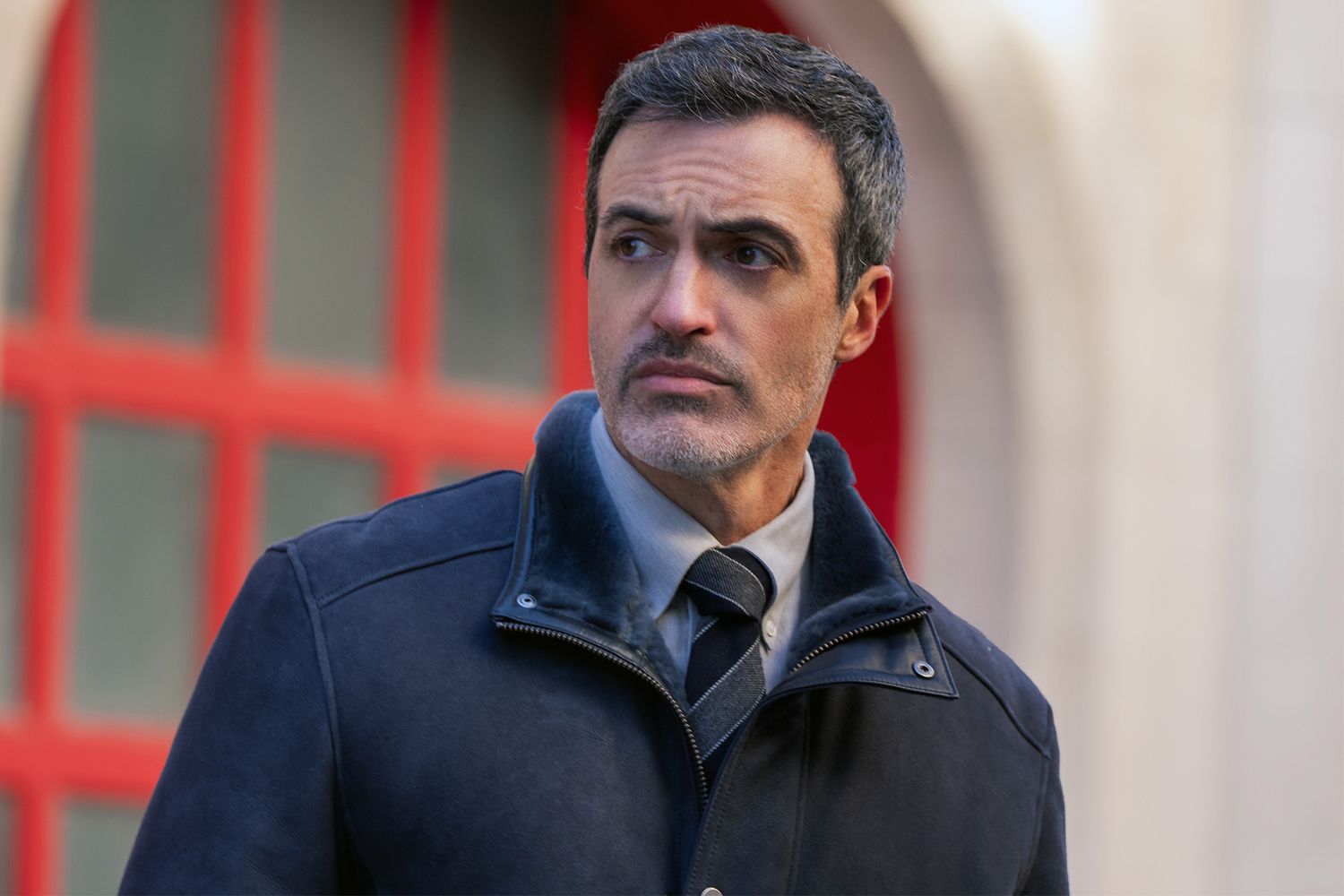
The upcoming departure of Reid Scott from NBC’s flagship procedural, Law & Order, signals more than just a personnel change; it underscores the persistent operational challenges inherent in high-volume network television production. Scott, who has portrayed Senior Detective Vincent Riley for three seasons, will exit during the twenty-sixth season, citing the rigorous logistical demands of a nine-month filming schedule based in New York City.
This pivotal transition introduces James Badge Dale as the new Senior Detective. The move strategically maintains the show’s established hierarchical structure while directly addressing the practical realities of talent retention within a cross-country industry. Scott’s decision to leave, described as amicable, illuminates the friction between an actor’s personal stability and the demanding geographic commitment required by a major network franchise.
Operational Pressures and Strategic Talent Management
The core driver behind Scott’s exit is the immutable structural demand of the Law & Order production cycle, which mandates a nine-month on-location presence in New York. For talent primarily based on the West Coast, this creates a persistent logistical hurdle that frequently precipitates turnover once initial contract obligations are fulfilled or renegotiated.
Scott’s departure, notably with a believed year remaining on his contract, suggests a negotiated exit that prioritizes the actor’s personal requirements over strict contractual enforcement. This flexibility exemplifies a hallmark of the Wolf Entertainment production model, which strategically prioritizes long-term brand stability and franchise continuity above the indefinite retention of any single performer.
The series’ geographical centralization in New York remains a non-negotiable component of its gritty brand identity and aesthetic realism. Paradoxically, this same essential requirement acts as a natural filter for talent, contributing to a recurring pattern of lead actor turnover as individuals weigh the professional prestige of the role against the significant personal disruption of a cross-country relocation.
Strategic Casting and Narrative Integration
The appointment of James Badge Dale as Senior Detective represents a deliberate strategic pivot towards an actor renowned for his roles in high-stakes drama and action. Dale’s prior work in features like 13 Hours and series such as 1923 aligns precisely with the authoritative, grounded, and intense tone essential for a senior investigative role within the Law & Order squad room.
By integrating an established name of Dale’s caliber, the production meticulously ensures that the institutional weight and credibility of the Senior Detective position remain robust. This role is critical for sustaining the narrative balance against the Junior Detective, currently portrayed by David Ajala, thereby preventing any loss of momentum in the procedural’s intricate investigative dynamics during the transition.
Crucially, the timing of Dale’s introduction is engineered to overlap with Scott’s final episodes, diverging from the show’s recent history of abrupt, off-screen character exits. This tactical shift empowers the writers to craft a definitive, on-screen conclusion to Detective Riley’s arc, potentially leveraging existing plot threads for a seamless narrative handoff between the two leads and enhanced audience retention.
Narrative Continuity and the Riley Character Arc
Unlike many prior cast departures that received minimal on-screen explanation, Reid Scott will return for several episodes of Season 26 to organically conclude his character’s journey. This decision underscores a deliberate strategic effort to provide narrative closure, thereby mitigating potential audience disengagement often associated with sudden character disappearances.
The most compelling narrative asset available for Riley’s exit is the ongoing storyline involving his brother, Matt, portrayed by Ryan Eggold. The established tension, complex emotional stakes surrounding Matt’s coma, and his convoluted history as a confidential informant offer a robust and emotionally resonant framework for a meaningful departure.
By intricately weaving Riley’s exit into his brother’s medical status and the professional repercussions of their complicated relationship, the show can facilitate a departure that feels profoundly organic to his established character flaws, motivations, and personal conflicts. This narrative strategy adeptly mitigates the risk of alienating viewers who have invested significantly in Riley’s character development over his three-season tenure.
The Institutional Logic of Cast Rotation
Historically, Law & Order has operated as an institutional brand where the unwavering procedural format and the authentic backdrop of New York City serve as the primary protagonists. This foundational structural design grants the series a unique resilience, allowing it to absorb frequent cast changes that might otherwise destabilize a more character-centric drama.
The rotation of senior detectives is a well-established, recurring feature within the franchise’s operational lifecycle, serving distinct financial and creative imperatives. From a financial perspective, systematically rotating lead actors enables the production to effectively manage escalating salary demands that are typically associated with long-term tenure on a highly successful series, ensuring budgetary sustainability.
Creatively, the introduction of new cast members injects vital fresh energy and diverse perspectives into the squad room, actively preventing the interpersonal dynamics from becoming stagnant or predictable. James Badge Dale’s arrival exemplifies this pattern, furnishing the writing staff with a new array of personality traits, professional backgrounds, and investigative methodologies to explore within the stringent confines of the legal-procedural format.
Impact on Squad Room Dynamics and Team Evolution
The imminent departure of Detective Riley inevitably creates a temporary vacuum within the established partnership dynamic with Junior Detective Theo Walker. The intricate chemistry and interplay between the senior and junior roles constitute the fundamental engine of the show’s investigative half, necessitating a significant recalibration of script pacing, dialogue, and character interactions.
James Badge Dale’s incoming character will be tasked with establishing an entirely new professional rapport with Walker, a complex process that typically defines the initial episodes of a new season. This critical transition period serves as a vital proving ground for the show, demonstrating its continued relevance, adaptability, and unwavering ability to evolve without compromising its core identity.
This shift also follows the relatively recent exit of Mehcad Brooks, signaling a period of significant, consecutive transformation for the detective arm of the series. Maintaining a cohesive sense of continuity and ensemble efficacy amidst such rapid turnover represents a primary, ongoing challenge for the show’s executive leadership, writing staff, and ultimately, its audience engagement strategy.
Financial and Contractual Frameworks
Reid Scott’s decision to conclude his role with time remaining on his contract highlights the sophisticated talent management and negotiation strategies employed by major networks and studios. Amicable exits, particularly for prominent roles, are frequently the product of complex, multi-faceted negotiations that may encompass future development deals, guest appearances, or other forms of mutually beneficial professional reciprocity.
For NBC and Wolf Entertainment, the comprehensive cost of replacing a lead actor extends beyond the new performer’s salary to include significant marketing and promotional expenses associated with introducing a new face to a loyal audience. However, these upfront costs are often strategically offset by the long-term financial advantages of resetting the salary scale for a lead position, contributing to overall production efficiency.
The deliberate recruitment of James Badge Dale, a high-caliber actor, signifies the production’s continued willingness to invest in premium talent. This strategic investment is crucial for ensuring the show’s competitive positioning within the demanding broadcast landscape and for sustaining the consistently high ratings that Law & Order reliably delivers for the network’s pivotal Thursday night lineup.
Broader Industry Context and Procedural Resilience
The logistical and personal challenges experienced by Reid Scott are profoundly emblematic of a broader, industry-wide trend where the demanding production cycles of traditional 22-episode network seasons are increasingly at odds with the evolving lifestyle expectations of top-tier acting talent. As the entertainment industry progressively shifts towards shorter-run seasons prevalent on streaming platforms, the traditional network procedural model remains a uniquely arduous outlier.
This inherent friction frequently leads to the type of deliberate cast turnover observed on Law & Order, where actors opt to pursue projects offering more manageable schedules or closer geographic proximity to their primary residences. Despite these persistent demands, the enduring prestige and global recognition of the Law & Order franchise continue to attract accomplished talent like James Badge Dale, affirming its unique position in the television ecosystem.
Ultimately, the transition from Scott to Dale represents a calculated, multi-layered strategic maneuver designed to preserve the institutional health and long-term viability of the series. By judiciously addressing the evolving logistical needs of its performers while consistently upholding a high standard for their replacements, Law & Order effectively ensures its sustained dominance and cultural relevance within the highly competitive procedural genre.
Conclusion: The End of an Era, The Start of Another
As Reid Scott prepares to film his final episodes, narrative focus intensifies on how the writing team will artfully resolve the existing tension between Detective Riley and his brother, Matt. This critical plotline offers a high-stakes, emotionally charged exit strategy that could plausibly see Riley leaving the force for deeply personal or family-related reasons, organically aligning with the real-world motivations for Scott’s departure.
The strategic inclusion of Ryan Eggold in these concluding episodes would provide a profound sense of narrative symmetry, effectively closing the loop on Detective Riley’s most significant personal conflict. This method of storytelling deftly prioritizes the internal logic and emotional resonance of the show’s ongoing narratives over the external realities of cast changes.
With James Badge Dale poised to make his debut immediately following Scott’s definitive exit, Law & Order embarks on a new, yet familiar, phase in its extensive history. The ultimate success of this intricate transition will hinge on the show’s proven ability to seamlessly integrate Dale’s character into the established rhythm of the New York City Police Department while simultaneously delivering a narratively satisfying and emotionally impactful conclusion to the Detective Riley chapter.