Synergistic Programming within the ABC Tuesday Ecosystem
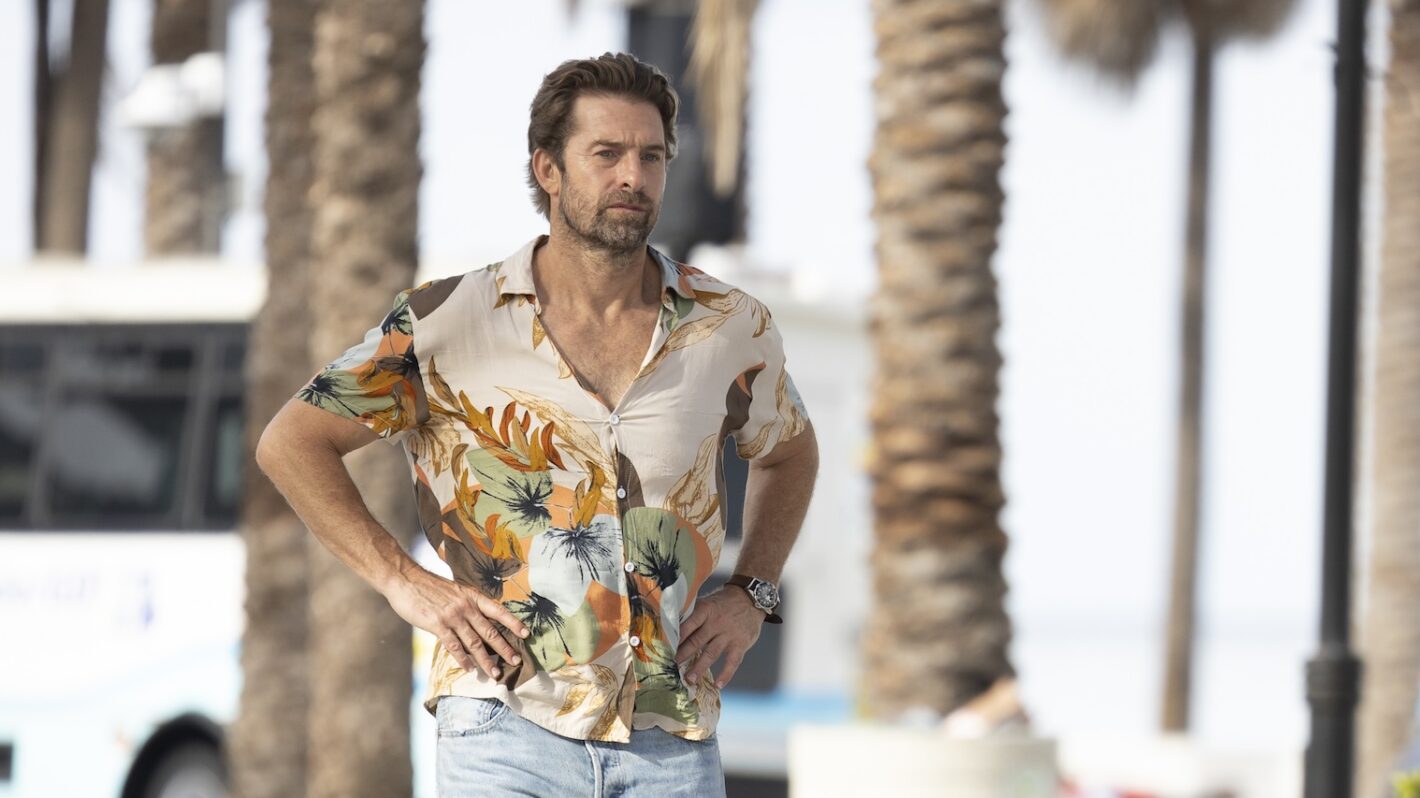
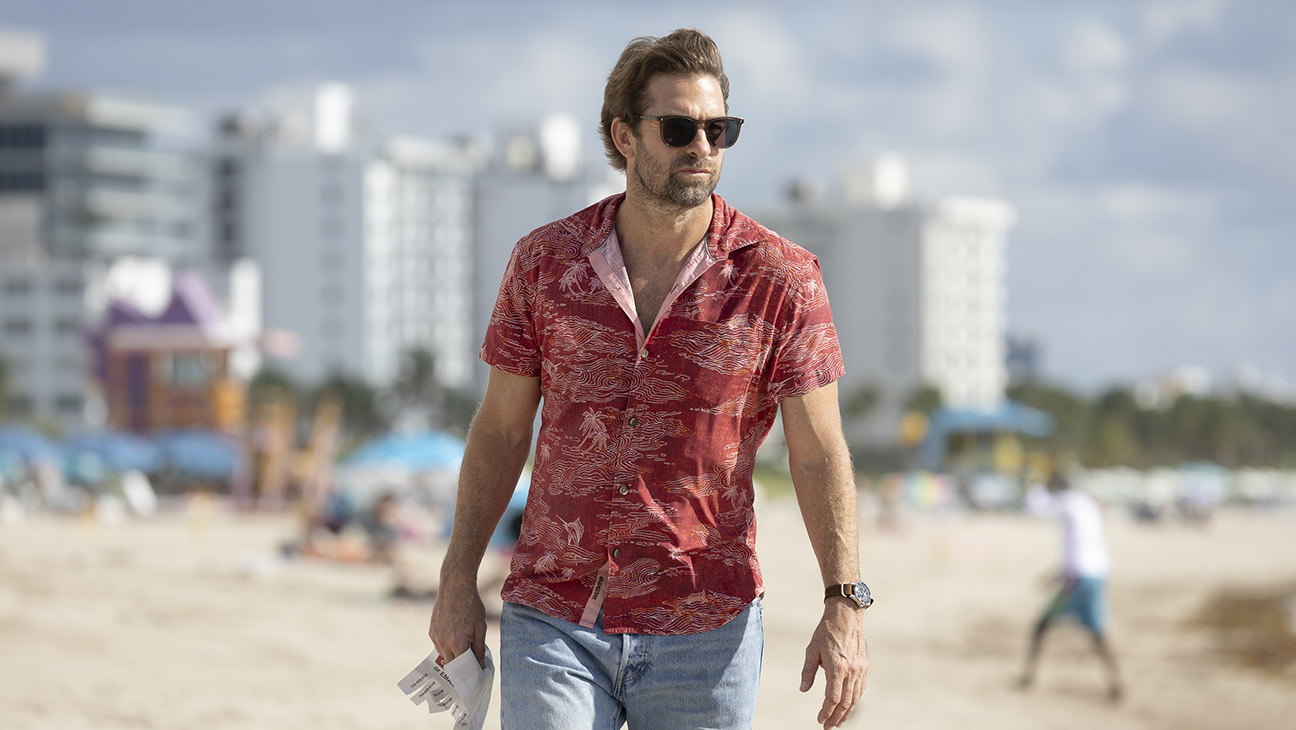
The integration of RJ Decker into ABC’s Tuesday night roster represents a sophisticated expansion of the network’s procedural architecture. By flanking established hits like Will Trent and High Potential, the series contributes to a curated ‘character-forward’ block. The Tampa-based setting functions as a strategic geographic pivot, offering a humid, eccentric alternative to the saturated urban landscapes of traditional New York or Los Angeles crime dramas.
This scheduling logic prioritizes tonal cohesion over raw grit, targeting a demographic that demands atmospheric, mystery-driven content. The reliance on Scott Speedman—a veteran of the network’s prestige ecosystem—serves as an institutional stabilizer, securing viewership retention in an increasingly fragmented linear market.
Literary Lineage: The Hiaasen Framework
Derived from Carl Hiaasen’s 1987 novel Double Whammy, the series signals a renewed network interest in ‘Florida Noir.’ This adaptation preserves the source material’s satirical DNA while modernizing its professional stakes. Transitioning the protagonist from a photojournalist to a private investigator is more than a narrative update; it is a structural necessity for the weekly procedural format, allowing for greater jurisdictional flexibility while acknowledging the decline of traditional print media.
Protagonist Archetype and Institutional Friction
The characterization of RJ Decker as an ex-con—incarcerated for defending his professional tools—introduces a layer of systemic volatility. Unlike standard broadcast leads, Decker operates from a position of institutional disenfranchisement. This criminal record acts as a permanent barrier, forcing the narrative to explore the periphery of the legal system rather than its center. This ‘outsider’ status allows for a more cynical, subversive lens through which to examine Florida’s socio-political eccentricities.
Structural Conflict: The Emi Revelation
The immediate narrative pivot regarding Emi (Jaina Lee Ortiz) establishes the series’ primary interpersonal tension. By linking Emi to the very law enforcement apparatus that previously incarcerated Decker, the show creates an inherent power imbalance. This dynamic ensures that every investigative win is tempered by institutional oversight, preventing the plot from devolving into a formulaic ‘case-of-the-week’ by maintaining high-stakes personal jeopardy.
Talent Optimization and Production Logistics
Scott Speedman’s concurrent roles in RJ Decker and Grey’s Anatomy exemplify a growing industry trend: the maximization of ‘legacy talent’ across multiple franchises. This logistical arrangement requires surgical scheduling and reflects ABC’s confidence in Speedman’s brand equity. For the network, this dual-presence strategy serves as a cross-promotional engine, bridging the gap between medical drama loyalists and procedural enthusiasts.
Regional Branding and the ‘Florida Man’ Aesthetic
The Tampa setting allows the production to operationalize the ‘Florida Man’ cultural phenomenon—an endless reservoir of bizarre criminal motivations. This regional branding serves as a visual and thematic differentiator, offering a ‘tropical-noir’ aesthetic that feels distinct from the clinical procedurals on rival networks. The environment is treated as an active antagonist, where the climate and local absurdity dictate the pacing of the investigative process.
Market Position and Long-Term Viability
While the ‘quirky investigator’ trope is prevalent, RJ Decker seeks a competitive edge by balancing Hiaasen’s inherent cynicism with the ‘breezy’ requirements of broadcast television. The series’ longevity depends on its ability to deepen its exploration of systemic corruption without losing the escapist appeal of its setting. If the writers can successfully marry the protagonist’s dark history with the satirical vibrancy of Tampa, the show could define a new standard for modern regional procedurals.