
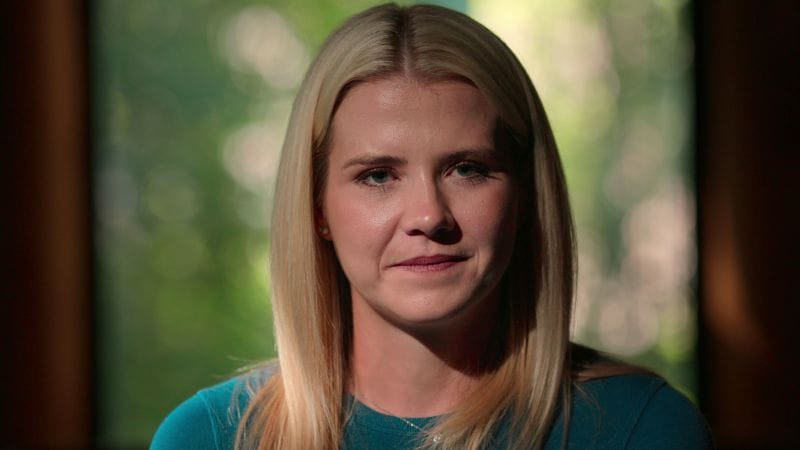
A Voice Reclaimed: Elizabeth Smart’s Story on Netflix
The chilling abduction of Elizabeth Smart in 2002, a story that once dominated headlines and haunted the nation, is being revisited through a new lens. Netflix’s documentary, “Kidnapped: Elizabeth Smart,” offers an in-depth look at the harrowing experience of the then-14-year-old, who was taken from her Salt Lake City bedroom.
The documentary promises new insights, drawing directly from Elizabeth Smart herself, who has become a powerful advocate and survivor. Her voice, once silenced by fear and trauma, now rings with resilience and purpose. The film also features her father, Ed Smart, providing a father’s perspective on the agonizing days of his daughter’s disappearance and the relentless search.
The Nightmare Unfolds
It was June 5, 2002, when Elizabeth Smart was stolen from her home in a brazen act that shocked a community and a nation. The abduction, carried out by Brian David Mitchell and Wanda Barzee, plunged her family into a desperate, nine-month ordeal.
The narrative of the kidnapping itself is a stark reminder of vulnerability. Smart was taken in the dead of night, whisked away from the presumed safety of her family home. This violation of sanctuary sent ripples of fear across the country, prompting widespread public concern and an extensive search effort.
A Father’s Anguish and Hope
Ed Smart, Elizabeth’s father, has been a prominent figure throughout the ordeal and its aftermath. His public appeals for his daughter’s safe return became a central part of the national conversation. The documentary likely revisits the immense strain and unwavering hope that characterized the family’s long wait.
The involvement of Ed Smart in the documentary provides a critical familial perspective. It allows viewers to understand the profound impact of the kidnapping on the entire family unit, the strategies employed in the search, and the emotional toll of uncertainty.
Finding Strength Beyond the Trauma
Elizabeth Smart has consistently emphasized her identity beyond the traumatic event. “I’m not just that girl that was kidnapped. That happened to me; but I’m so much more,” she told CNN’s Anderson Cooper in 2013. This powerful statement underscores her journey of reclaiming her narrative and defining herself on her own terms.
The Netflix documentary taps into this resilience. By hearing directly from Elizabeth, the film moves beyond a mere recounting of the crime to explore the profound impact on her life and her subsequent work as an activist. Her transformation from victim to survivor and advocate is a central theme, inspiring many.
Where Are Ed and Lois Smart Today?
Since the harrowing events of Elizabeth’s kidnapping, her parents, Ed and Lois Smart, have remained a steadfast presence in her life and in public advocacy. They have dedicated themselves to supporting Elizabeth and raising awareness about child safety and exploitation.
The family has largely remained in the public eye, not out of a desire for attention, but as a commitment to helping others. They have been vocal in supporting legislative changes and promoting initiatives aimed at preventing similar tragedies. Their enduring strength and unity have been a hallmark of their public journey.
The Legacy of ‘Kidnapped: Elizabeth Smart’
The Netflix documentary “Kidnapped: Elizabeth Smart” serves as a significant cultural touchstone, bringing the story to a new generation while offering familiar viewers a deeper understanding. It highlights not only the dark chapter of her abduction but also the enduring spirit of survival and the power of reclaiming one’s life.
By featuring interviews with Elizabeth Smart and her father, the documentary provides a rich, human-centered narrative. It underscores the importance of giving survivors a platform to share their stories and control their own public image, moving past the sensationalism often associated with such events.
A Story of Resilience and Advocacy
Elizabeth Smart’s journey is a testament to the human capacity to overcome profound adversity. Her work in advocating for victims’ rights, her speaking engagements, and her public presence have made her an icon of hope and strength.
The documentary, premiering January 21, is expected to reignite conversations about victimhood, resilience, and the ongoing fight against child abduction and exploitation. It’s a narrative that, while rooted in a tragic past, looks firmly towards a future defined by empowerment and advocacy.