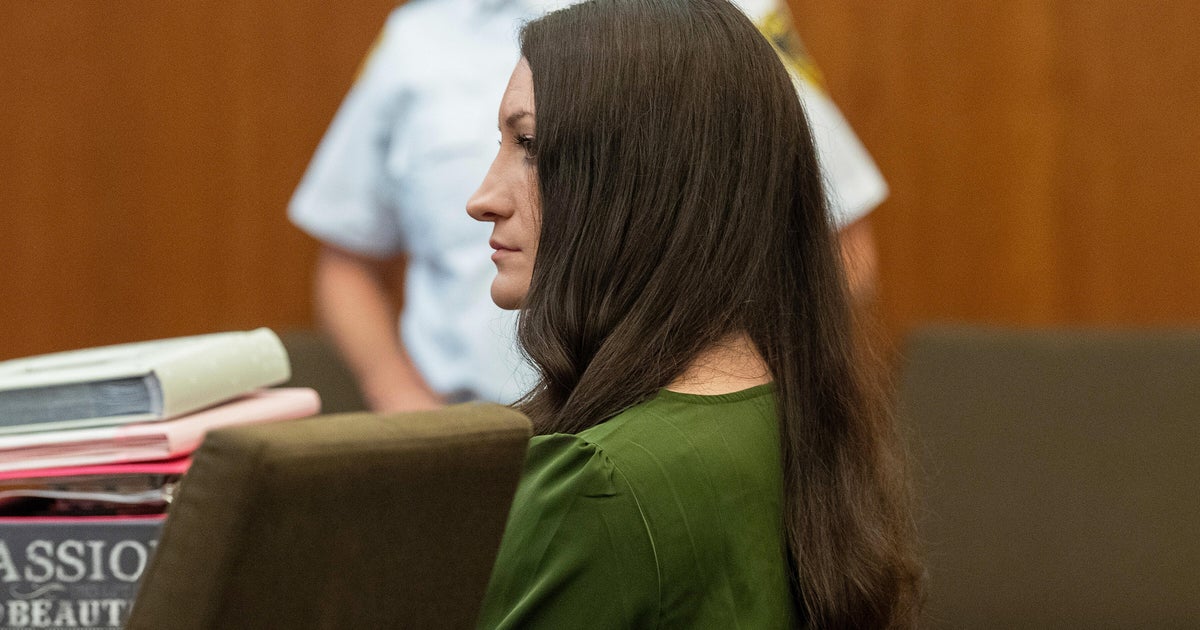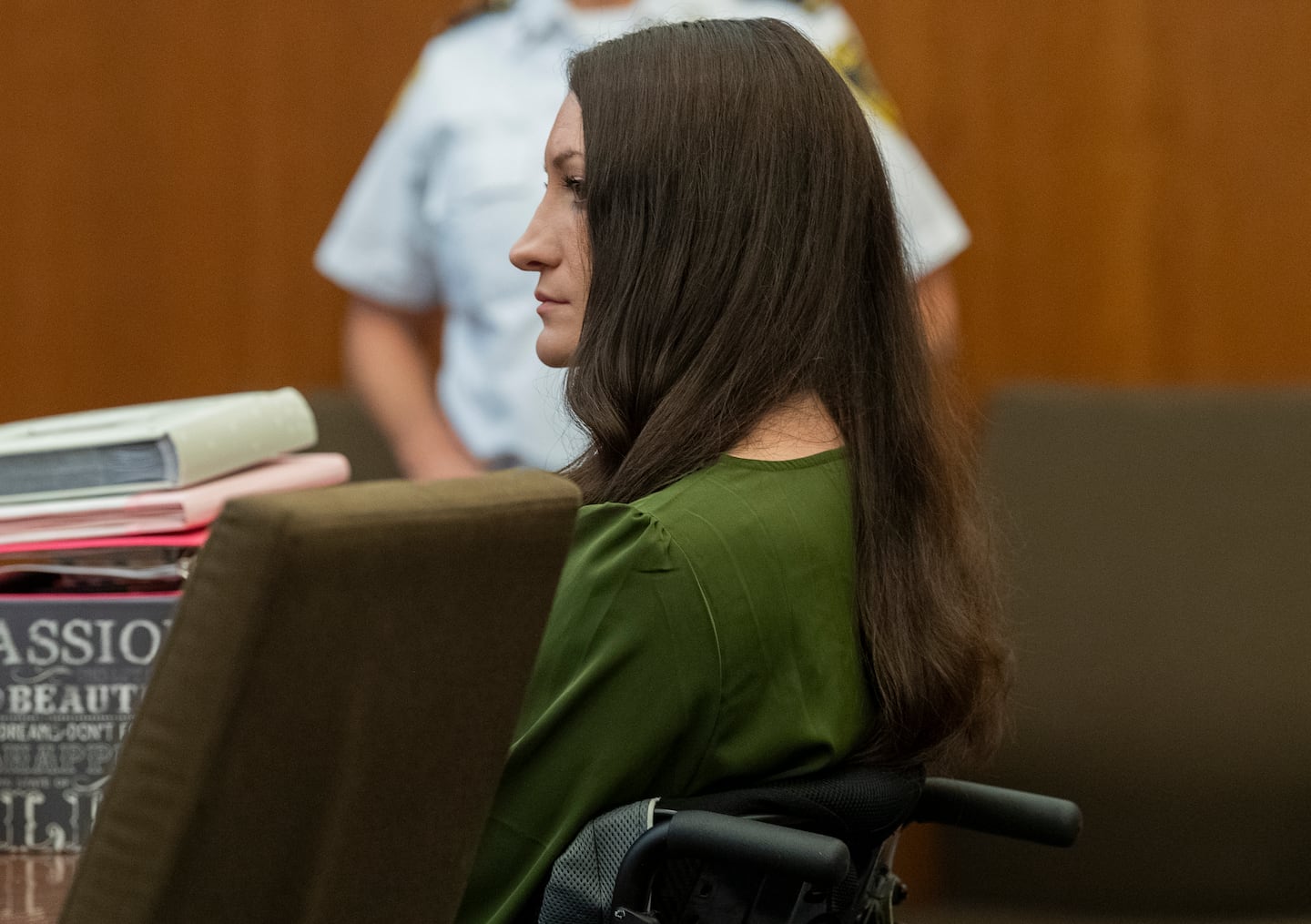
The murder trial of Lindsay Clancy in Plymouth Superior Court centers on the legal intersection of criminal responsibility and severe psychiatric impairment following the January 2023 deaths of her three Duxbury children. As the defense concludes its case, the central legal dispute weighs intentional action against the clinical assertion of postpartum psychosis.
Dr. Paul Zeizel, a defense-retained psychologist who evaluated Clancy numerous times, testified regarding her institutionalized state and expressed grief concerning her children. The defense strategy relies on proving that Clancy experienced an acute episode of postpartum psychosis that compromised her perception of reality, while prosecutors argue the actions were intentional and merit full criminal culpability.
Evidentiary Rulings and Trial Dynamics
Clancy, who sustained paralysis from a suicide attempt following the incident, remains held without bail at Tewksbury Hospital for ongoing medical care. The trial’s evidentiary scope was highlighted by Judge William Sullivan’s ruling to bar a prospective witness—a TikTok user with past employment at McLean Hospital—following a voir dire examination determining the testimony inadmissible.
Proceedings were temporarily halted due to an unforeseen circumstance, leading to an early dismissal of the jury. With the defense preparing to rest, the trial will transition to the prosecution’s presentation of rebuttal testimony.
Institutional and Legal Implications
The case underscores the evidentiary challenges courts face when evaluating acts committed under severe psychiatric distress. The ultimate verdict by the jury in Plymouth Superior Court will establish a formal legal precedent regarding intent, accountability, and the application of psychiatric expert testimony in capital cases.