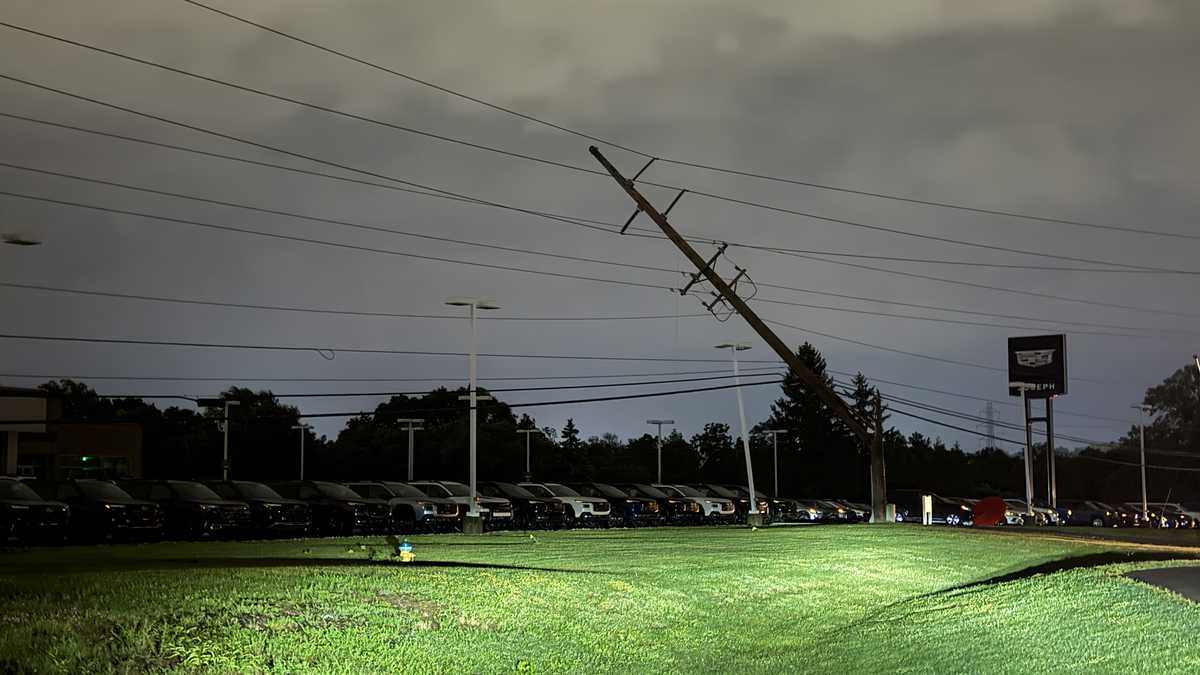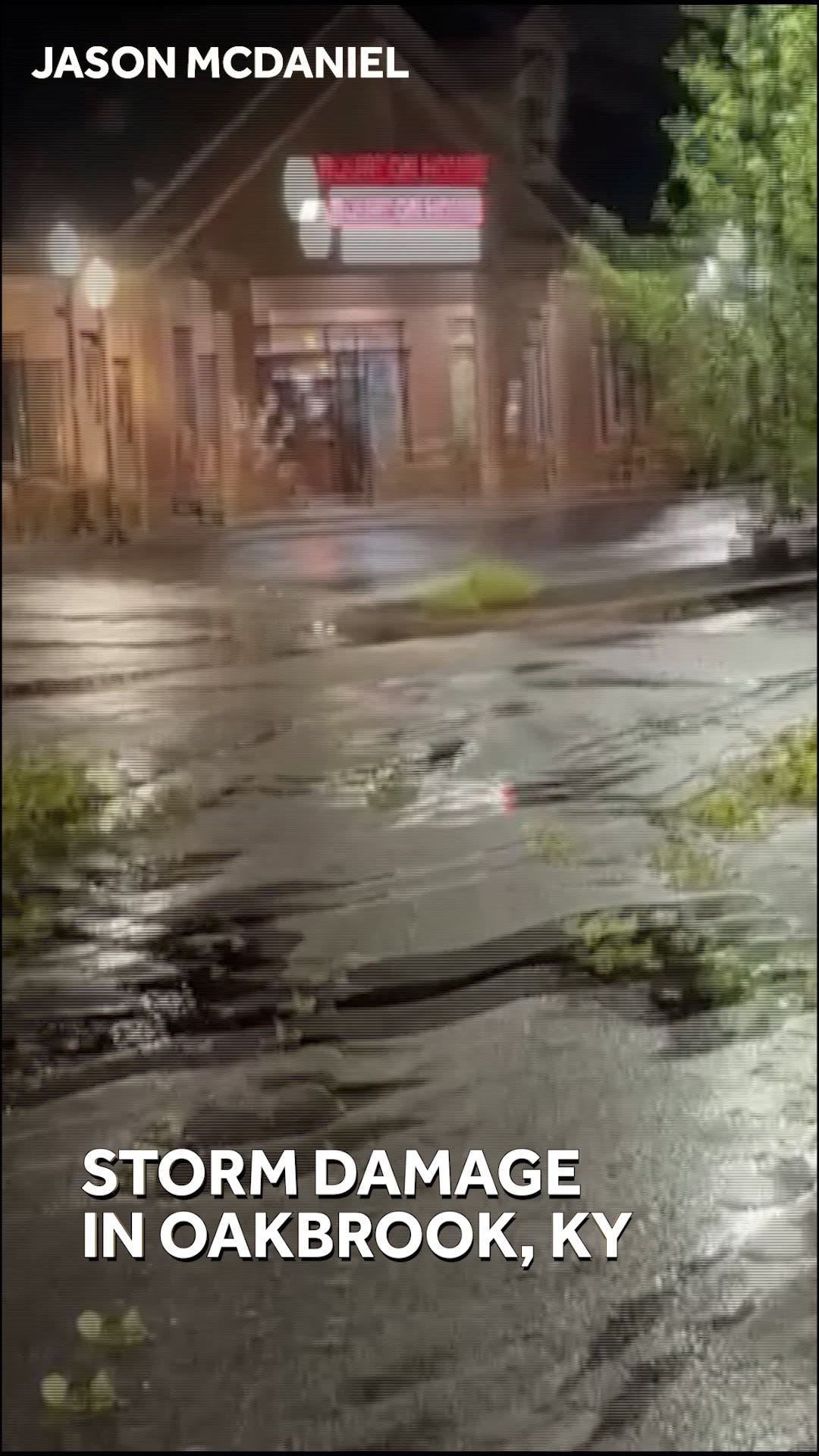
The meteorological events of June 18, 2026, catalyzed a series of cascading failures across the Tri-State’s critical infrastructure. Tornado-warned cells transitioned from atmospheric threats to economic disruptors, testing the structural integrity thresholds of industrial corridors in Northern Kentucky and the operational agility of rural utilities in Calloway County. This event serves as a critical inflection point for assessing the intersection of legacy infrastructure and increasing atmospheric volatility.
Industrial Grid Fragility and Economic Continuity
In Florence, Kentucky, the severance of high-voltage transmission lines at 7600 Industrial Road represents a concentrated failure of the industrial power sub-grid. This was not merely a localized outage but an interruption of industrial uptime that impacts supply chain productivity. Simultaneously, the structural failure of commercial assets—most notably the total roof loss at the Dream Street Rodeway Inn—highlights a widening gap between current building code enforcement and the wind shear demands of modern storm fronts. The resulting economic friction extends beyond physical repair costs to include significant business interruption claims and capital reallocation for utility providers.
Logistical Bottlenecks: The I-75/I-74 Nexus
The paralysis of the I-75 Northbound at the I-74 interchange constitutes a major failure in intermodal logistics. As a primary artery for North American freight, the flooding-induced closure triggered immediate ripple effects across just-in-time delivery networks in the Midwest. This disruption was compounded by ‘training’ storm patterns in Hamilton, Ripley, and Dearborn counties, where precipitation rates exceeded the hydraulic capacity of municipal drainage systems. These events underscore the urgent need for decoupling regional logistics reliability from weather-sensitive surface drainage infrastructure.
Operational Resilience in Rural Cooperatives
Western Kentucky’s recovery efforts provide a counter-narrative of operational efficiency. The West Kentucky Rural Electric Cooperative Corporation (WKRECC) managed a rapid restoration, transitioning from 17 distinct outages to near-total service recovery within a single overnight cycle. However, the concentration of damage in northern Calloway County—specifically involving KY 94 East and the Dexter community—reaffirms that rural grid stability remains overly dependent on aggressive vegetation management and decentralized emergency response frameworks. The mobilization of Calloway County Fire-Rescue illustrates the necessity of local agency autonomy in the absence of immediate state-level intervention.
Macro-Scale Risks and Global Volatility
The regional crisis is situated within a broader context of global and atmospheric instability. The formation of Tropical Storm Arthur near the Texas coast suggests a macro-scale moisture transport shift that threatens the Southeast with catastrophic flash flooding. This environmental strain coincides with a period of high-profile institutional stress, including the tragic aviation incident in Rio de Janeiro involving Oliver Tree and physical failures in professional sports sectors, such as the UFC. For strategic planners, these concurrent events—ranging from Kentucky grid failures to international aviation disasters—demonstrate a global landscape where institutional and physical resilience are increasingly synchronized and equally vulnerable.
Strategic Recommendations for Regional Planning
The June 2026 storms confirm that incremental infrastructure updates are insufficient against current climate trajectories. Strategic priorities must shift toward the undergrounding of critical industrial power lines and the expansion of drainage conduits at major interstate interchanges. Furthermore, the financial burden of these ‘life-threatening’ events is migrating from local municipalities to the federal and reinsurance sectors, necessitating a fundamental reevaluation of land-use policies in high-risk precipitation corridors.