
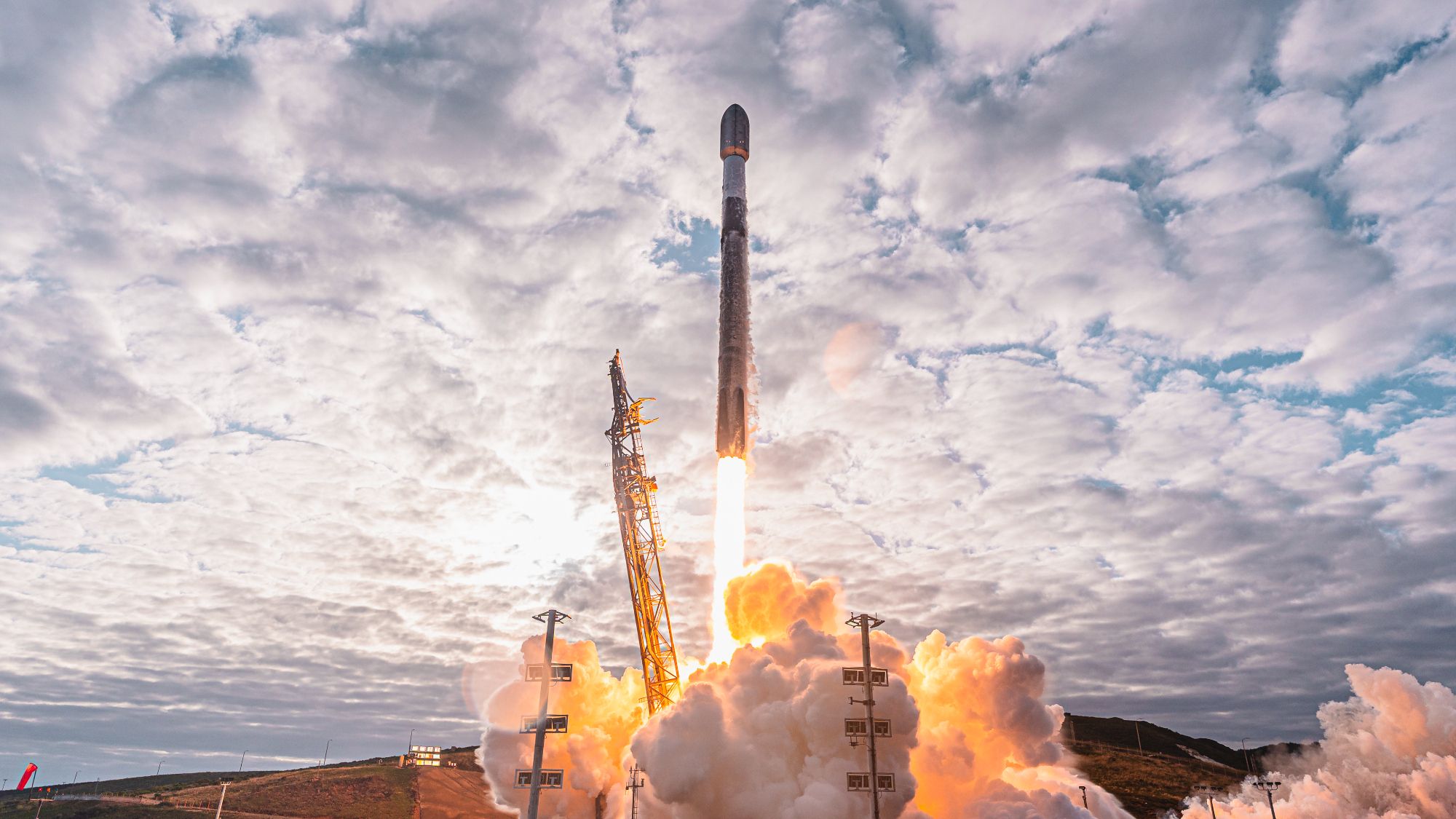
Operational Velocity and Launch Cadence
SpaceX reached its 50th mission milestone by late April, an unprecedented feat in commercial aerospace. With 42 of these missions dedicated to Starlink, the company has transitioned from research and development to high-volume industrial logistics. The utilization of flight-proven hardware, such as boosters achieving 15+ flights, demonstrates a radical shift from bespoke mission profiles to standardized, commodity-style orbital delivery.
The Economics of Reusability
The institutionalization of first-stage recovery on autonomous droneships serves as the bedrock of SpaceX’s capital expenditure strategy. By amortizing vehicle costs over dozens of flights, SpaceX has decoupled launch frequency from manufacturing constraints. This operational maturity shifts the primary focus of orbital deployment from vehicle production to payload integration and constellation density management, effectively lowering the marginal cost-per-kilogram to orbit.
Strategic Implications for Global Connectivity
Starlink’s scaling is effectively a foundational pivot in global telecommunications infrastructure. By leveraging polar orbits from Vandenberg Space Force Base, SpaceX ensures global coverage, directly challenging terrestrial and geostationary incumbents. This mass-deployment model provides a competitive advantage in latency and bandwidth that traditional players—hampered by legacy capital structures—cannot currently replicate.
Systemic Risks and Orbital Management
The reliance on the Falcon 9 as a single-vehicle architecture introduces a concentrated risk profile. Any regulatory or technical grounding of the fleet would stall the entire Starlink growth trajectory. Furthermore, managing over 10,000 active assets requires robust, automated space situational awareness to mitigate collision risks, highlighting the urgent need for evolving international traffic management standards.
Institutional Market Positioning
SpaceX’s ability to execute multiple launches within 24 hours forces a global re-evaluation of government and commercial procurement timelines. By effectively monopolizing the launch cadence, SpaceX dictates the pace of the space economy. This creates a strategic necessity for national security stakeholders to monitor the company’s influence on global communication corridors, as SpaceX continues to set the operational benchmarks for the next decade of commercial space flight.
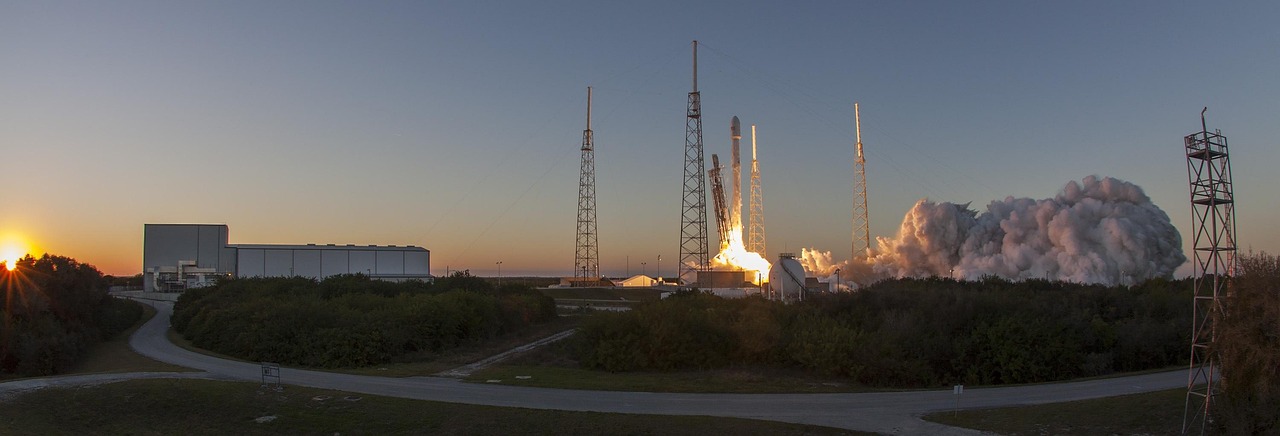
Photo by viktorleon960 on Pixabay.