Ping Secures Wyndham Clark in Landmark Putter-Only Endorsement
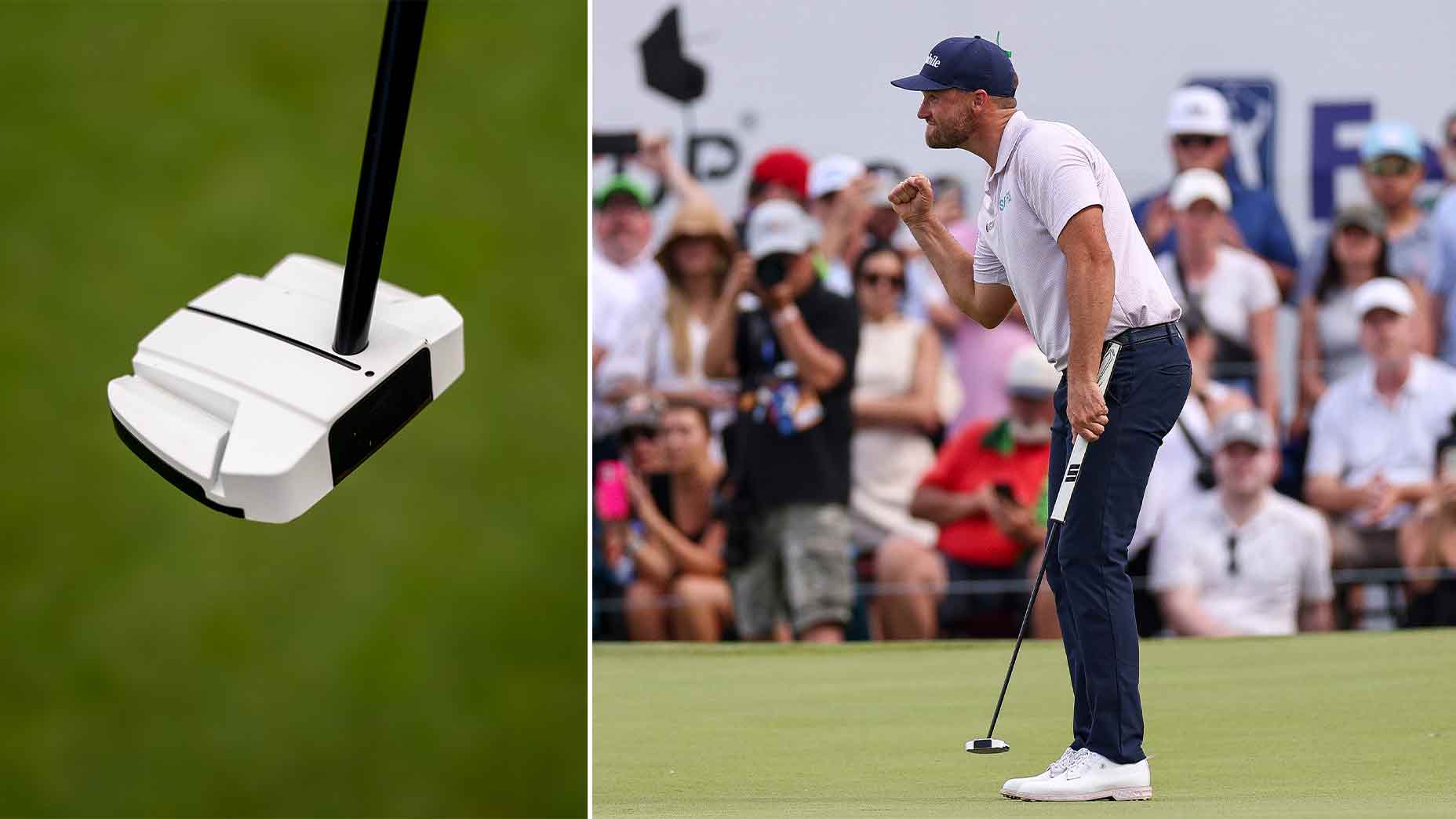
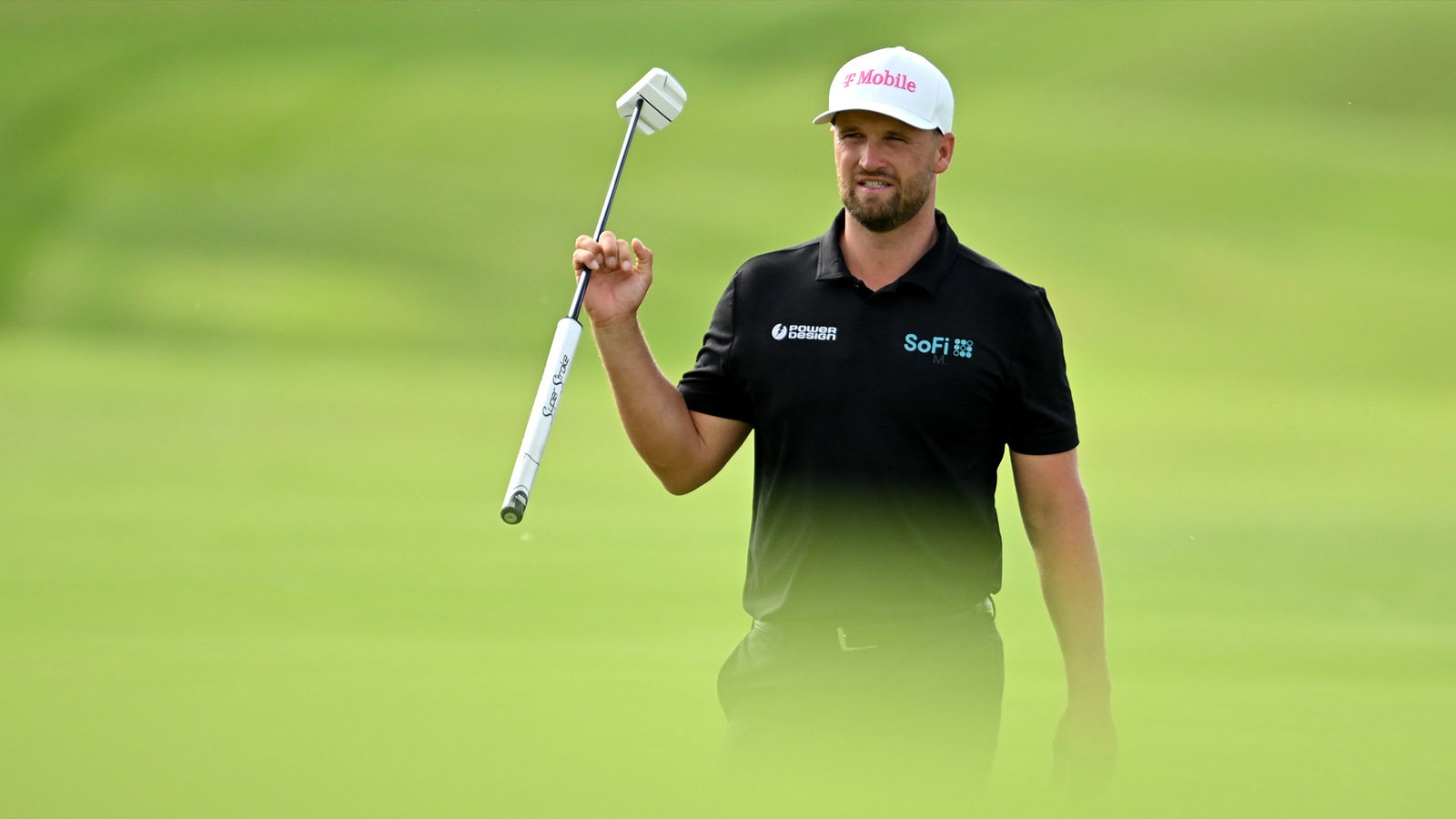
Wyndham Clark, the reigning U.S. Open champion, has officially entered into an exclusive agreement with PING, committing to use one of the brand’s putters. This pivotal move transitions him from an ‘equipment free agent’ status and underscores the critical role of specialized equipment partnerships in professional golf, particularly as he approaches the next U.S. Open.
This agreement is particularly significant for PING, representing their first putter-specific endorsement contract with a PGA Tour professional in over five decades. This strategic focus highlights a potential evolution in how equipment manufacturers approach player partnerships, prioritizing targeted product performance and brand alignment over comprehensive equipment endorsements.
Strategic Value of a Putter-Focused Deal
Clark’s decision to exclusively adopt a PING putter, specifically the Scottsdale TEC model, follows a demonstrable surge in his putting performance. His initial switch to a PING putter in March, followed by an adjustment to a heavier, counterbalanced version, has directly correlated with improved on-course results.
This equipment alignment is substantiated by Clark’s dramatic ascent in the PGA Tour’s Strokes Gained: Putting statistic. He has climbed from losing strokes per round (ranking 155th) to actively gaining strokes and ranking among the top players, indicating a strong link between the putter change and his competitive resurgence.
PING CEO & President John K. Solheim highlighted the technological advantages of the chosen putter, emphasizing its alignment features and design. The endorsement validates PING’s confidence in its product innovation’s ability to enhance player performance at the elite level.
Performance Validation and Market Impact
Clark’s recent victory at the CJ Cup Byron Nelson, where he set a PGA Tour record for Strokes Gained: Putting, serves as compelling evidence of the putter’s efficacy. His exceptional performance, including holing 158 feet of putts in the final round, showcases a mastery of the short game directly influenced by his equipment choice.
This performance leverage provides PING with tangible, data-driven proof of their putter’s competitive advantage. Such success stories are crucial for shaping consumer perception and driving demand in the intensely competitive golf equipment market.
The deal’s timing, coinciding with the U.S. Open, amplifies its market signaling effect. It strategically positions PING and Clark at the forefront of major golf narratives, potentially influencing other players’ equipment decisions and broader consumer purchasing trends.
Player Autonomy and Evolving Endorsement Models
Clark’s position as an ‘equipment free agent’ earlier in the year reflected a growing trend of player autonomy in equipment selection. This allowed him the flexibility to test various clubs to identify optimal performance.
His eventual commitment to PING’s putter signals a strategic evaluation of brand partnerships that prioritize performance and technological innovation. This could indicate a growing preference among top athletes for specialized, performance-driven collaborations.
The putter-only nature of the deal also suggests a nuanced approach to endorsement strategies within golf. Manufacturers may increasingly focus on specific product categories where they hold a distinct competitive edge, rather than pursuing all-encompassing equipment deals.
Brand Capital and Financial Considerations
For PING, securing a major champion like Clark for an exclusive putter deal represents a significant enhancement of brand capital and market positioning. While financial terms are undisclosed, such agreements typically reflect the player’s marketability and performance impact.
Clark’s endorsement offers PING a high-profile ambassador whose recent success validates the brand’s technological claims, potentially driving increased sales and brand loyalty in the competitive putter market.
Conversely, for Clark, the deal provides financial security and equipment certainty, allowing him to focus on his game. The partnership’s long-term value hinges on continued performance, impacting both parties.
Industry Shifts and Future Partnership Models
The PING-Clark agreement may signal a future where equipment endorsements become more specialized, focusing on individual club categories rather than full-bag sponsorships. This could lead to a more fragmented endorsement landscape, with players forming multiple, targeted partnerships.
Such a model could enable players to leverage their expertise and performance across various equipment segments, potentially maximizing earning potential and brand reach. It also offers opportunities for specialized manufacturers to secure high-profile endorsements.
The long-term impact of this putter-only endorsement will be closely monitored by the golf industry, potentially setting a precedent for future player-brand relationships and the evolving economics of sports marketing.
Market Dynamics and Consumer Influence
The confirmation of Clark’s PING putter deal is likely to influence consumer purchasing decisions, particularly among amateur golfers seeking to emulate professional success. The visibility of the putter during major tournaments, coupled with Clark’s performance, serves as a potent marketing tool.
This could drive increased demand for PING’s putter line, potentially affecting inventory and pricing strategies for the brand and its competitors. The success of this specialized endorsement might also encourage other manufacturers to explore similar targeted partnerships.
Furthermore, the narrative of Clark’s performance resurgence, significantly boosted by his putting, highlights the psychological and tangible impact of equipment choice, reinforcing the value of high-quality, performance-oriented gear for all golfers.
Competitive Landscape and Stakeholder Alignment
For PING, this deal solidifies its standing as a premier putter manufacturer, leveraging Clark’s status as a major champion undergoing a career resurgence. The brand capitalizes on his recent success, projecting an image of innovation and performance excellence.
For Wyndham Clark, the agreement offers a stable foundation, enabling him to concentrate on achieving further competitive success. His commitment to a single putter brand signifies confidence in PING’s technology and its role in his performance trajectory.
Competitors in the golf equipment market will likely reassess their endorsement strategies and product development in response to this trend. The focus on specialized endorsements could intensify competition in specific club categories, spurring further innovation and marketing efforts.
Media Narrative and Strategic Timing
The announcement’s timing, preceding the U.S. Open, maximizes media exposure and narrative impact. This strategic placement integrates the news into the major championship’s broader storylines, amplifying its reach.
Media coverage is expected to focus on Clark’s resurgence and the pivotal role of his PING putter. This narrative synergy creates a powerful platform for both the player and the brand, generating significant public interest.
The story also taps into the inherent drama of professional sports, where equipment choices can be as influential as player skill, driving media attention and fan engagement.
Long-Term Brand Strategy and Market Penetration
PING’s long-term brand strategy appears centered on its heritage of innovation and player-centric design, exemplified by this putter-only deal. By concentrating on a core strength, the company aims to deepen its market penetration in the putter segment.
This approach allows PING to focus marketing resources and R&D on a specific product category, potentially yielding greater returns. Clark’s partnership success will be a key benchmark for this specialized endorsement model’s efficacy.
The deal also acknowledges the influence of the modern athlete, where individual product endorsements hold significant sway. PING’s strategic move positions them to capitalize on this dynamic, fostering deeper consumer connections through a trusted, high-performing athlete.
Operational and Financial Dynamics
Operationally, PING’s commitment involves ensuring a consistent supply of Clark’s preferred putter models and providing necessary adjustments. This necessitates robust manufacturing and logistics to support a top-tier athlete.
Financially, the investment is balanced against the projected ROI through enhanced brand visibility, sales, and market share. The partnership’s success will be measured by on-course victories and its contribution to PING’s overall financial performance.
The exclusivity of the deal also streamlines PING’s marketing efforts, allowing focused promotional activities around Clark and his putter, leading to more efficient and impactful campaigns.
Cultural Resonance and Player Archetypes
Wyndham Clark’s narrative as a former ‘equipment free agent’ who achieved success after committing to a specific putter resonates with themes of dedication, refinement, and strategic decision-making. This archetype of the athlete meticulously optimizing every game aspect is compelling to fans.
The partnership reinforces the concept that even at the highest level, marginal gains through equipment can be decisive. This cultural aspect of golf, where equipment is integral, is amplified by such high-profile endorsements.
PING’s association with Clark, a major champion known for resilience and competitive drive, enhances the brand’s image, aligning PING with aspirational qualities for golfers worldwide and fostering deeper emotional consumer connections.
Future Outlook and Partnership Potential
The success of this putter-only endorsement could lead PING to pursue similar specialized deals with other players or for different club categories, strategically building a roster of athletes championing distinct product lines.
For Wyndham Clark, the immediate future involves leveraging this partnership for peak performance at the U.S. Open and beyond, with continued success serving as the ultimate validation of this strategic equipment decision.
The broader golf industry will closely observe this development, as it may redefine player endorsement landscapes and strategic partnerships between athletes and equipment manufacturers.