
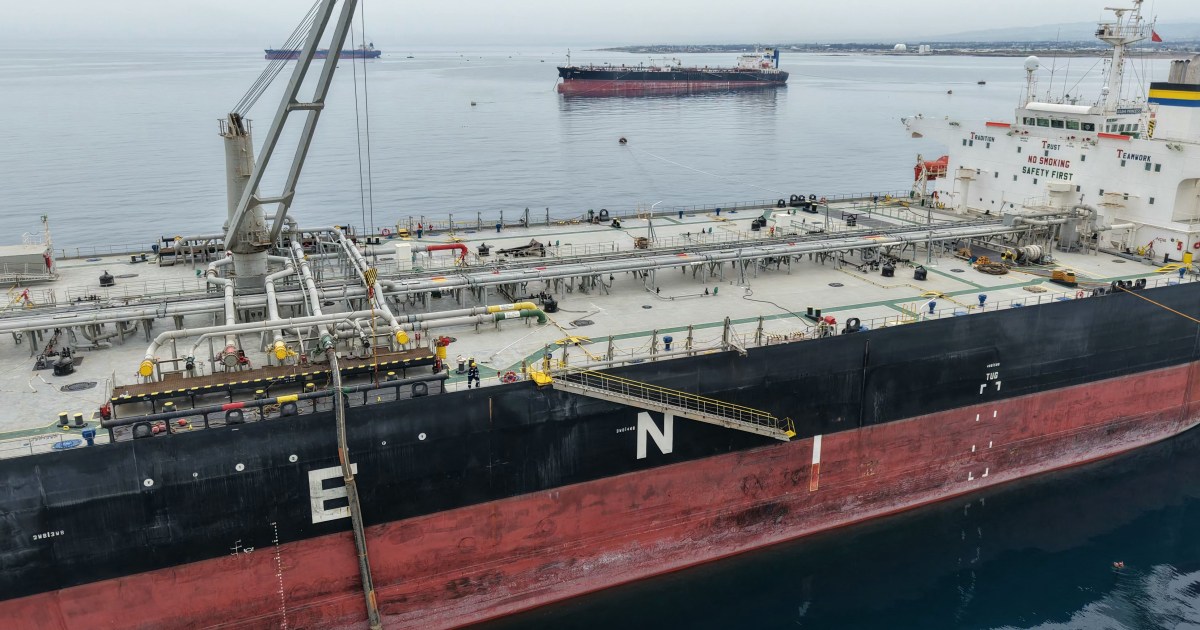
Tactical Pivot: The Militarization of the Hormuz Chokepoint
The abrupt reversal of Iran’s maritime posture—reasserting ‘strict control’ over the Strait of Hormuz a mere twenty-four hours after declaring it open—signals an intensifying phase of asymmetric warfare. Tehran frames this maneuver as a direct counter-response to a U.S. naval blockade that has operationalized interdiction protocols against Iranian ports. By neutralizing the brief window of operational normalcy, the Iranian military command is utilizing the waterway as a strategic valve, signaling its ability to toggle global energy stability in response to external economic pressure.
U.S. Interdiction Strategy and Economic Statecraft
The U.S. Navy’s enforcement of a maritime perimeter has already resulted in the diversion of twenty-one vessels since Monday, demonstrating a high-capacity interdiction capability that isolates Iranian trade from global logistical architectures. President Donald Trump has explicitly linked the duration of this blockade to the attainment of a comprehensive nuclear settlement. This move shifts the U.S. objective from tactical containment to coercive statecraft, utilizing naval dominance to force a direct confrontation between Iran’s domestic economic survival and its long-term nuclear ambitions.
The Ceasefire Paradox: Divergent Interpretations of Conflict
A fundamental diplomatic friction persists regarding the legal framework of the current hostilities. Iranian officials characterize the U.S. blockade as a material breach of a ceasefire purportedly reached last week. This highlights a significant divergence: Tehran views the cessation of hostilities as inclusive of economic relief, while Washington maintains a ‘dual-track’ approach, treating maritime interdiction as a separate instrument of pressure independent of kinetic military strikes. This disconnect renders current diplomatic progress contingent on total compliance, leaving little room for de-escalation.
Regional Interconnectivity and the Lebanon Variable
The maritime standoff is inextricably linked to the fragile ten-day ceasefire between Israel and Lebanon. While the humanitarian return of civilians to southern Lebanon continues, the military status quo remains static; Israel’s refusal to withdraw and Hezbollah’s ‘combat-ready’ posture suggest a tactical pause rather than a resolution. Because Hezbollah functions as a critical node in Iran’s regional architecture, any catastrophic breakdown in the Persian Gulf could catalyze a multi-front escalation, potentially collapsing the Lebanese theater back into active conflict.
Strategic Deadlock and Global Market Risk
The imposition of ‘strict control’ by Iran serves to externalize its economic pain, forcing international stakeholders to weigh their dependence on the Strait of Hormuz against the U.S. administration’s commitment to the blockade. With neither side incentivized to offer the first concession, the region enters a period of strategic attrition. The resulting volatility forces shipping registries and insurers to recalibrate risk models for the Persian Gulf, likely leading to sustained increases in war-risk premiums and the systemic rerouting of global energy supplies.

Photo by Kanenori on Pixabay.