Judicial Federalism and the Expansion of First Amendment Scrutiny
The Supreme Court’s intervention in the challenge against Colorado’s conversion therapy ban signals a major recalibration of the ‘professional speech’ doctrine. By favoring the petitioner, the Court has tightened the threshold for state regulatory authority, suggesting that professional conduct involving communicative interventions must now survive strict constitutional scrutiny. This pivot creates immediate litigation risk for similar statutes in 22 other states, potentially dismantling established medical regulatory frameworks in favor of individual ideological and religious expression.
This ruling disrupts the long-standing ‘police power’ presumption that allowed states to mandate clinical standards based on consensus from major medical associations. The resulting regulatory fragmentation will likely chill future legislative efforts to codify speech-based healthcare protections, as the Court increasingly prioritizes First Amendment exemptions within the commercial and medical sectors, forcing a nationwide reassessment of professional licensing oversight.
The Refinery-Import Paradox and Global Energy Instability
The military escalation involving U.S.-Israeli strikes on Iran has introduced a permanent risk premium into the Brent and WTI crude benchmarks. Despite the United States’ status as a net petroleum exporter, the domestic refining complex remains tethered to global volatility. U.S. refineries are structurally optimized for specific heavy and medium crude grades, necessitating the import of millions of barrels daily to blend with light, sweet domestic production. This technical dependency ensures that Middle Eastern hostilities translate directly into domestic price shocks at the pump.
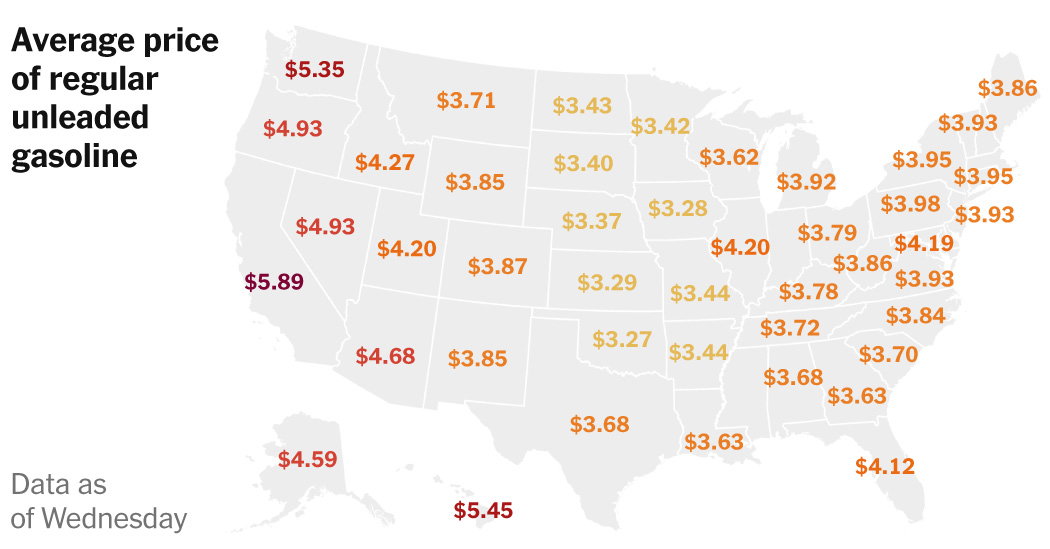
The economic fallout is manifesting through persistent inflationary pressure within the logistics and transportation sectors. As fuel surcharges rise, the resulting ‘cost-push’ inflation is expected to dampen consumer discretionary spending, complicating monetary policy for the Federal Reserve. Regional price disparities—exemplified by California’s $5.00+ average versus Oklahoma’s lower-tax hub pricing—further highlight how infrastructure bottlenecks and regulatory overhead exacerbate economic vulnerability during geopolitical crises.
Aerospace Leadership and Institutional Transparency
Parallel to terrestrial volatility, the Artemis II mission represents a critical pivot toward long-term lunar presence and Western aerospace hegemony. By integrating NASA and Canadian Space Agency crew members—Wiseman, Glover, Koch, and Hansen—the program leverages international cooperation to secure strategic advantages in the cislunar domain. This mission serves as a technocratic counterweight to domestic instability, asserting the continuity of U.S.-led scientific objectives.
Domestically, the release of high-profile law enforcement records, such as the Tiger Woods rollover footage in Florida, reflects a standardized move toward institutional transparency. These proactive disclosures are designed to mitigate reputational risk and provide a definitive digital record, though they continue to test the boundaries between public right-to-know and individual privacy. Simultaneously, President Trump’s primetime address on the Iran conflict serves as a case study in executive crisis management, seeking to consolidate public support for military objectives while framing energy-related economic hardships as necessary costs of national security.