Good Friday 2026: Solemn Observance and Catholic Tradition
Good Friday, observed on April 3, 2026, is a day of profound solemnity in the Christian calendar, commemorating the crucifixion and death of Jesus Christ. As the day preceding Easter Sunday’s celebration of the resurrection, it forms a critical narrative in Christian theology. Observance is marked by distinct liturgical practices and adherence to specific religious disciplines, particularly within Catholicism.
For Catholics, Good Friday is an obligatory day of fasting and abstinence, signifying a period of sorrow and penance that extends Lenten practices. Specific age restrictions govern participation in these disciplines. The day’s gravity necessitates a departure from typical Mass, underscoring the unique theological weight of Christ’s sacrifice.
Unique Liturgical Structure and Denominational Practices
Catholic observance on Good Friday is distinguished by its unique liturgical structure, notably the absence of a Mass and the non-celebration of the Eucharist. Services instead focus on the Passion narrative, the veneration of the cross, and communion distributed from hosts consecrated on Holy Thursday. These elements highlight the somber focus on Christ’s ultimate sacrifice.
Variations exist across Christian denominations, often incorporating historical traditions like elaborate processions. The date itself can differ; Orthodox Christians, for example, observe Good Friday on April 10, 2026, reflecting distinct calendrical and liturgical traditions.
Theological Significance and Observance Regulations
Theological significance centers on the remembrance of Jesus’ death on the cross, a pivotal event in Christian salvation history, directly preceding the resurrection. This observance is a deliberate act of internalizing this foundational sacrifice.
Catholic regulations for Good Friday mandate abstinence from meat for individuals aged 14 and older, and fasting for those between 18 and 59. Fasting involves one full meal and two smaller meals, ensuring a spirit of penance and solidarity with Christ’s suffering.
Cultural Dimensions and Preparations for Easter
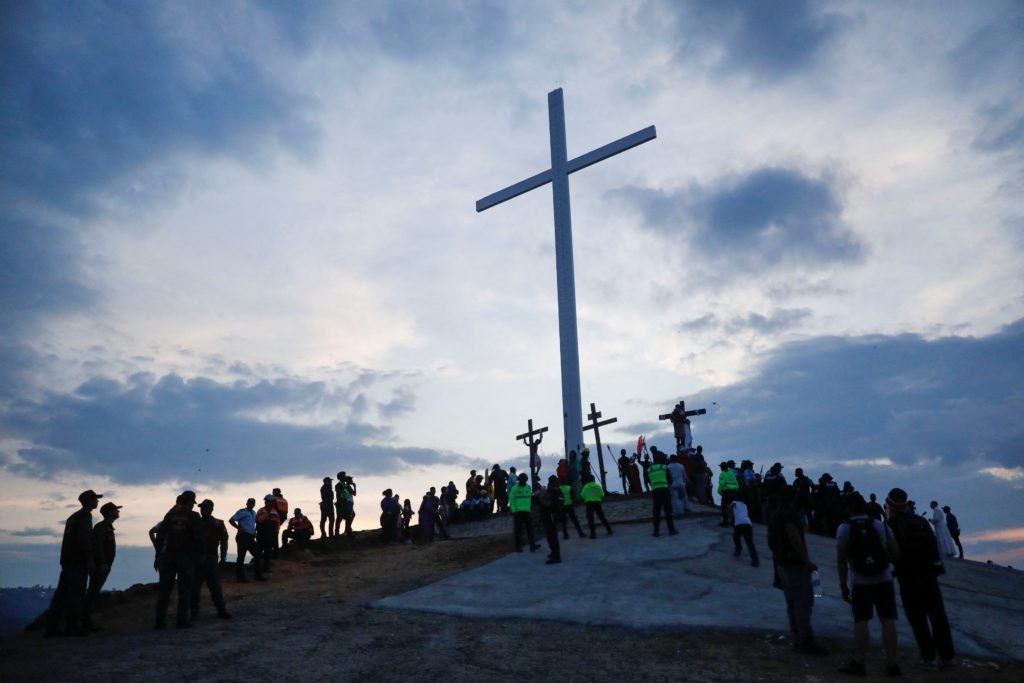
Beyond liturgical requirements, Good Friday often encompasses broader cultural and social dimensions, particularly in communities with significant Christian populations. Public processions and visible expressions of faith are common. These events underscore the societal impact of religious observances.
The contrast between Good Friday’s solemnity and the subsequent preparations for Easter celebrations highlights the Christian theological progression from sacrifice to redemption, emphasizing the redemptive narrative central to the season.
Institutional Guidance and Religious Authority
Religious authorities, such as the United States Conference of Catholic Bishops (USCCB), provide directives and theological interpretations for the faithful, ensuring consistent practice. The USCCB’s resources are foundational for understanding and observing significant religious holidays.
These institutions reinforce the structured nature of religious observance and its connection to broader religious life, offering context on theological issues and their application.
Historical Context and Enduring Tradition
Rooted in centuries of tradition, Good Friday’s observance has evolved through various historical periods and cultural contexts. Rituals and interpretations are shaped by ecumenical councils and papal encyclicals, demonstrating enduring significance in Christian theology and practice.
Religious orders, like the Franciscan Friars, contribute to the ongoing transmission of tradition, ensuring historical and theological dimensions are communicated to contemporary adherents.
Economic and Societal Impact
While not a federal holiday in the U.S., Good Friday impacts business operations and public life in certain regions. Some states observe it as a holiday, leading to closures of government offices and financial markets, reflecting varying cultural integration of religious holidays.
Reduced commercial activity in areas of observance influences consumer behavior and workforce availability, intersecting with broader societal and economic patterns.
Media Representation and Public Understanding
Media outlets, including the Associated Press and PBS Newshour, inform the public about Good Friday’s significance, timing, and customs, extending awareness beyond religious communities.
Framing in public discourse shapes societal understanding of Christian traditions, contributing to interfaith dialogue and cultural appreciation by explaining rituals and theological importance.
Enduring Relevance and Future Observance
The continued solemn observance of Good Friday reflects its enduring importance in the Christian faith. While observational practices may adapt to evolving societal norms, the core theological significance remains constant, securing its place as a precursor to Easter.
The emphasis on fasting and abstinence, a spiritual discipline and penitential act, continues to be a key element in the Catholic approach, underscoring its relevance for spiritual renewal.