Architectural and Commercial Expansion
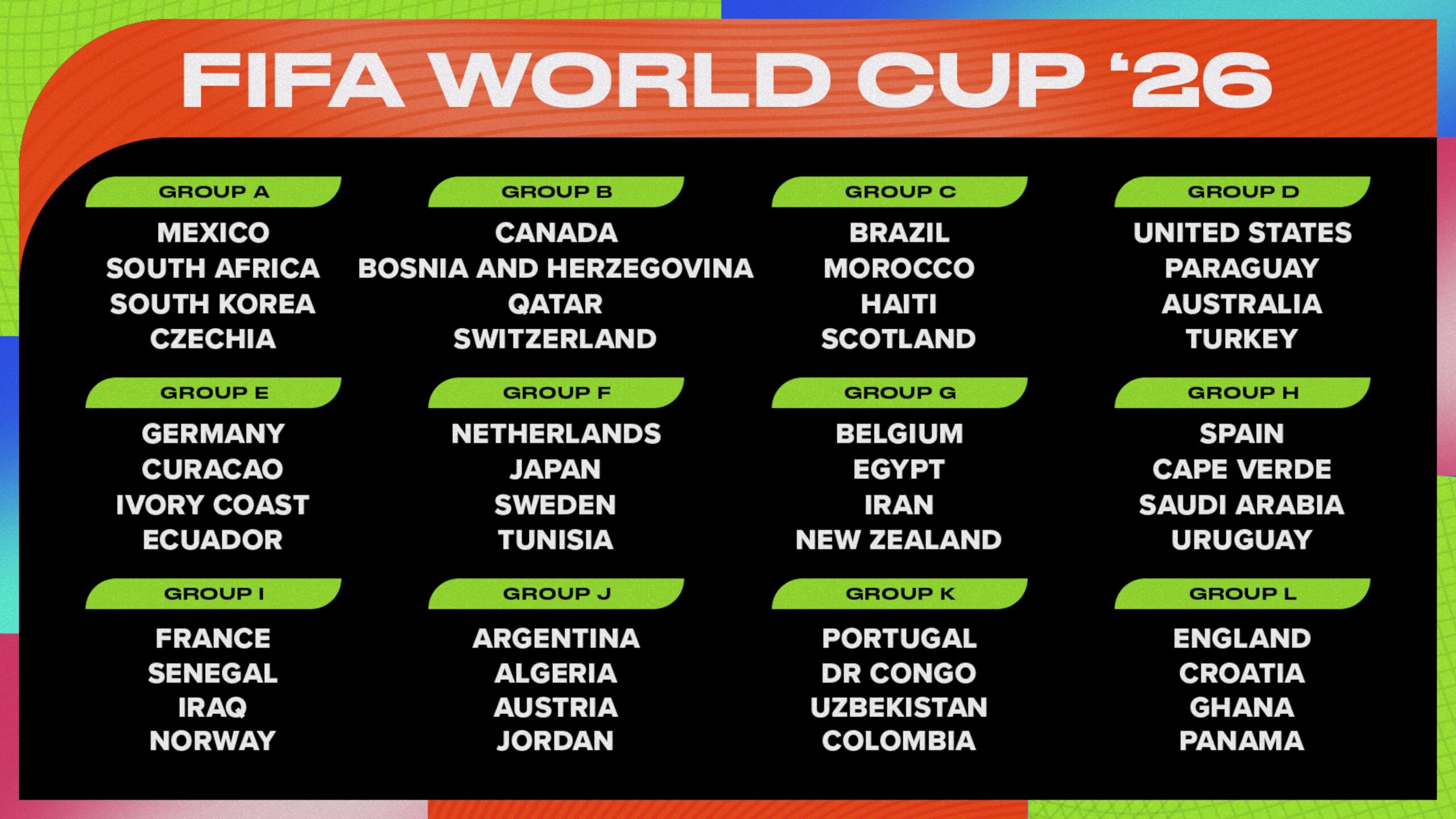
The 2026 FIFA World Cup represents a paradigm shift in the commercial and structural organization of international football. By expanding the field to 48 teams, FIFA has moved beyond a numerical increase, implementing a complex logistical framework across 16 host cities in the United States, Mexico, and Canada. This strategic scaling aims to penetrate emerging market segments while utilizing high-capacity NFL infrastructure—such as SoFi Stadium and MetLife Stadium—to maximize spectator throughput and premium hospitality revenue.
Media Landscape and Digital Transformation
The tournament’s broadcasting strategy signals a decisive transition toward direct-to-consumer models. In the U.S., the bifurcation of English-language rights (Fox/FS1) and Spanish-language rights (Telemundo/Universo) is augmented by the integration of Fox ONE and Peacock. This multi-platform approach optimizes viewership across diverse time zones, catering to the evolving consumption habits of a digital-native audience while securing the high-value North American demographic.
Early Group Stage Dynamics and Tactical Parity
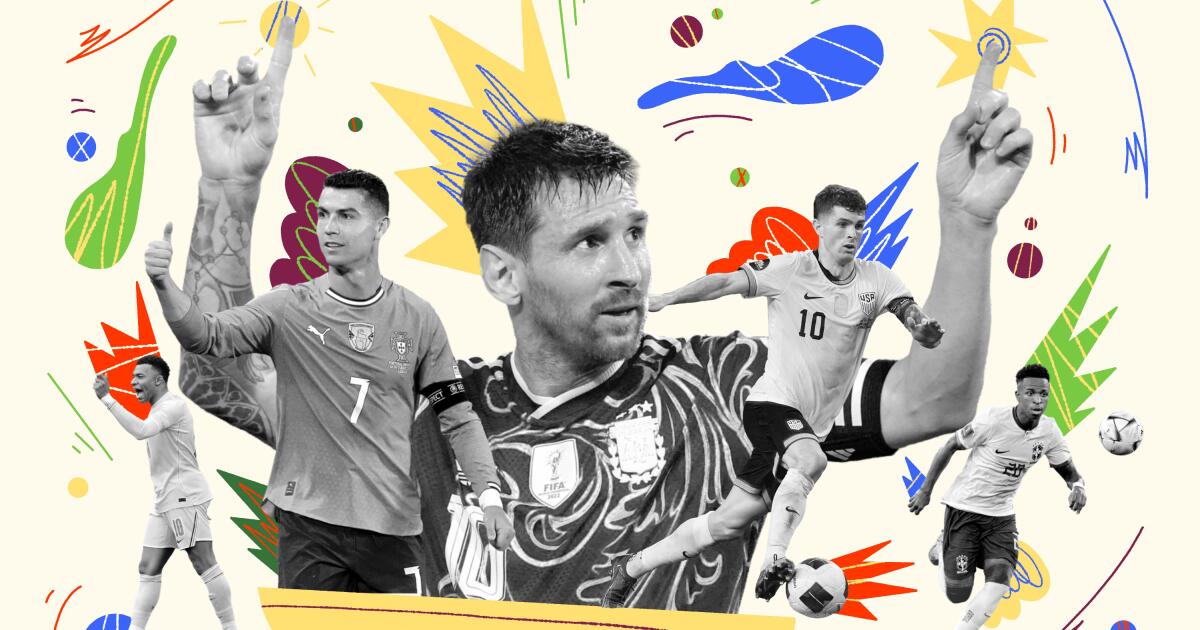
Initial competitive results reveal the impact of the 48-team format on tournament volatility. While established powers like Germany and Argentina have demonstrated clinical efficiency—highlighted by Germany’s +6 goal differential and a Lionel Messi hat-trick—other groups exhibit unprecedented parity. Group B, where Switzerland, Canada, Qatar, and Bosnia and Herzegovina remain deadlocked, suggests that the expanded format may drive conservative tactical shifts as teams prioritize defensive stability to navigate the heightened stakes of the early rounds.
Logistical Friction and Developmental Narrative
The tri-national hosting model introduces significant physiological and operational challenges, requiring teams to manage recovery across vast geographic distances and varying altitudes, from Mexico City to Santa Clara. Furthermore, the return of nations like the Democratic Republic of the Congo after a 52-year absence underscores the tournament’s role as a vehicle for global football development. However, logistical vulnerabilities—evidenced by the cancellation of international friendlies due to health protocols—remain a critical variable in tournament readiness.
Conclusion: The Future of Global Sports Management
The 2026 World Cup serves as a laboratory for large-scale sports management. Its success depends on balancing the inclusivity of an expanded field with the operational excellence required by a multi-national host structure. As the group stage progresses, the ability of both host infrastructure and national federations to adapt to these unprecedented demands will define the legacy of this pivotal moment in sporting history.