MTA Vehicle Explosion Ignites Scrutiny of Urban Transit Infrastructure Safety
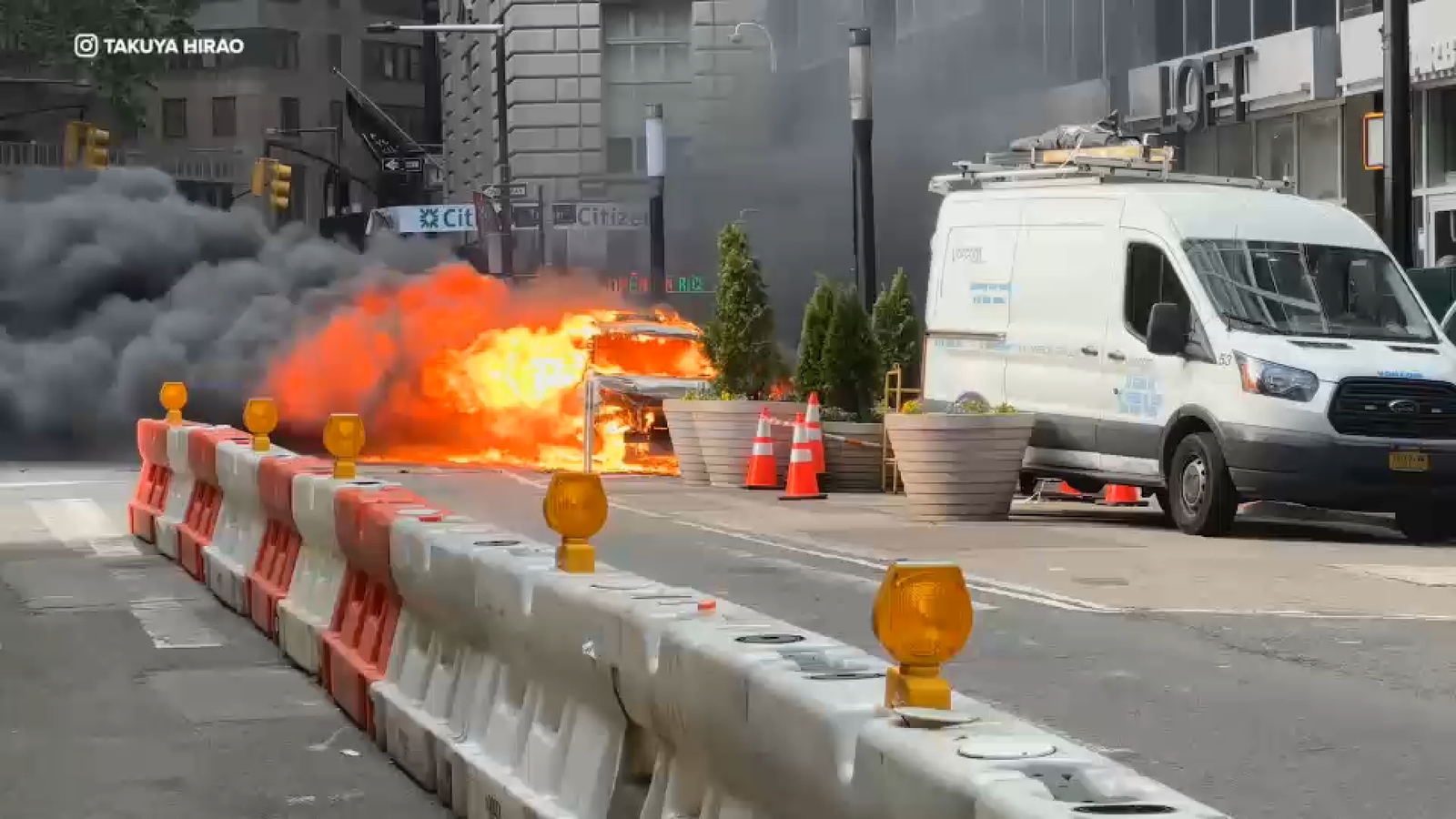
A dramatic fire that escalated into an explosion involving an MTA-affiliated vehicle in Lower Manhattan has cast a spotlight on the operational safety and inherent vulnerabilities within New York City’s critical transit infrastructure. The incident, occurring near the financial district, generated significant public alarm and necessitated a rapid emergency response.
The vehicle, observed engulfed in flames before detonating, points to potential failures in fleet maintenance or vehicle integrity. This raises immediate concerns about the rigorousness of maintenance protocols and the amplified risks associated with operating large vehicle fleets in densely populated urban environments.
The rapid progression from fire to explosion underscores the volatile nature of vehicle fires, particularly in congested urban settings. Witness accounts and viral footage vividly illustrate the public’s exposure to such catastrophic events and the paramount importance of swift, effective emergency services.
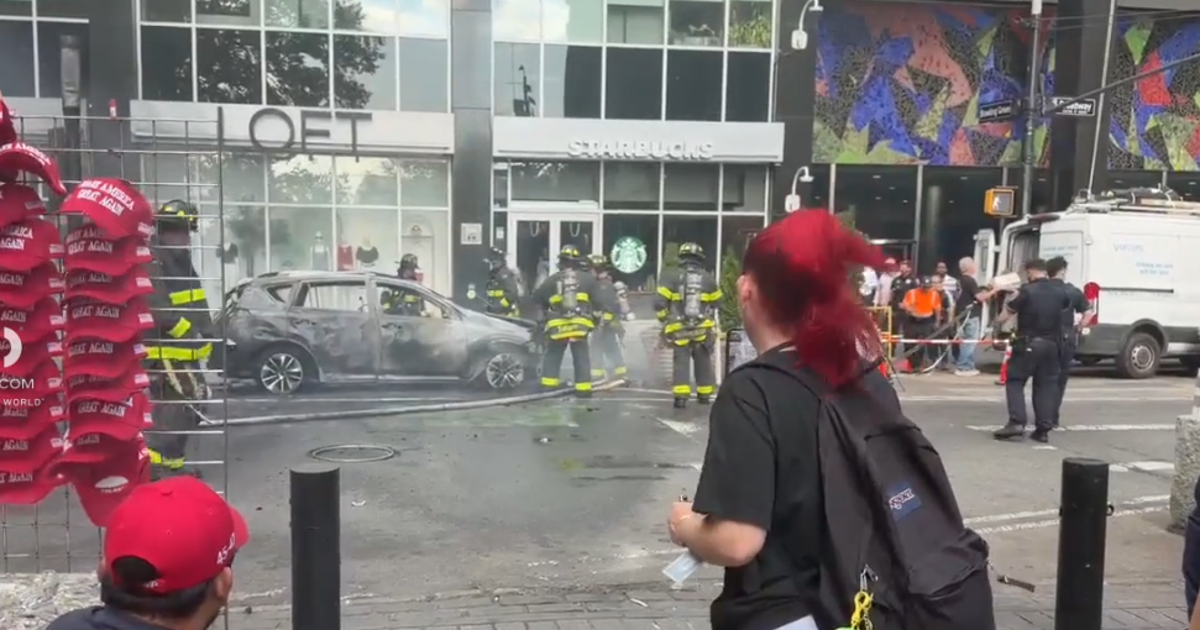
FDNY units responded promptly, containing the blaze within hours, demonstrating crucial capacity in managing significant urban emergencies. The absence of reported injuries is a critical positive outcome, preventing immediate human casualties.
While the specific cause remains under investigation, preliminary indications suggest a potential electrical fault. This highlights a systemic concern for the electrical integrity of vehicles within public transit systems, especially as fleets increasingly integrate complex hybrid and electric powertrains.
The incident’s proximity to MTA headquarters and the Wall Street financial hub amplifies its significance, underscoring the potential for disruption to essential city services and economic activity, even from isolated fleet incidents.
Online dissemination of the event underscores the pervasive reach of digital media in documenting emergencies and disseminating information rapidly, necessitating vigilant information management.
The vehicle’s complete destruction serves as a stark visual of the destructive potential and capital loss, prompting a review of asset management and fleet replacement cycles.
Occurring during peak rush hour, the incident intensified the risk of public exposure and presented complex logistical challenges for emergency responders navigating dense city traffic.
The investigation into the potential electrical fault points to a need for enhanced diagnostic and preventative maintenance procedures, addressing both aging vehicle infrastructure and challenges related to modern power systems.
The strategic implications for the MTA are substantial, potentially triggering broader reviews of fleet safety standards, procurement policies, and the integration of new vehicle technologies beyond immediate operational disruptions and replacement costs.
This event serves as a crucial case study for urban planning and emergency management, emphasizing the necessity of robust fire suppression capabilities and rapid response protocols for vehicle fires in high-density areas.
Financial exposure extends beyond the damaged asset, encompassing potential insurance increases, enhanced safety measure implementation costs, and reputational damage from intense public and media scrutiny.
The incident may compel a re-evaluation of vehicle deployment, testing, and certification, particularly as the sector transitions to electrification and more complex powertrains.
The market for fleet management and vehicle safety technologies is likely to see increased demand as entities seek to mitigate similar risks, potentially accelerating investment in advanced fire detection and suppression systems.
Public confidence in transit reliability is a critical asset. Incidents like this, even without injuries, can erode public trust, demanding proactive communication from the MTA.
The regulatory landscape for public transit fleet safety may face renewed scrutiny, potentially leading to updated regulations for emerging technological risks.
Economic impacts include traffic disruption and indirect costs from emergency response resource diversion.
The MTA’s strategic positioning as a reliable and safe provider is challenged, requiring demonstrated accountability and enhanced safety protocols.
Internal MTA culture may shift towards heightened safety awareness and a prioritization of preventative maintenance and risk assessment.
The systemic tension lies in balancing operational efficiency with the imperative for absolute safety, highlighting the cascading effects of single points of failure.
Capital implications may include increased budget allocations for fleet modernization, advanced safety features, and stringent maintenance contracts.
MTA performance leverage will be measured by the thoroughness of its investigation, corrective actions, and transparent communication to rebuild public trust.
Competitive positioning in public transportation hinges on reliability and safety; perceived compromises can impact ridership and funding.
The media’s role in disseminating information necessitates careful management of public perception and accurate reporting.
The MTA’s institutional response will shape future policy and operational directives, with a comprehensive investigation expected to yield sector-wide insights.
Downstream effects for automotive manufacturers could include increased scrutiny on electrical systems and fire safety, potentially influencing design standards.
This incident marks a point where current transit technologies are tested under high-consequence, real-world conditions, fitting into historical patterns of adoption and safety reassessment.
Governance of public transit agencies involves complex oversight; this event may trigger policy adjustments at multiple levels.
The evolving urban mobility market demands that innovation be paired with robust safety and risk management frameworks.
Strategic MTA evaluation must now integrate a forward-looking assessment of fleet electrification risks and advanced safety technology integration.