Richmond Shooting Exposes Critical Public Safety Gaps
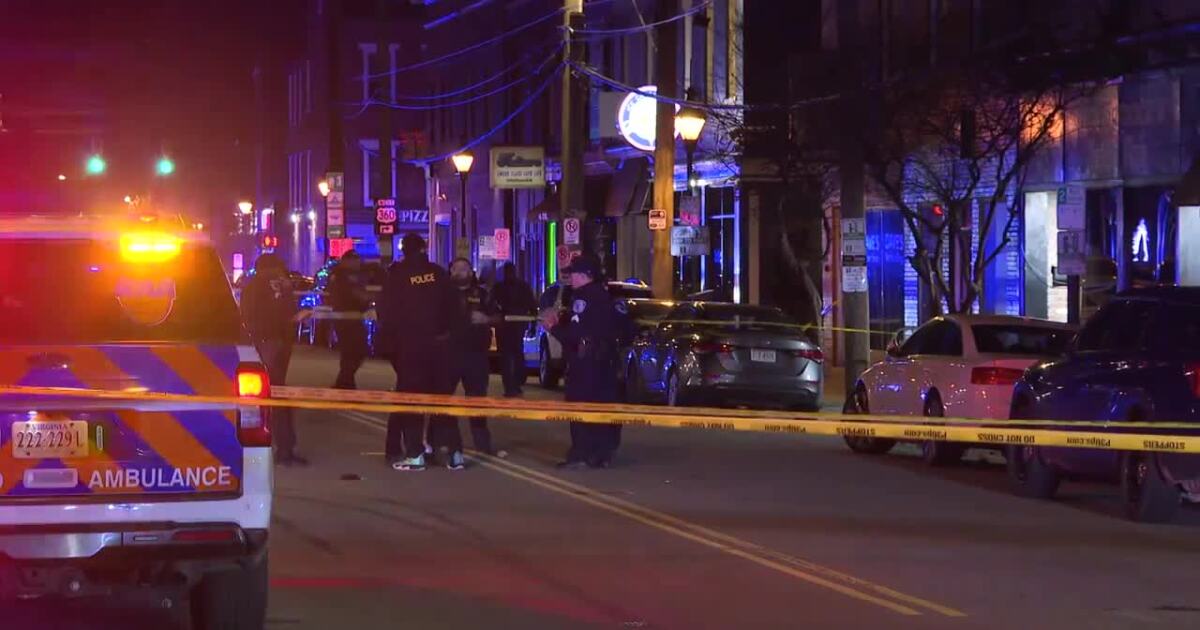
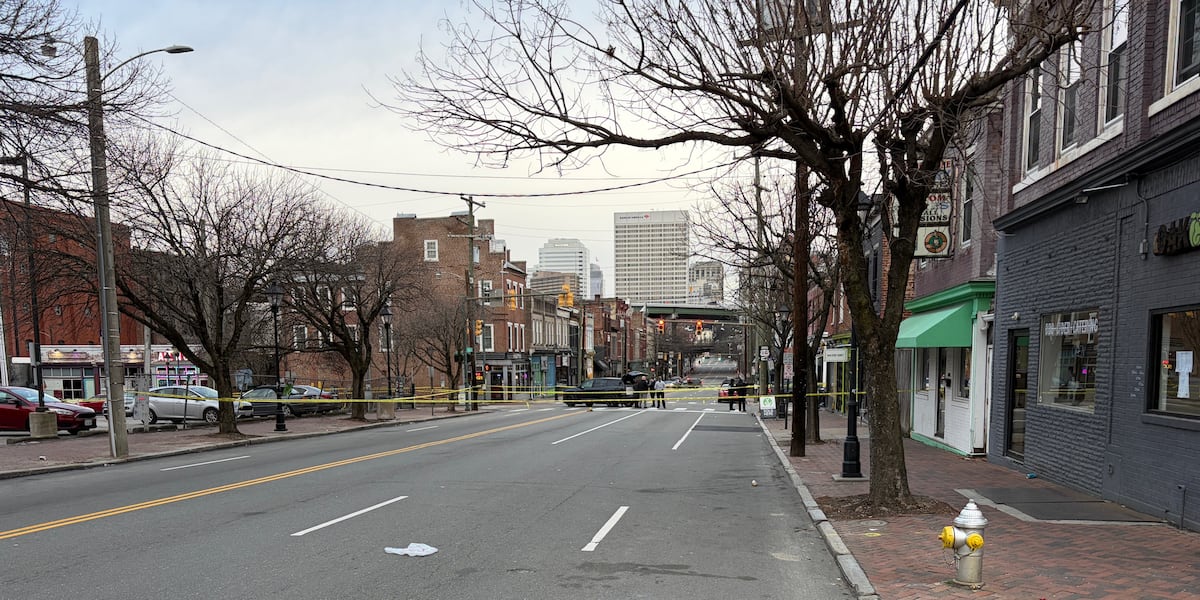
A devastating early Saturday morning shooting in Richmond’s Shockoe Bottom neighborhood left two individuals dead and seven others injured. The incident, occurring around 2:47 a.m. on North 18th Street, involved a significant number of victims, suggesting a large-scale violent event rather than a targeted attack.
The chaotic scene was observed by a Richmond Police officer already present, who witnessed a large commotion and fleeing vehicles. This officer’s rapid response led to the discovery of the first victim, an adult woman, who was pronounced deceased at the scene from multiple gunshot wounds.
The deceased woman, identified by family as 23-year-old Genesis Jones, was reportedly in Shockoe Bottom to celebrate her younger brother’s birthday. Her death, a result of being struck by gunfire while walking, exemplifies the indiscriminate nature of gun violence and its devastating personal toll.
Family members described a prevalent awareness of frequent gunfire in Shockoe Bottom, indicating a concerning normalization of violence that directly challenges public safety initiatives. This suggests a systemic issue where routine violence desensitizes residents and complicates efforts to address root causes.
Responding officers subsequently discovered an unresponsive adult male victim, also pronounced dead at the scene from apparent gunshot wounds. This second fatality elevates the incident to a mass shooting, intensifying the urgency for law enforcement to identify perpetrators and prevent further violence.
In total, nine adults were shot. The casualties include two fatalities, one person with life-threatening injuries, and six with non-life-threatening wounds, underscoring the varied and severe impact of the gunfire on those present.
The Richmond Police Department has not yet disclosed the catalyst for the shooting, leaving a critical information gap regarding the event’s origins and potential future risks. This lack of immediate clarity places pressure on the department for a thorough investigation and transparent communication with the affected community.
Law enforcement has appealed to the public for information, providing contact details for Major Crimes Detective J. DeBoard and Crime Stoppers. This reliance on community intelligence is standard when immediate leads are scarce but highlights potential limitations in complex, multi-victim investigations.
Shockoe Bottom, a well-known entertainment and nightlife hub, faces renewed scrutiny regarding the efficacy of public safety measures in crowded, late-night urban areas. Despite the presence of an officer in the vicinity, the scale of the violence indicates that existing patrols and security protocols may be insufficient to deter or immediately contain such events.
For residents, business owners, and city officials, the shooting represents a significant blow to Shockoe Bottom’s perceived safety and appeal. Business owners anticipate economic repercussions from decreased patronage due to safety concerns, while residents experience heightened anxiety and a diminished sense of security.
City officials and law enforcement are under pressure to demonstrate a robust response, focusing on apprehending those responsible and implementing strategies to prevent recurrence. This may involve re-evaluating resource allocation for policing entertainment districts, enhancing surveillance, or exploring community-based violence interruption programs.
The financial implications extend beyond immediate medical costs and property damage, encompassing increased security measures, potential litigation, and the long-term impact on tourism and local commerce. The reputational damage to Shockoe Bottom as a safe entertainment destination is a significant concern.
Strategic decisions made by the Richmond Police Department and city leadership will be closely scrutinized. Their ability to ensure transparency, deliver justice, and implement effective preventative measures will shape public trust and Shockoe Bottom’s future viability as a thriving urban district.
The imperative for law enforcement is to restore order and public confidence, while the risk lies in failing to address underlying issues contributing to such violence, potentially leading to further incidents and a sustained decline in public safety perception.
Community engagement and information sharing are critical for the investigation’s success. However, statements suggesting a normalization of gunfire hint at potential erosion of trust or a sense of futility in reporting, which law enforcement must actively address.
Potential capital implications include increased private security investment by businesses or reallocation of public funds towards enhanced policing and community safety initiatives. Conversely, escalating violence could deter new investment and lead to capital flight.
The city’s performance will be measured by its capacity to solve this crime and demonstrate tangible improvements in public safety metrics. Failure could result in declining economic activity and increasing social challenges.
The city government faces significant exposure, being responsible for citizen safety. Prolonged high-profile violence can lead to political ramifications, including demands for leadership changes and more effective governance.
Media reporting is crucial for informing the public and ensuring institutional accountability. Narratives must balance reporting the gravity of the situation with the need for systemic solutions, avoiding sensationalism.
Long-term consequences may include re-evaluating urban planning and zoning in entertainment districts to mitigate risks associated with large gatherings. This could involve stricter regulations, enhanced crowd management, and improved infrastructure.
Community organizations and advocacy groups have an opportunity to leverage this incident to push for policy changes addressing root causes of violence, such as poverty and lack of opportunity. Their impact depends on their ability to mobilize public support and influence policy.
Capital investment in Shockoe Bottom’s revitalization may be jeopardized if perceptions of danger become entrenched, potentially diverting developers and investors to safer areas and stagnating economic development.
The Richmond Police Department’s performance will be evaluated on its ability to foster community trust and implement intelligence-led strategies, shifting from reactive enforcement to a comprehensive safety approach.
Elected officials face immense exposure, being accountable for public safety. Their response will critically influence their electoral prospects and governing effectiveness.
Media coverage will shape public perception, potentially exacerbating fear or fostering collective responsibility. A balanced approach highlighting tragedy and potential for positive change is essential.
Shockoe Bottom’s evolving safety landscape depends on a multi-faceted approach involving law enforcement, city government, businesses, and residents. Without sustained, coordinated effort, violence may persist, impacting community aspirations for a safe future.
Future public safety investment decisions in Richmond will be informed by lessons learned from this tragedy, with critical components including resource allocation, new policing strategies, and stakeholder engagement.
Financial incentives for businesses may diminish if safety concerns are unaddressed, potentially reducing city tax revenue and straining public safety efforts through a feedback loop of reduced resources.
Community leaders’ performance leverage lies in their ability to advocate for policy changes addressing violence’s root causes, including poverty and inadequate mental health services.
Richmond’s tourism sector faces concerns, as negative publicity surrounding violent crime can deter visitors, impacting hospitality businesses.
Continued media reporting on the investigation and policy changes will be instrumental in maintaining public awareness and driving demand for accountability and reform.
Long-term structural impacts on Shockoe Bottom could necessitate a fundamental reevaluation of its purpose and design, prioritizing a more secure and welcoming environment.
Richmond’s institutions must adapt and innovate to evolving public safety threats, embracing new strategies and fostering stronger community partnerships.
Capital investment in community programs addressing violence’s root causes is as crucial as investments in policing and infrastructure for sustainable change.
The city’s performance in reducing violent crime and improving resident quality of life will be the ultimate measure of success in overcoming the challenges highlighted by this event.
The city’s leadership faces significant exposure, requiring a clear, effective plan to prevent future tragedies and build a safer, more resilient community.
Media amplification of community voices and successful interventions is vital for fostering hope and collective action.
Shockoe Bottom’s potential to become a model for urban safety and community resilience hinges on sustained, collaborative stakeholder effort, transforming crisis into opportunity for lasting change.
Richmond’s strategic imperative is to shift from reactive measures to a proactive, community-centered approach to public safety, addressing complex socio-economic factors contributing to gun violence through long-term vision and sustained commitment.
The financial implications of inaction are substantial, encompassing direct crime costs and indirect costs of diminished economic opportunity and social fragmentation.
The city’s performance leverage lies in fostering collaboration between law enforcement, community groups, and residents to create a unified front against violence.
Richmond’s exposure as a city is tied to its ability to provide a safe environment for all. This incident serves as a stark reminder of ongoing challenges in achieving that goal.
Ongoing media coverage will be instrumental in maintaining public awareness and driving demand for accountability and effective solutions.
The long-term structural impact on Shockoe Bottom could involve a fundamental reevaluation of its purpose and design, with an emphasis on creating a more secure and welcoming environment for all.
Richmond’s institutional capacity to adapt and innovate in the face of evolving public safety threats will be tested, requiring a willingness to embrace new strategies and foster stronger partnerships with the communities they serve.
Capital investment in community programs aimed at addressing the root causes of violence will be as crucial as investments in policing and infrastructure; a holistic approach is essential for sustainable change.
The city’s performance in reducing violent crime and improving the quality of life for its residents will be the ultimate measure of its success in overcoming the challenges highlighted by this tragic event.
The exposure for the city’s leadership is significant, as they must demonstrate a clear and effective plan to prevent future tragedies and to build a safer, more resilient community.
The media’s role in amplifying community voices and highlighting successful interventions will be vital in fostering a sense of hope and collective action.
The potential for Shockoe Bottom to emerge from this tragedy as a model for urban safety and community resilience depends on a sustained and collaborative effort from all stakeholders, transforming a moment of crisis into an opportunity for meaningful and lasting change.