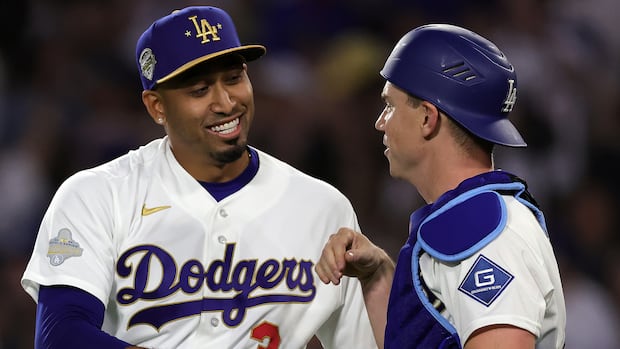
World Series Rematch Tests Strategic Leverage in Early Interleague Play
An early-season World Series rematch between the Los Angeles Dodgers and the Toronto Blue Jays introduces significant competitive and strategic dimensions typically reserved for late-season contests. The three-game series serves as an immediate test of organizational resilience for the Blue Jays and institutional dominance for the Dodgers, who secured their repeat championship by winning Games 6 and 7 in Toronto during the previous fall’s World Series. This matchup is notable for its rarity in modern baseball, marking only the second time since 1997 that a World Series rematch has occurred this early in the subsequent season, following the Royals-Mets meeting in 2016.
Strategic and Psychological Implications for Both Clubs
The timing of this interleague series creates distinct psychological pressures. For the Blue Jays, hosting the Dodgers so soon after losing the championship on their home field offers an immediate opportunity for strategic redemption. The series tests their ability to overcome the institutional memory of defeat and demonstrate offseason adjustments against the team that ended their aspirations. Conversely, the Dodgers, having achieved back-to-back championships (a feat previously accomplished by the 1998-2000 Yankees), aim to reinforce their dynastic status and maintain psychological leverage over a recent competitor by returning to the site of their championship victory.
Pitching Dynamics: Historical vs. Current Leverage
The Tuesday night pitching matchup between Yoshinobu Yamamoto (Dodgers) and Kevin Gausman (Blue Jays) provides a specific focal point for strategic analysis, contrasting historical performance leverage against current form leverage.
Yamamoto brings significant psychological advantages from his previous high-stakes performances against the Blue Jays. He started Games 2 and 6 of the World Series in Toronto, ultimately closing out Game 7 with a dominant relief outing to secure the final eight outs for the championship. This historical success at Rogers Centre grants the Dodgers a strategic edge in deploying him against a lineup that has struggled to solve him in high-pressure situations. The Blue Jays face a direct challenge in demonstrating a new strategic approach against an opponent who has consistently outmatched them in critical moments.
Conversely, Gausman enters the series with exceptional current form. Through two early-season starts, he boasts 21 strikeouts and zero walks across 12 innings, allowing only one run. This level of control and strikeout efficiency presents a significant challenge to the Dodgers’ offense. While Yamamoto’s leverage derives from past high-stakes success against this specific opponent, Gausman’s leverage is based on his current dominance, forcing the Dodgers to adjust to a pitcher in peak form.
Market Value and Interleague Scheduling
The high-profile nature of this World Series rematch generates significant media interest and market value. The national broadcast on TBS outside local markets highlights the commercial value of interleague play and high-stakes rematches in driving viewership and advertising revenue. Furthermore, the Dodgers’ use of Spanish-language radio broadcasts (KTNQ 1020 AM) illustrates a calculated strategy to expand market reach and strengthen connections with diverse fan bases.
For the Blue Jays, hosting this specific rematch early in the season maximizes local media engagement and ticket sales. The return of the team that defeated them in the World Series provides residual competitive tension, allowing the organization to capitalize on fan interest and potentially boost early-season attendance and local broadcast ratings. This early scheduling, while unique, accelerates the competitive cycle for both teams and provides valuable insight into long-term strategic decisions regarding resource allocation and roster management.