“The Gentlemen” Season 2: Analyzing a Significant Viewership Decline Amidst Strategic Renewal
Netflix’s “The Gentlemen” Season 2 premiered on September 3rd, attracting 6.7 million views within its initial four days, securing the third position on the platform’s English TV list. This debut, however, marks a substantial 45% decline compared to the audience engagement metrics of its predecessor’s premiere. This sharp reduction in initial viewership presents a critical case study for Netflix regarding its ability to sustain audience interest in established series, a trend increasingly observed across the streaming landscape.
The 45% drop challenges the long-term viability of content franchises and highlights evolving consumption habits among subscribers. Despite this significant dip, Netflix has strategically greenlit a third season, signaling a commitment to Guy Ritchie’s established brand and the franchise’s intellectual property. This renewal decision, in the face of declining initial engagement, suggests a broader strategic play that might prioritize brand equity, global appeal, or a dedicated core audience over immediate viewership spikes.
For context, Season 1 of “The Gentlemen” had previously peaked at fifth in the weekly Top 10 with 3.2 million views, demonstrating a strong initial reception that Season 2 has struggled to replicate. The current performance positions Season 2 to potentially maintain a middling presence in the rankings, rather than achieving a breakout success. The competitive landscape saw “Death of a Pastor’s Wife” leading with 13.9 million views, followed by “Tyler Perry’s Beauty in Black” Season 3 at 8 million, underscoring the varied engagement levels across Netflix’s diverse content library.
Navigating Audience Fatigue: Industry Trends and Franchise Longevity
The performance of “The Gentlemen” Season 2 aligns with broader industry observations regarding potential audience fatigue with established franchises and the increasing challenge of maintaining consistent viewership for returning series. This phenomenon significantly impacts content valuation and investment strategies across the entertainment sector. Netflix, as a dominant player, continuously grapples with balancing investment in new intellectual property against the cultivation of existing franchises. The observed audience decline for “The Gentlemen” highlights the delicate equilibrium required to sustain subscriber interest and growth in a saturated market.
The strategic imperative for streamers is to identify content that not only attracts initial viewership but also fosters sustained engagement across multiple seasons. Factors such as narrative quality, marketing effectiveness, and the evolving competitive landscape all play crucial roles in this endeavor. The decision to proceed with Season 3 suggests that Netflix perceives residual value in the franchise, potentially through brand recognition, critical acclaim, or a loyal audience segment that transcends immediate debut viewership figures, reflecting a strategy to leverage established brands for long-term subscriber retention rather than short-term spikes.
Star Power and Personal Narratives: Kaya Scodelario Amidst Series Performance
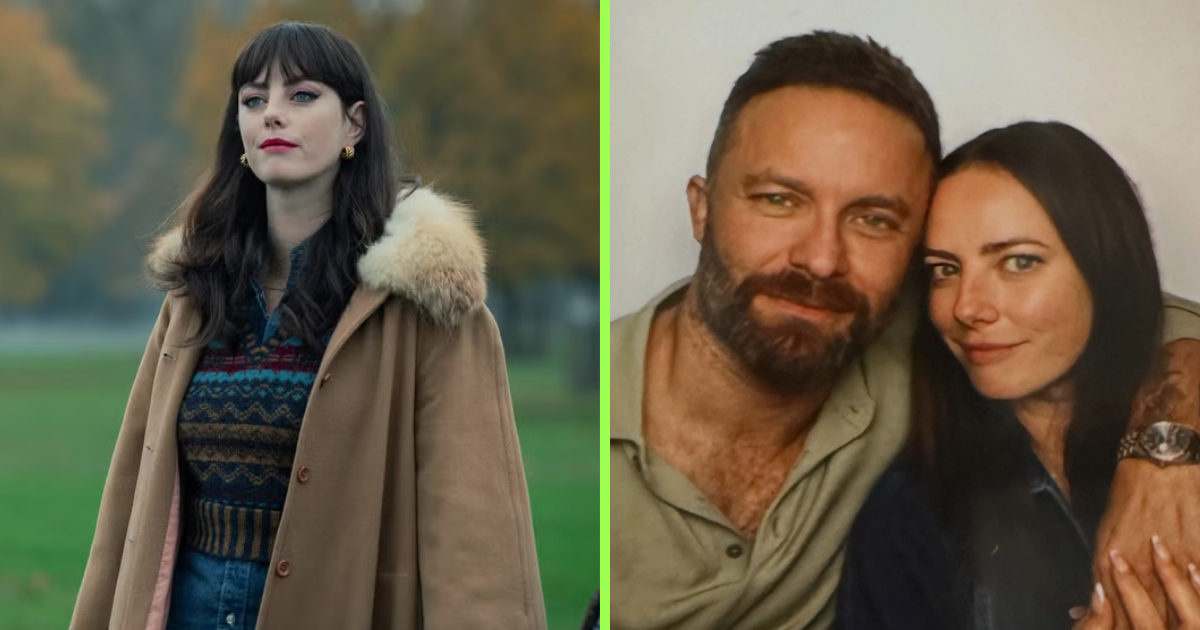
Actress Kaya Scodelario, who delivers a compelling performance as crime boss Susie Glass in “The Gentlemen,” is reportedly in a new romantic relationship two years after her separation from husband Benjamin Walker. This personal development occurs concurrently with the series’ sophomore season debut and its audience reception. Scodelario is said to be dating British film and television director and writer Eran Creevy, known for his work on “Welcome to the Punch,” “Collide,” and “The Sweeney.” Their reported connection is believed to have formed during their collaboration on “The Gentlemen,” where Creevy directed episodes of the Netflix series.
Sources indicate the relationship between Scodelario and Creevy is in its nascent stages, reportedly blossoming over the summer. While direct causal links are speculative, a star’s personal narratives often add a layer of public discourse around a project. The ongoing on-screen dynamic between Scodelario’s character, Susie Glass, and Theo James’s Eddie Horniman, remains a point of audience speculation regarding their potential romantic future within the narrative. This fictional tension often contrasts with and is sometimes amplified by, real-life romantic developments concerning the lead actors.
The Art of Storytelling: Stylistic Evolution and Expanding Narrative Scope
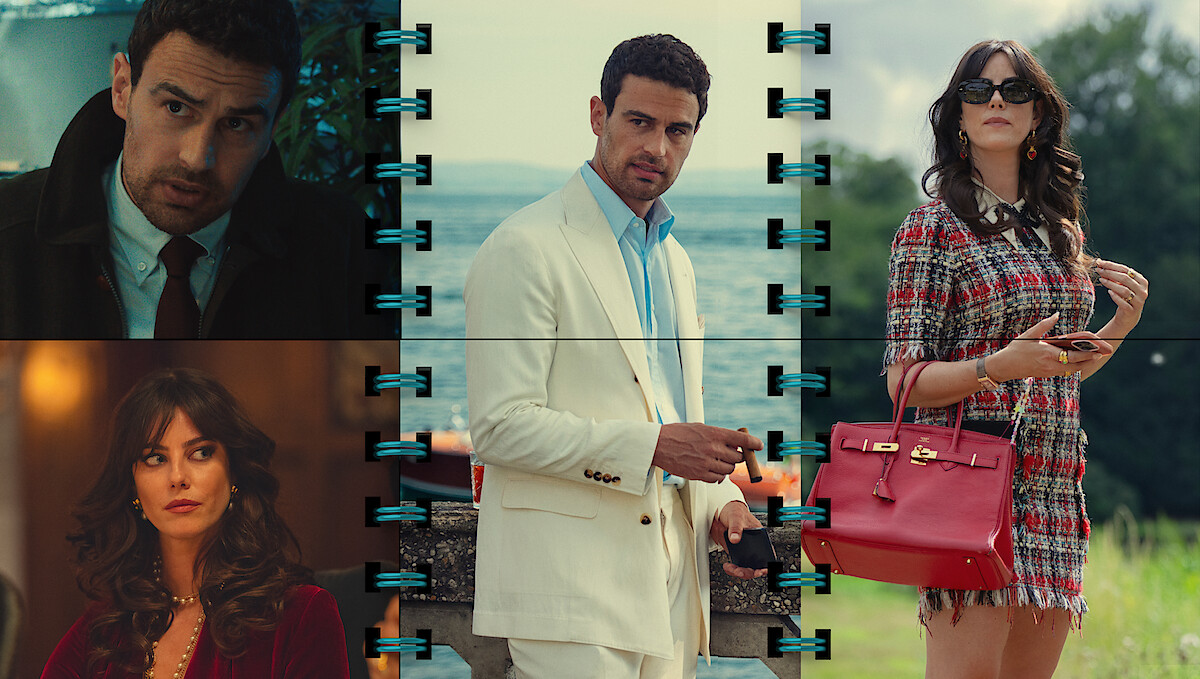
Season 2 of “The Gentlemen” propels Eddie Horniman and Susie Glass into an expanded criminal enterprise, moving the narrative across diverse locales including English estates, London power centers, and the Italian coast. This geographical expansion is intrinsically linked to an evolution in the series’ aesthetic and thematic elements, aiming to mature the visual language alongside its characters’ arcs.
The visual presentation of Season 2 accentuates bespoke tailoring, vintage pieces, statement jewelry, and versatile classic vehicles, reflecting a heightened focus on style as a narrative tool. Costume designer Loulou Bontemps described the first season as a “baby version,” highlighting how Season 2 allowed for a more developed sartorial expression aligned with the characters’ ascent and increased stakes. Theo James further underscored the integral role of style, noting director Guy Ritchie’s visual acuity and their collaborative discussions on minute wardrobe details. This emphasis on visual storytelling and meticulous costume design profoundly contributes to the show’s distinctive brand identity, making fashion an intrinsic part of the characters’ strategic maneuvers and the show’s sophisticated criminal underworld.
Stakeholder Impact and Future Trajectories for the Franchise
The observed audience decline for “The Gentlemen” Season 2, despite the subsequent renewal, carries significant implications for various stakeholders. For talent like Kaya Scodelario and Theo James, the performance of a series can influence future career opportunities and negotiating leverage. While personal life developments offer a separate narrative, professional success is often tied to public reception and viewership metrics.
Production companies and creative teams face increased scrutiny when viewership declines, potentially impacting future project funding and creative freedom. The success of “The Gentlemen” Season 1 established a high benchmark, making the subsequent drop a point of strategic re-evaluation for all involved. Netflix, as the platform, must continually assess the return on investment for its content slate. The decision to renew indicates a strategic calculation that likely weighs viewership against production costs, global appeal, brand value, and the franchise’s overall contribution to its content library.
Ultimately, the trajectory of “The Gentlemen” will serve as a key indicator of Netflix’s capacity to adapt to evolving viewer preferences, sustain audience engagement with its original programming, and manage the delicate balance between immediate viewership performance and long-term franchise development in the highly competitive streaming landscape. Future seasons will require strategic adjustments to narrative pacing, character development, and promotional efforts to re-engage audiences and solidify its position.