
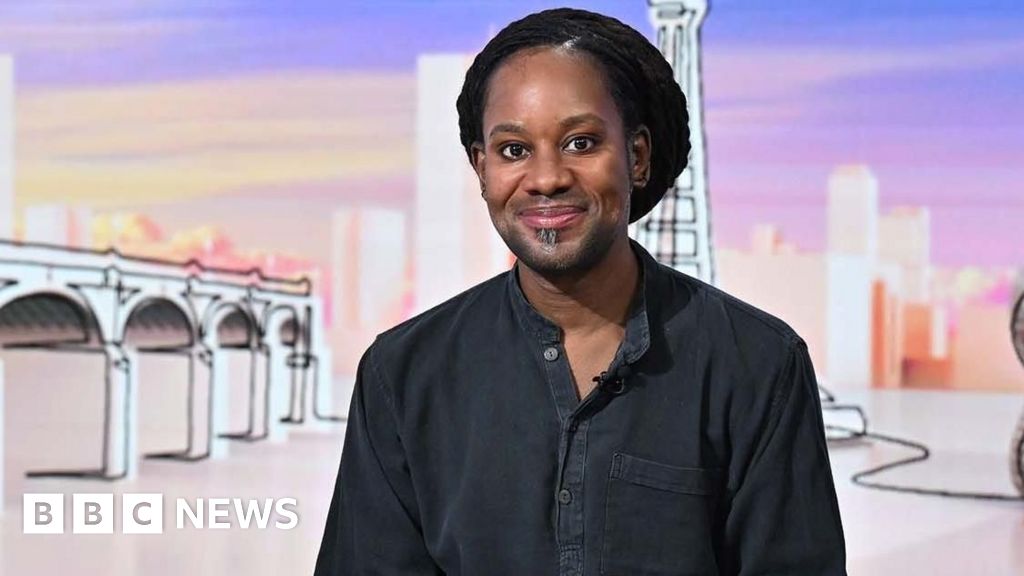
Academic Integrity and Media Scrutiny Intensify Following Professor Arday’s Death
The recent death of Cambridge Professor Jason Arday, who was facing plagiarism allegations, has intensified scrutiny on the complex relationship between academic integrity, institutional accountability, and public discourse. Arday, who was appointed Cambridge University’s youngest Black professor in 2023, maintained his denial of the claims in the period leading up to his passing.
Cambridge University’s chancellor, Lord Chris Smith, has publicly condemned the media coverage as a “racist feeding frenzy,” positing that academic integrity can be upheld without resorting to what he views as excessive public pressure. This highlights institutional concerns about the impact of allegations on individuals, particularly those from underrepresented backgrounds.
The circumstances surrounding Arday’s death have prompted significant public reaction, including a vigil in Trafalgar Square organized by Stand Up To Racism. Prominent figures, such as Labour MP Diane Abbott, have characterized the media coverage as a “vicious and bitter media campaign,” suggesting the scrutiny intensified significantly after his professorial appointment, hinting at racial undertones.
Abbott’s assertion that the “campaign against all of us” began with Arday’s 2023 appointment points to systemic concerns within academia and the media’s role in amplifying them. This perspective frames the controversy beyond an isolated misconduct case, presenting it as indicative of broader societal and institutional challenges.
The controversy has also spurred a substantial public response, with a Good Law Project petition exceeding 90,000 signatures, including support from public figures like Jameela Jamil. The petition calls for an inquiry into the media’s handling of the allegations, reflecting public demand for accountability and a review of journalistic practices concerning sensitive academic and personal matters.
The petition specifically highlights that Arday’s death occurred after “two weeks of relentless” media attention, underscoring the perceived intensity and potential impact of such coverage on an individual’s well-being. This proximity raises critical questions about the ethical boundaries of reporting on academic disputes.
While substantiated plagiarism allegations represent a serious breach of academic principles with significant career repercussions, the rapid and public nature of the claims against Arday has fueled debate on due process and appropriate forums for resolution.
Cambridge University’s institutional response, beyond the chancellor’s public statement, will be pivotal in shaping future protocols for addressing academic misconduct. The university’s established procedures for plagiarism investigations and faculty support are now under intense examination, with stakeholders seeking clarity on crisis management.
The involvement of advocacy groups like Stand Up To Racism and the Good Law Project frames the Arday case through lenses of social justice and media accountability. Their participation suggests a belief that racial and public perception factors influenced Arday’s treatment, elevating the case beyond a standard disciplinary matter.
Diane Abbott’s comments on the timing of attacks post-2023 appointment and her framing of a “campaign against all of us” suggest a narrative of targeted opposition to Black academics in prominent roles. Such interpretations could impact diversity initiatives and public discourse on meritocracy.
The Good Law Project’s petition for an inquiry signals a formal avenue for investigating potential misconduct in information dissemination and public discourse surrounding the allegations, underscoring a desire for greater accountability in media reporting on sensitive academic matters.
The petition’s significant traction, with over 90,000 signatures, demonstrates broad public concern and engagement, exerting pressure on institutions and media to address criticisms and conduct transparent reviews.
The phrase “vicious and bitter media campaign” used by Diane Abbott indicates a perception of malicious intent and disproportionate coverage, suggesting a departure from objective reporting towards sensationalism or biased framing, thereby exacerbating the situation.
The broader implication for academic institutions is the necessity for robust policies and communication strategies to manage high-profile allegations, ensuring fair procedures, faculty well-being, and effective public relations to maintain institutional credibility.
This case also highlights the challenges faced by Black academics and other underrepresented groups in higher education. The perception of heightened scrutiny due to race, as suggested by Abbott, raises concerns about ongoing systemic racism and its impact on career progression and public perception.
The debate over academic plagiarism is intrinsically linked to the credibility of higher education. Allegations against prominent figures can erode public trust, necessitating careful and transparent handling to preserve institutional validity.
The public vigil organized by Stand Up To Racism frames this issue as a civil rights concern, connecting Arday’s treatment to broader struggles against racial discrimination and suggesting a pattern of prejudice within societal institutions.
The future handling of academic integrity investigations and media reporting may evolve, with institutions potentially adopting more cautious public statements and media outlets facing pressure for stricter ethical guidelines in reporting on sensitive academic matters.
The controversy surrounding Jason Arday’s death serves as a critical juncture for examining the responsibilities of universities, media, and the public in navigating academic misconduct allegations. It underscores the need for a balanced approach that upholds standards while safeguarding dignity and ensuring fairness.
Cambridge University’s institutional governance, including faculty appointment, evaluation, and misconduct protocols, is under intense scrutiny. The chancellor’s remarks suggest internal acknowledgment of potential systemic issues, potentially leading to policy reforms.
The competitive academic landscape can amplify scrutiny; high-profile appointments are closely watched, and plagiarism allegations can be weaponized, especially when compounded by societal biases.
The capital implications for academic institutions are tied to reputation and trust. A perceived failure in integrity or fairness can diminish student applications, research funding, and global standing.
The performance leverage lies with the institution to demonstrate commitment to rigorous standards and equitable treatment. Mishandled crises can significantly damage an institution’s brand and its ability to attract talent and resources.
Cambridge University’s strategic decisions in the aftermath, including internal reviews and public statements, will signal its priorities and approach to future challenges, balancing rigor with fairness and faculty support.
Stakeholder implications are broad, affecting students, faculty, alumni, and the public. Perceived lapses in integrity or fairness can erode trust and engagement across these groups.
Cambridge University’s reputational exposure is significant if the handling of the Arday case is deemed inadequate, biased, or overly reactive. Conversely, a transparent process could reinforce its values and standing.
Long-term consequences for academia could include re-evaluated plagiarism investigation and reporting practices, emphasizing due process and protection from public condemnation, potentially leading to revised policies and industry best practices.
The role of media in academic discourse is critical, with current events highlighting the power of public narratives. The debate over “racist feeding frenzies” and “vicious media campaigns” necessitates greater media literacy and ethical reporting standards in journalism concerning academic matters, especially those involving protected characteristics.
Capital movement in academia is driven by reputation. A tarnished reputation can impact endowments, research grants, and international student attraction, all vital for financial sustainability.
The strategic imperative for universities like Cambridge is to balance academic honesty standards with fostering an inclusive environment, ensuring individuals are not subjected to undue prejudice or public condemnation before due process.
The performance leverage for academic leaders involves navigating complex situations with integrity, transparency, and commitment to fairness and rigor, managing public perception while adhering to institutional values.
Structural tensions revealed include potential bias in academic systems, the influence of public opinion and media narratives on disciplinary processes, and challenges in ensuring equitable treatment, particularly for minority academics.
Institutional bottlenecks can arise from slow disciplinary procedures, inadequate faculty support during public pressure, and unclear communication during crises, exacerbating reputational damage.
Market pressures compel universities to compete globally for students, faculty, and funding. A strong reputation for integrity and fairness is a key competitive advantage, vulnerable to poorly managed controversies.
Competitive implications extend to other institutions, which will observe Cambridge’s response and may adapt their policies to mitigate reputational risks or capitalize on rivals’ perceived weaknesses.
Media incentives for sensational stories can conflict with responsible reporting, especially when allegations have profound personal consequences. The economic model favoring engagement can amplify controversial narratives.
The capital exposure for Cambridge is not just financial but reputational; trust, a form of social capital, is difficult to rebuild once lost. The chancellor’s strong language indicates awareness of this significant exposure.
The university’s performance leverage lies in demonstrating decisive and fair handling of serious allegations while protecting faculty from a “racist feeding frenzy”—a significant dual mandate.
Strategic decisions on academic integrity policies and public communication protocols at Cambridge and other universities will be shaped by lessons learned from this complex situation.
Downstream effects on academia could include greater emphasis on plagiarism prevention, enhanced support for academics facing scrutiny, and a more nuanced media engagement approach in misconduct cases.
The institutional response to the Good Law Project’s petition for an inquiry will indicate how seriously concerns about media coverage and potential bias are regarded by academic and regulatory bodies.
Broader societal implications involve ongoing dialogue about race in academia and the media’s role in shaping perceptions of merit and achievement, particularly for individuals from underrepresented groups.
The legacy of Professor Jason Arday’s tenure and the circumstances of his death will likely continue to inform discussions on academic ethics, institutional accountability, and the impact of public discourse on individual lives.

Photo by ginjaninja00 on Pixabay.