Systemic Throughput Deficits in North America’s Largest Rail Network
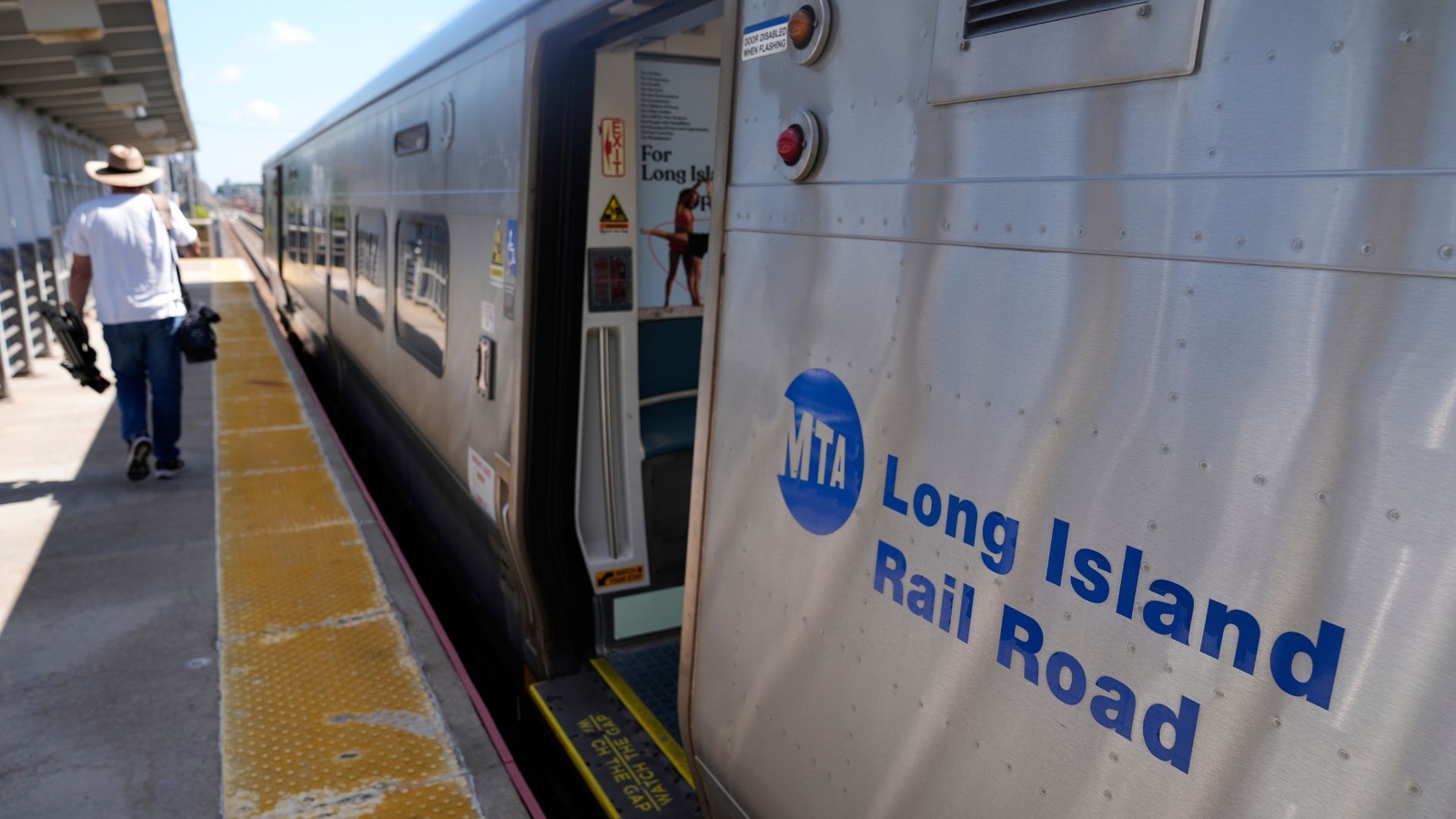
The operational cessation of the Long Island Rail Road (LIRR) represents a critical failure in the primary transit artery bridging the suburban workforce with the New York City economic epicenter. As North America’s premier commuter rail system, the LIRR provides a high-capacity throughput mechanism that secondary road and rail infrastructures cannot scale to replicate. This disruption necessitates a fundamental reorganization of regional mobility, transferring immense logistical weight onto a fragile architecture of shuttle conduits and subway nodes.
The immediate fallout is the loss of a predictable, high-volume logistical corridor. Without the rail system’s exclusive right-of-way, regional transportation has devolved into a fragmented model of bus-to-subway transfers. This transition introduces acute operational friction; the passenger capacity of a single rail car significantly outweighs the collective throughput of the shuttle fleets currently deployed, resulting in inevitable transit bottlenecks.
The Metropolitan Transportation Authority (MTA) must now manage this transition while safeguarding the integrity of the NYC Subway system. The forced redirection of LIRR commuters into the Queens subway network creates a secondary failure point, as these lines were not engineered to absorb total peak-hour rail volumes. Strategic resource allocation to the 7 and F lines reflects an attempt to stabilize critical transfer points, yet systemic strain remains a primary risk factor.
Labor Dynamics and the Dissolution of Institutional Stability
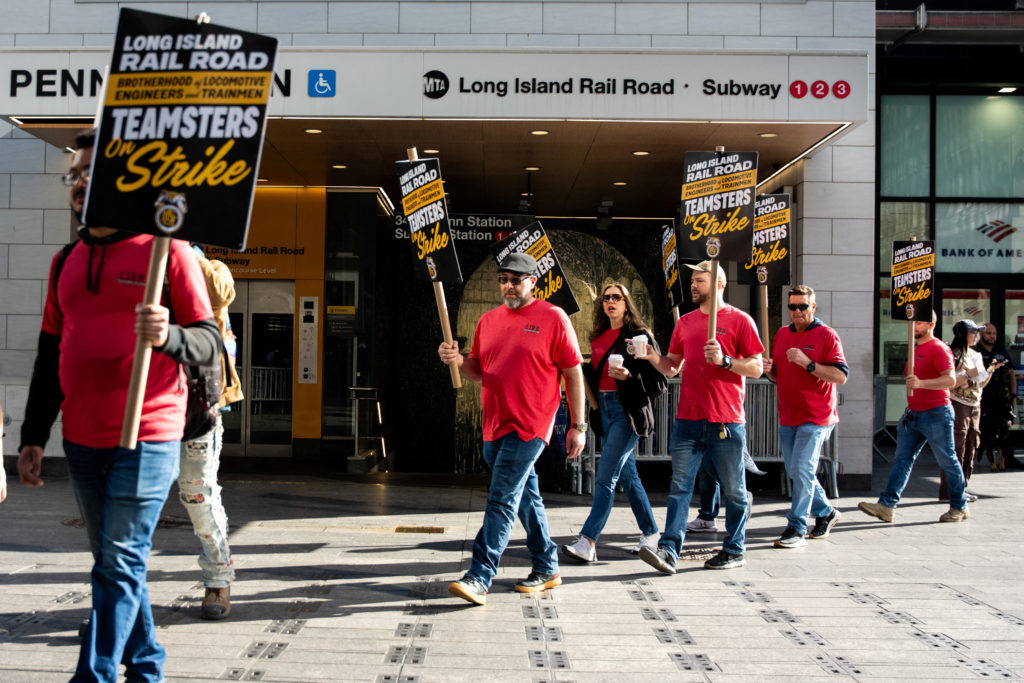
The current strike terminates a thirty-year era of labor peace, signaling a collapse of the institutional protocols that traditionally governed MTA labor-management relations. This departure suggests a recalibration of bargaining leverage within the representing unions. The move to exit negotiations implies that prior consensus-based frameworks are insufficient to address modern labor demands and inflationary pressures.
Governor Kathy Hochul’s public appeals underscore the elevated political and economic stakes of prolonged infrastructure downtime. While administrative rhetoric attempts to lower the temperature of the standoff, the underlying deadlock remains rigid. This standoff threatens the operational continuity of the state’s most vital transit asset and may redefine fiscal precedents for future MTA labor contracts.
The Logistical Friction of Multi-Modal Contingencies
The MTA contingency plan utilizes shuttle hubs in Ronkonkoma, Huntington, Bay Shore, Hicksville, and Mineola to funnel commuters toward the Jamaica 179th Street subway station. While this multi-modal approach is the only viable alternative, it introduces significant delays. The shift from high-speed rail to a bus-subway hybrid highlights a lack of redundant high-capacity infrastructure for Long Island residents.
Repurposing Citi Field as a temporary park-and-ride facility for the 7 train demonstrates the necessity of crisis-driven infrastructure adaptation. This strategy attempts to mitigate private vehicle congestion in the city core but places immense pressure on the 7 train’s rolling stock and personnel, testing the limits of subway surge capacity.
Macroeconomic Pressure Valves: The Remote Work Mandate
Governor Hochul’s directive for remote work serves as a vital macroeconomic pressure valve, attempting to decouple NYC’s economic output from its physical transit dependency. This mandate acknowledges that shuttle systems are inherently insufficient for full-volume replacement. For industries requiring physical presence—healthcare, hospitality, and construction—the strike remains a direct threat to operational capacity, creating an asymmetric economic burden on the essential workforce.