Technical Thresholds and Narcotic Compromise
The fatalities within the Vaavu Atoll cave system underscore the lethal margins of technical diving at the 50-to-60-meter threshold. At these depths, the transition from recreational air protocols to complex trimix requirements introduces significant physiological variables. The loss of five Italian divers—including high-level researchers from the University of Genoa—suggests a catastrophic failure that bypassed multiple safety redundancies. In high-pressure speleological environments, environmental stressors such as silt-out conditions or hypercapnia can rapidly degrade cognitive function, rendering even experienced practitioners unable to execute emergency protocols.
Institutional Attrition and Scientific Continuity
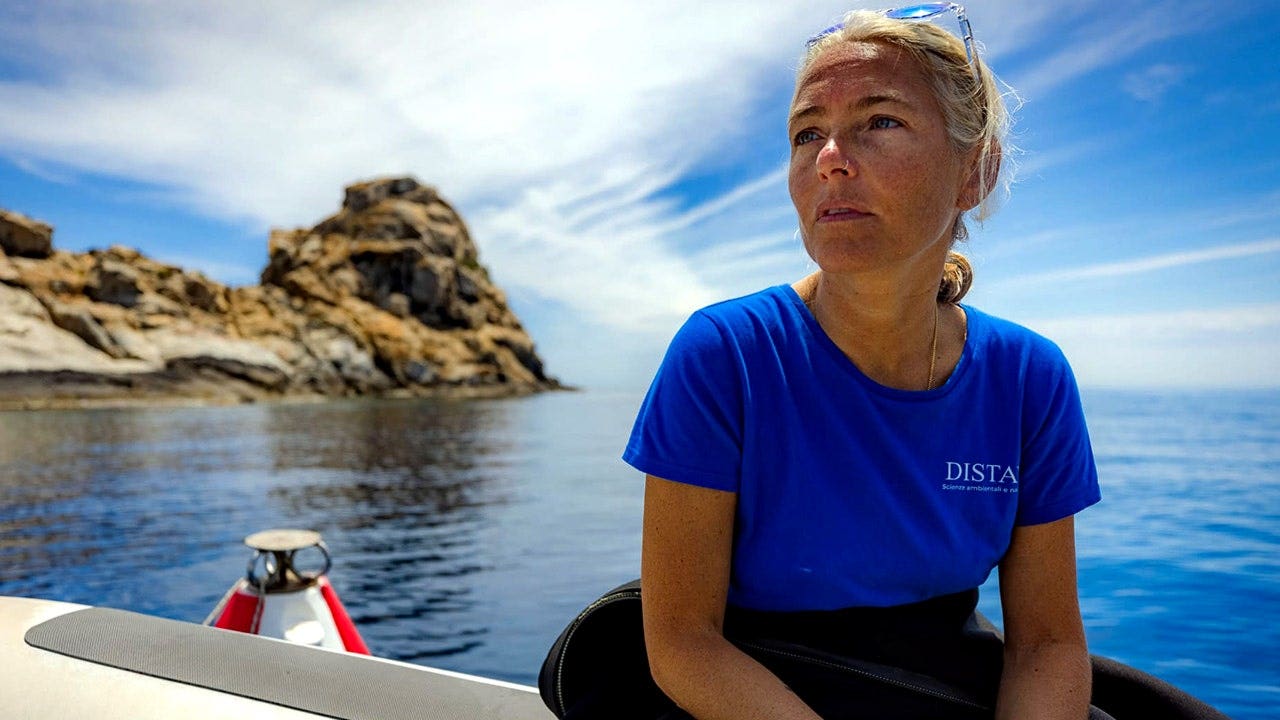
The death of Monica Montefalcone, an associate professor of ecology, represents more than a personal tragedy; it is a significant erosion of human capital within the European marine research community. The simultaneous loss of researchers Federico Gualtieri and Muriel Oddenino creates a vacuum in specialized ecological studies focusing on the Maldives’ unique underwater topographies. This event highlights the inherent ‘asymmetric risk’ faced by field scientists who must engage in extreme environments to secure primary data, often operating at the limits of conventional safety oversight.
Physiological Hazards in Military Recovery Operations
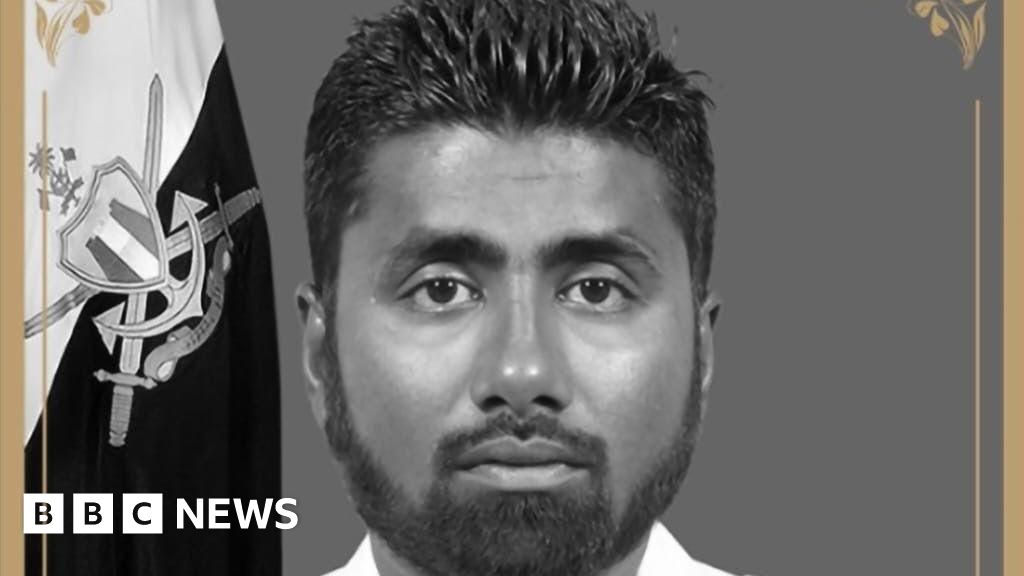
The subsequent death of Staff Sgt Mohamed Mahdhee during the Maldives National Defence Force (MNDF) recovery effort illustrates the extreme hazards of high-depth salvage. The collapse of an elite diver post-surfacing points toward severe decompression sickness or arterial gas embolism, likely exacerbated by the physical and psychological toll of navigating confined spaces at 50 meters. The deployment of eight divers simultaneously indicates the scale of the state’s urgency, yet also reveals a structural vulnerability: the reliance on military personnel for civilian recovery in specialized technical environments where the margin for error is non-existent.
Economic and Reputational Fragility
As the most severe diving accident in the nation’s history, the Vaavu Atoll incident poses a direct challenge to the Maldives’ high-end tourism model. The presence of President Mohamed Muizzu during search operations signals the government’s attempt to manage the geopolitical and economic fallout. The Maldives relies on its status as a premier sub-aquatic destination; any perceived inadequacy in deep-water rescue infrastructure or regulatory oversight could deter the lucrative technical diving demographic essential for GDP diversification.
Forensic Imperatives and Narrative Conflict
Conflict between official reports and the testimony of victims’ families—specifically regarding the competence of instructor Gianluca Benedetti—highlights the need for a transparent forensic audit. The recovery of equipment and dive computers will be essential in reconstructing the final minutes of the dive to determine if the fatalities were the result of equipment malfunction, environmental anomalies, or a cascading human error. Until definitive data is released, speculation regarding the group’s final actions serves only to complicate the diplomatic and legal inquiries currently underway between Male and Rome.