Kalamazoo Storms Expose Critical Home Infrastructure Vulnerabilities
Recent severe weather events in Kalamazoo, Michigan, have starkly revealed critical vulnerabilities within residential infrastructure. The forceful winds uprooted numerous mature trees, which subsequently caused catastrophic damage to homes. These incidents underscore a systemic exposure point for homeowners, particularly in areas characterized by substantial arboreal presence and potentially aging housing stock.
The direct impact on residents, including widespread displacement and instances of hospitalization, indicates a significant failure in the resilience of typical residential construction against extreme meteorological phenomena. The intensity of the winds, capable of toppling large trees, also suggests that current building codes may not sufficiently account for the cascading effects of such natural events on property integrity and occupant safety.
Structural Damage and Immediate Consequences
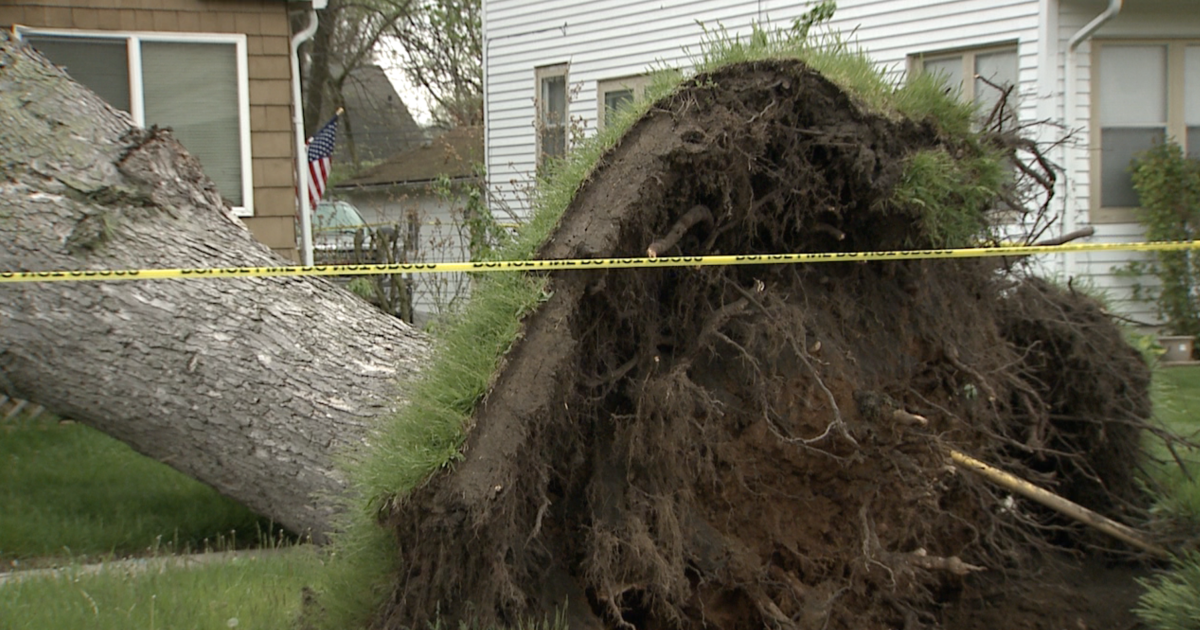
On Lay Boulevard, a massive tree penetrated a home’s roof, inflicting severe structural damage and raising immediate concerns about potential gas line compromise. Homeowner Jarrod Bailey described the entire house shaking, narrowly escaping serious injury from falling debris. This incident exemplifies the immediate, life-threatening consequences of tree failures on dwelling safety and habitability.
The resulting displacement of the Bailey family, along with the urgent need for temporary accommodation for both their family and pets, highlights the profound disruption these events precipitate. Bailey’s assertion that his home was unsafe for his family and animals underscores the immediate loss of security and shelter due to structural breach.
A separate incident near Hoffman Court and Locust Street saw a tree collapse onto another residence, trapping an individual on their porch and necessitating an emergency rescue. Responders faced complex challenges including downed power lines and a protective family dog, which complicated the extrication process and underscored the multi-faceted risks inherent in such crisis situations.
Emergency Response Dynamics and Operational Challenges
Kalamazoo Public Safety Chief David Boysen detailed the operational complexities faced by emergency services during the severe weather response. Extracting an individual trapped under debris, combined with the immediate hazards posed by downed power lines, demonstrated the strain on public safety resources and the critical importance of robust, coordinated response protocols.
Fire Marshal Scott Brooks noted the unpredictable elements first responders must navigate, such as a protective family pet. These situations demand specialized training and equipment, significantly impacting the efficiency and safety of rescue operations and potentially prolonging victim exposure to hazardous conditions.
Homeowner Exposure and Proactive Risk Mitigation
Jarrod Bailey’s experience, despite owning his home since 2019, illustrates that even relatively recent homeownership does not eliminate vulnerability to such natural disasters. The risk is demonstrably tied not only to property age but critically to its environmental context, specifically the proximity and condition of large trees.
The search for his missing cat, Luna, further emphasizes the personal toll these events exact, extending beyond property damage to the welfare of beloved pets. This often-overlooked aspect of disaster impact significantly influences immediate relocation decisions and long-term recovery efforts.
Bailey’s immediate priority in securing a safe environment for his family and pets highlights the urgent need for accessible and effective disaster relief and temporary housing solutions. Inability to remain in a compromised home necessitates rapid access to resources supporting immediate post-disaster needs.
Broader Implications for Urban Planning and Infrastructure Resilience
The Kalamazoo events serve as a critical case study for broader challenges in urban forestry management and infrastructure resilience. The strategic placement and maintenance of mature trees, while providing ecological benefits, also present significant, often underestimated, risks requiring proactive management.
This situation necessitates a re-evaluation of urban planning policies to better balance the aesthetic and ecological advantages of substantial trees with the imperative of public safety and property protection. Investment in regular tree health assessments, strategic removal of hazardous specimens, and reinforcement of building envelopes is crucial for mitigating future risks.
The financial repercussions for homeowners and insurers are substantial. Repair costs for homes severely damaged by falling trees, coupled with potential insurance premium increases, impose a direct economic burden. This mandates a review of insurance policies for adequate coverage and exploration of new risk-pooling mechanisms.
Furthermore, these incidents underscore the interconnectedness of public safety and private property. The strain on emergency services can divert critical resources, emphasizing the necessity of community-level preparedness and individual responsibility in mitigating avoidable risks.
Long-term recovery for affected families involves not only physical rebuilding but also psychological resilience. The trauma of witnessing such destruction can have lasting effects, highlighting the importance of comprehensive support services addressing both material and emotional needs post-disaster.
Ultimately, the Kalamazoo tree-fall incidents serve as a stark reminder of the dynamic interplay between natural forces and human habitation. They compel a critical examination of community preparedness, response, and recovery strategies, advocating for more robust infrastructure and proactive risk management to safeguard residents and their homes.