Champions League Semi-Final: A Microcosm of Strategic Evolution
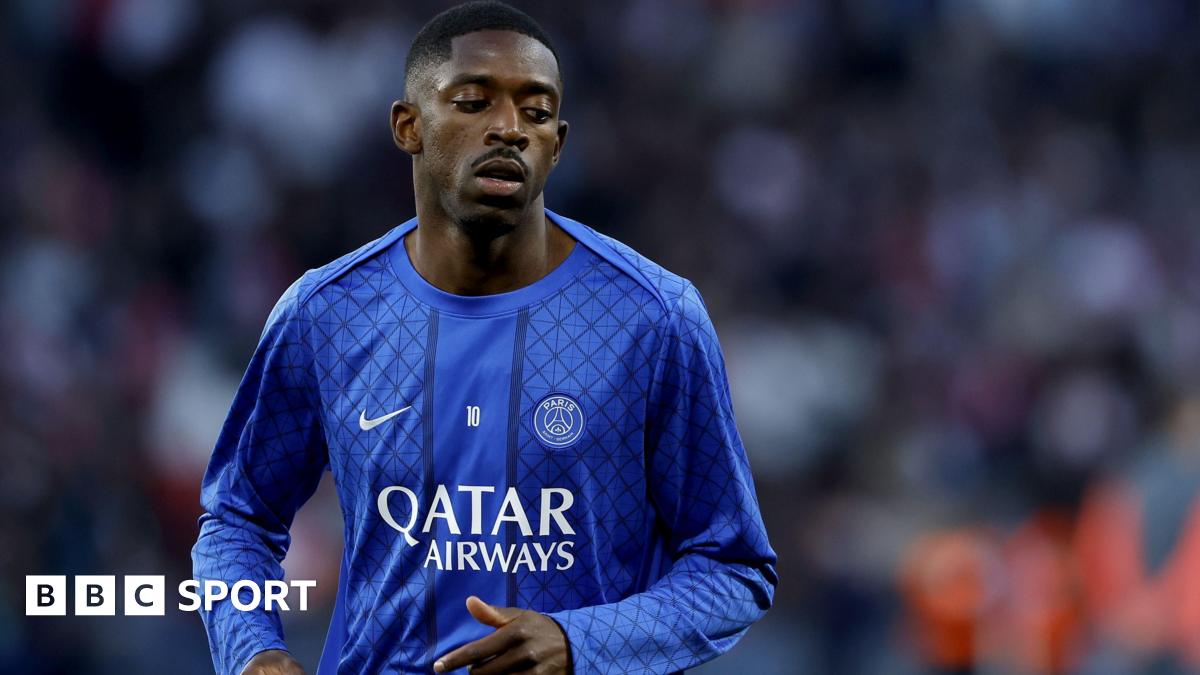
The UEFA Champions League semi-final clash between Paris Saint-Germain and Bayern Munich transcends a mere fixture, serving as a critical lens into the strategic evolution of elite football. This high-stakes encounter, set against Europe’s premier club competition, illuminates the complex interplay of competitive dynamics, sophisticated operational methodologies, and the profound financial implications driving top-tier club performance. The palpable atmosphere and immediate operational readiness of the squads underscore the immense institutional and commercial stakes, reflecting extensive strategic planning and significant capital investment in player development and coaching infrastructure.
Competitive Dynamics and Institutional Rivalry: Strategic Imperatives
The historical context of this intense rivalry, with fifteen UEFA Champions League encounters—nine in the last nine campaigns, a frequency second only to Real Madrid vs. Manchester City—underscores a sustained competitive narrative. This directly shapes club branding and strategic resource allocation. Bayern Munich’s dominant record, including a five-game winning streak against Paris Saint-Germain in major European competitions (their longest such run), highlights a consistent tactical or psychological advantage, including a 2-1 win earlier this season, establishing a significant competitive imbalance.
Paris Saint-Germain’s 60% loss rate against Bayern in the Champions League, their highest against any opponent, signals a persistent strategic challenge. This performance metric exerts considerable pressure on management and coaching staff to innovate, directly influencing strategic planning for player acquisitions, tactical adjustments, and long-term competitive positioning. The institutional prestige of the Champions League amplifies these dynamics: its semi-final stage is a critical juncture for forging club legacies and distributing significant financial rewards.
For PSG, the monumental strategic objective of defending the Champions League—a feat only achieved by Real Madrid’s three-peat—carries vast reputational and commercial implications. Conversely, Bayern Munich’s pursuit of a rare treble (Bundesliga secured, German Cup final reached) illustrates a comprehensive institutional strategy for domestic and European dominance. Advancing against PSG would further cement Bayern’s global brand appeal and enhance its financial leverage through increased prize money, sponsorship attractiveness, and player market value.
Tactical Innovation: Player Versatility as the Strategic Imperative
Beyond immediate competitive stakes, this fixture illuminates a profound tactical shift in elite football: the ascendance of player versatility as a critical strategic asset. Managers like Luis Enrique, whose Paris Saint-Germain side embodies fluidity, actively seek multi-positional players, fundamentally altering traditional squad construction and operational deployment. Luis Enrique’s tactical adjustments—such as deploying Nuno Mendes as a left winger or Lucas Beraldo in midfield—are not mere experiments but calculated strategic maneuvers designed to disrupt opposing defensive structures and create new attacking vectors. PSG’s 4-0 victory where an opponent struggled to cope with their positional fluidity exemplifies this advantage, demonstrating how dynamic positional changes exploit weaknesses rather than adhering to rigid formations.
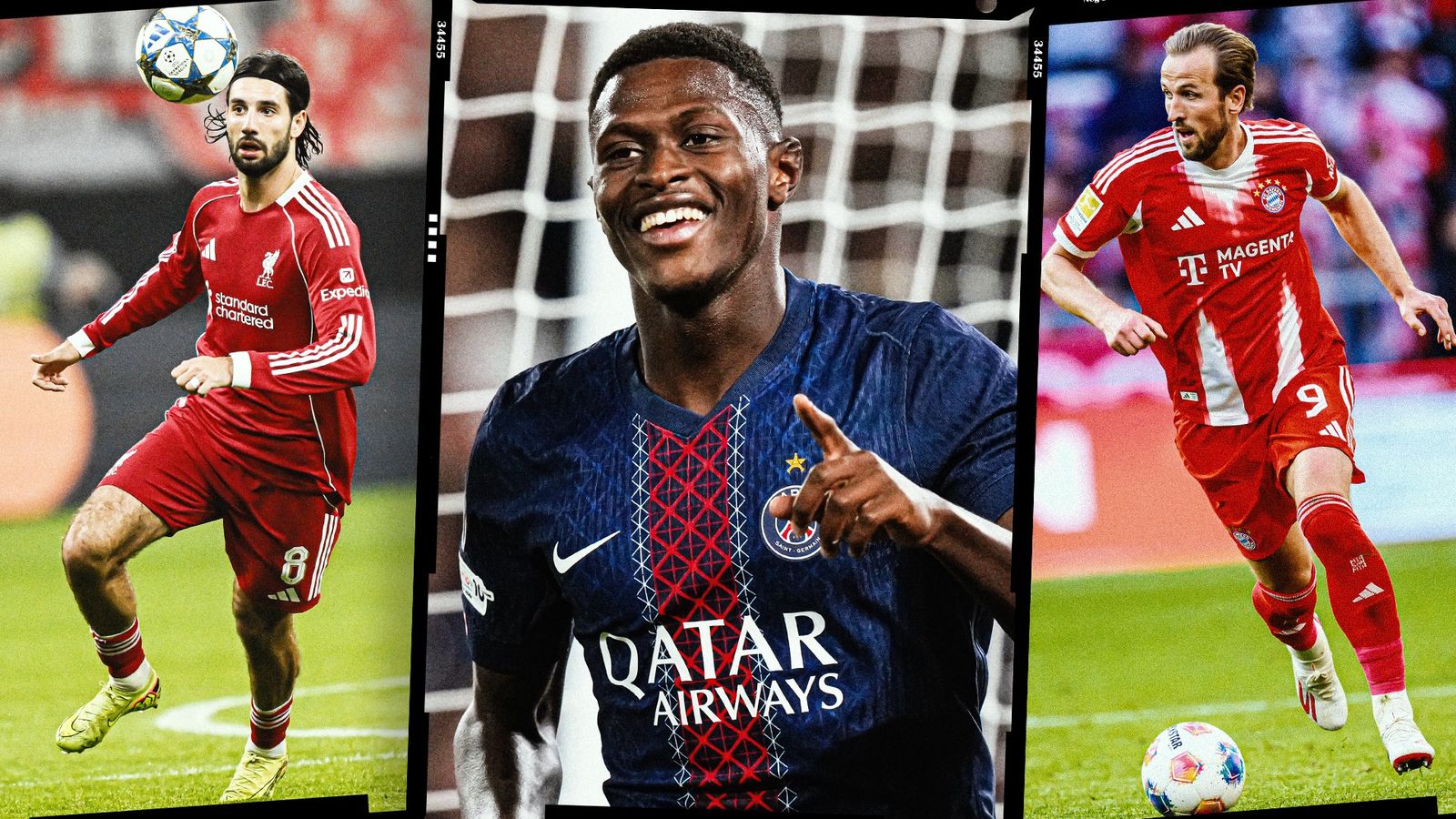
This emphasis has far-reaching operational implications, impacting player scouting, youth academy development, and training methodologies. Clubs increasingly prioritize technically and tactically astute players like Nuno Mendes, Dominik Szoboszlai, and Harry Kane, who can adapt to varied roles, thereby increasing overall strategic flexibility and resilience against diverse opposition tactics. As Inter legend Javier Zanetti asserts, versatility is “vital.”
The strategic shift necessitates a re-evaluation of player valuation in the transfer market, where multi-functional athletes command a premium for providing diverse tactical options and mitigating squad depth issues from injuries or suspensions. Financial ramifications extend to long-term contract negotiations and player development pathways. This operational pivot also influences coaching staff composition, requiring specialists capable of developing players across different positional requirements and implementing complex, dynamic systems. Ultimately, a club committed to tactical versatility can optimize salary expenditures and maximize on-field performance through strategic flexibility.
Institutional Value & Commercial Leverage: The Champions League Impact
The pursuit of the Champions League trophy, “Ol’ Big Ears,” transcends sporting achievement, acting as a powerful driver of institutional value and commercial success. Its universal allure, as noted by trophy designer Jörg Stadelmann, fuels a multi-billion-dollar industry, directly impacting broadcasting rights, lucrative sponsorship deals, and global merchandise sales. The extensive media coverage of high-stakes matches, including multi-language live broadcasts, reflects the competition’s global appeal and commercial viability. This amplifies participating clubs’ brand value, attracts new fan bases, and generates revenue streams crucial for sustained competitive investment.
Strategic implications extend to long-term institutional planning. Success in the Champions League enhances a club’s capacity to attract top-tier talent, negotiate more favorable sponsorship agreements, and expand its global commercial footprint. Crucially, a reputation for tactical innovation and sustained competitive performance—like that fostered by player versatility—bolsters this market positioning, further enabling capital generation for future operational and strategic endeavors. The semi-final between Paris Saint-Germain and Bayern Munich thus serves as a microcosm of modern elite football’s complex interplay between competitive ambition, strategic innovation, and profound financial incentives, highlighting a structural transformation in how clubs build, train, and deploy squads with cascading effects across the entire football ecosystem.