
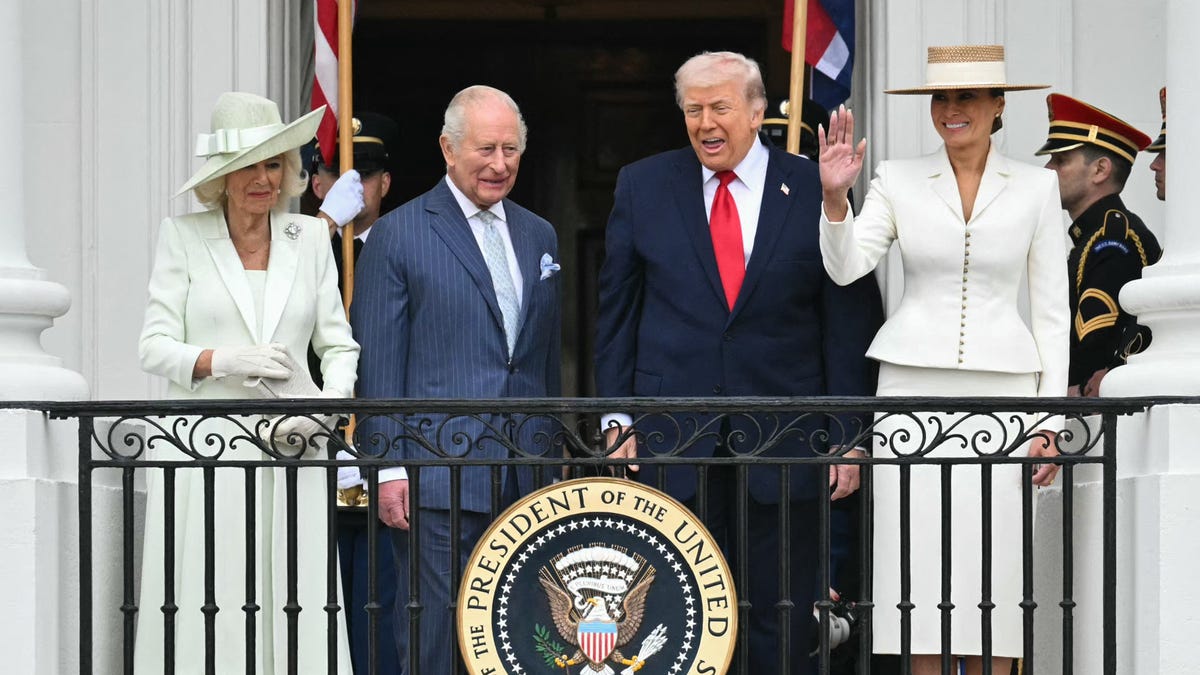
The Strategic Nexus of Monarchy and Transatlantic Diplomacy
The state visit of King Charles III to the United States represents a calculated deployment of soft power, strategically timed to reinforce the U.K.-U.S. alliance at a juncture marked by shifting geopolitical realities. By engaging in a four-day itinerary culminating in a rare address to a joint session of Congress, the British monarchy positions itself as a critical instrument of statecraft, providing institutional continuity beyond transient political cycles.
Occurring on the 250th anniversary of the Declaration of Independence, the visit utilizes shared historical narratives not merely for ceremonial purposes, but as a strategic reminder of foundational democratic values. This symbolism serves to stabilize the relationship and project cohesion, signaling to international actors that the transatlantic partnership remains robust amid emerging global pressures.
The Monarchy as a Non-Partisan Diplomatic Asset
The decision for King Charles III to address Congress—only the second such occasion in history—underscores the gravity with which the British establishment views the current state of bilateral relations. The monarch’s unique non-partisan status allows the U.K. to bypass standard diplomatic channels and mitigate the risks associated with domestic political volatility in both nations.
This form of royal diplomacy provides a mechanism to transcend partisan divides and affirm long-term commitments, reinforcing the institutional memory of the U.S.-U.K. partnership. While the exchange of gifts and symbolic gestures facilitate personal rapport, their primary function in modern statecraft is to lay the groundwork for substantive policy alignment on critical issues.
Geopolitical and Economic Imperatives
The visit’s timing is intrinsically linked to the U.K.’s post-Brexit economic strategy. For the U.K., maintaining a robust, preferential relationship with the United States is essential to securing regulatory alignment, trade deals, and continued access to critical security and intelligence architectures like Five Eyes.
From the U.S. perspective, the U.K. remains a vital partner in defense, intelligence sharing, and financial market integration. Reaffirming the ‘special relationship’ during a period of intense geopolitical competition, particularly from non-state actors and rising economic powers, solidifies a crucial stabilizing force in the international order. The visit reinforces cooperation on shared challenges, from the conflict in Ukraine to strategic competition in the Indo-Pacific, where the AUKUS pact binds the nations in long-term defense planning.
Structural Alignment and Future Resilience
The success of this visit will be measured not by immediate deliverables but by the degree to which it reinforces the structural alignment of the two nations. The reliance on historical symbolism, such as the commemoration of the Declaration of Independence, serves to remind both populations of their shared heritage and governance systems.
By grounding current diplomatic efforts in this historical context, the visit provides a framework for future cooperation that is resilient to contemporary political pressures. The ultimate goal is to ensure the alliance remains agile and effective in addressing shared security threats and economic challenges, thereby maintaining its relevance in an evolving global landscape.

Photo by MACGYVER57 on Pixabay.